
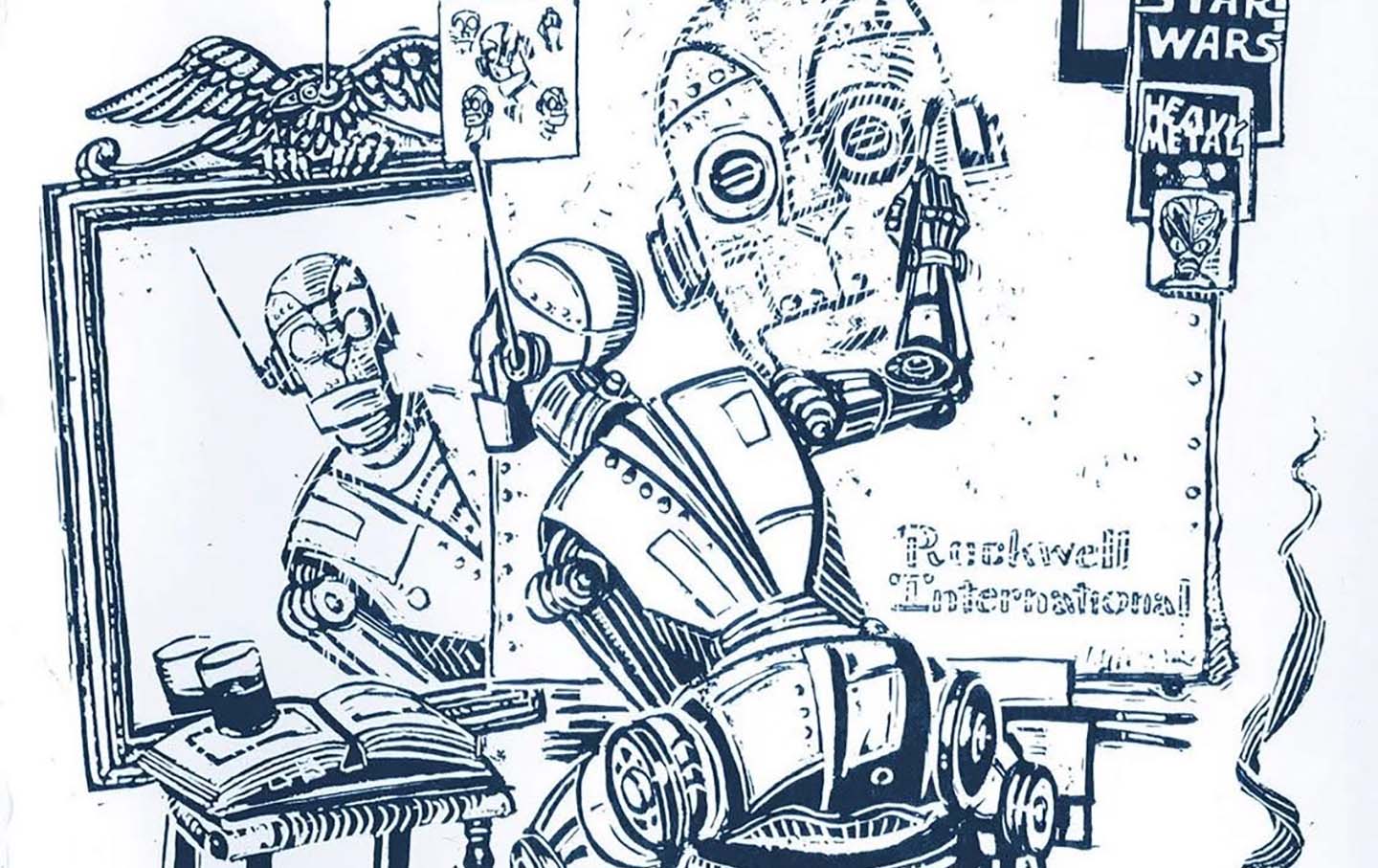
Debate Intensifies Over the Role of Artificial Intelligence in Creative Industries
Artists and critics are increasingly vocal about the impact of artificial intelligence on creative work. Concerns center on the potential for AI-generated content to displace human creators and diminish the value of original art.
The rise of generative artificial intelligence has sparked a significant debate within the creative community regarding the future of human artistry. Critics of the technology, including contributors to publications like The Nation, argue that AI-generated content—often referred to as "slop"—threatens to undermine the livelihoods of professional artists and devalue human creativity. The core of this concern is that AI models, which are trained on vast datasets of existing human work, may lead to a market saturated with automated content that competes directly with human-made art.
While proponents of AI argue that these tools serve as new mediums for expression and efficiency, the opposition maintains that the widespread adoption of such technology poses an existential threat to the creative profession. The discourse often highlights a tension between technological innovation and the protection of intellectual property and human labor. As AI tools become more accessible, the creative industry faces ongoing questions about authorship, the definition of "art," and the ethical implications of using machine learning to replicate human creative processes. Currently, there is no consensus on how to regulate these tools or how to balance the benefits of automation with the need to support human creators.
📡 Media Analysis
How each outlet framed the story — angles, word choices, and what they chose to push or ignore.
Framed AI as a predatory force that steals from and devalues human artists.
"AI slop"
⚡ Where Sources Disagree
- ·Whether AI is a legitimate creative tool or a mechanism for theft.
- ·Whether AI-generated content should be classified as art or as low-quality automated output.
🔍 What Nobody's Reporting
- ·Lack of perspective from AI developers or proponents of the technology.
- ·Absence of legal or policy context regarding current copyright lawsuits.
📰 Sources
0 A-rated source(s) among 1 total. Lowest trust: The Nation (B)