
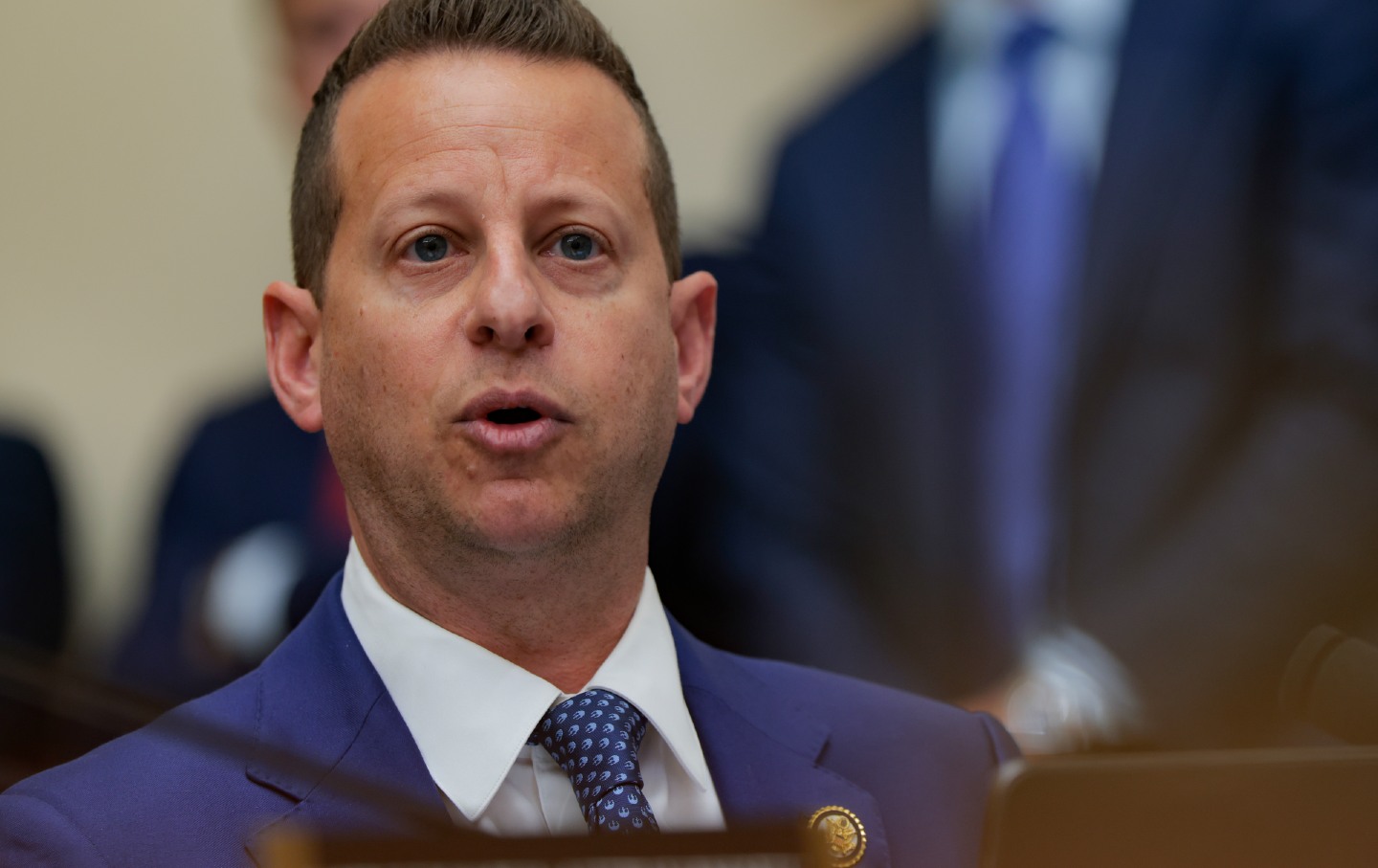
Debate Over Foreign Policy Influence Within the Democratic Party
Political analyst Matthew Duss argues that foreign policy 'hawks' represent a shrinking minority within the Democratic Party. The commentary suggests that party leadership and the broader base are shifting away from interventionist stances.
A recent commentary by Matthew Duss highlights a perceived shift in the ideological composition of the Democratic Party regarding foreign policy. Duss contends that individuals who advocate for aggressive military intervention or a 'hawkish' approach to international relations now constitute a minority faction within the party. The piece suggests that this internal evolution is significant and that party members should acknowledge this change in their political strategy.
While the article asserts that the influence of interventionist voices is waning, it does not provide specific polling data or legislative voting records to quantify the size of this minority compared to the rest of the party. The argument is presented as a call to action for Democrats to align their public stance with what the author describes as the current reality of the party's base. Because this report relies on a single opinion-based source, there is no counter-argument presented regarding the potential persistence of hawkish influence in established party institutions or among moderate lawmakers. The piece focuses on the ideological direction of the party rather than specific foreign policy outcomes or recent international events.
📡 Media Analysis
How each outlet framed the story — angles, word choices, and what they chose to push or ignore.
Argues that the party is moving away from interventionism and urges members to embrace this shift.
"damn time"
⚡ Where Sources Disagree
- ·The extent to which hawkish views are actually a minority versus a dominant force in party leadership.
🔍 What Nobody's Reporting
- ·Lack of empirical evidence or voting data to support the claim that hawkish influence is declining.
- ·Absence of perspectives from moderate or centrist Democrats who may disagree with the author's assessment.
📰 Sources
0 A-rated source(s) among 1 total. Lowest trust: The Nation (B)