
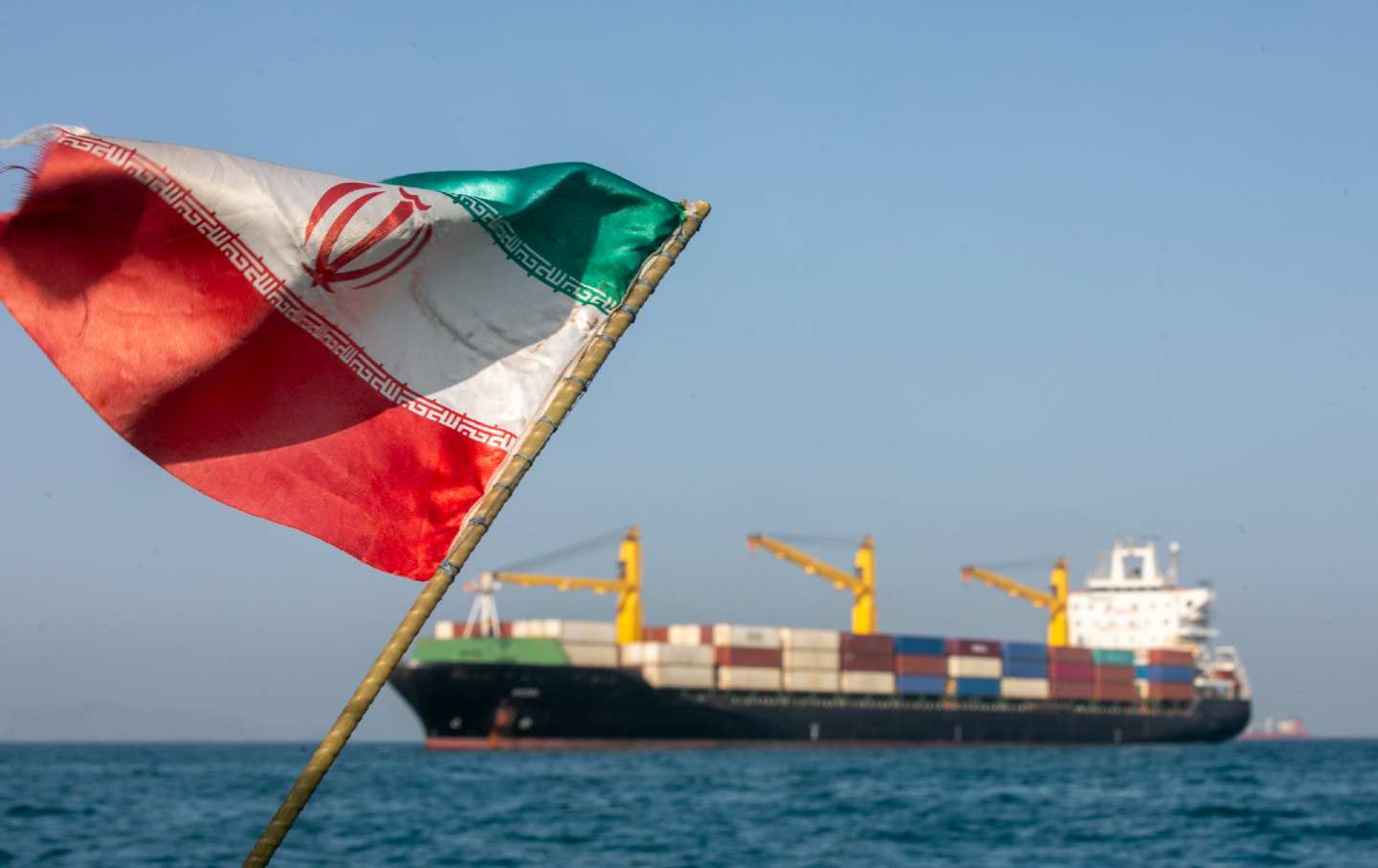
Debate Over U.S. Military Strategy in the Strait of Hormuz
The U.S. military presence in the Strait of Hormuz is facing criticism regarding its long-term sustainability and effectiveness. Analysts are questioning whether current actions can successfully mitigate the economic and political consequences of potential shipping lane closures.
The strategic importance of the Strait of Hormuz remains a focal point of U.S. foreign policy, as the region serves as a critical artery for global energy supplies. Recent discussions have centered on the effectiveness of current American military operations in the area, with some observers arguing that the current approach is fundamentally flawed.
Critics, such as those writing for The Nation, contend that the current U.S. posture is a "mirage" that fails to provide a lasting solution to the geopolitical tensions in the region. The argument presented is that military intervention in the strait is not a sustainable strategy and will ultimately fail to prevent the significant economic and political fallout that would result from a closure of the waterway. This perspective suggests that the GOP-led approach to the region relies on an illusion of control that does not align with the complex realities of international maritime security.
Conversely, proponents of a robust U.S. presence in the Strait of Hormuz generally emphasize the necessity of maintaining freedom of navigation to protect global markets. While the provided source focuses heavily on the limitations of current policy, it does not detail the specific counter-arguments or the strategic objectives cited by military planners or administration officials. The core of the disagreement lies in whether a show of force acts as a deterrent or merely escalates tensions without addressing the underlying economic vulnerabilities of the global supply chain.
📡 Media Analysis
How each outlet framed the story — angles, word choices, and what they chose to push or ignore.
Framed the U.S. military strategy as a deceptive and unsustainable political performance.
"mirage of a Hormuz victory"
✓ Only outlet to report: Explicitly characterized the GOP's strategic approach as a performative political narrative rather than a viable security policy.
⚡ Where Sources Disagree
- ·Whether U.S. military presence in the Strait of Hormuz serves as an effective deterrent or an unsustainable escalation.
🔍 What Nobody's Reporting
- ·Lack of input from administration officials or military experts defending the current strategy.
- ·Absence of specific data regarding the economic impact of potential strait closures.
📰 Sources
0 A-rated source(s) among 1 total. Lowest trust: The Nation (B)