
Decoding the meaning of 'strategic' in Chinese diplomatic discourse
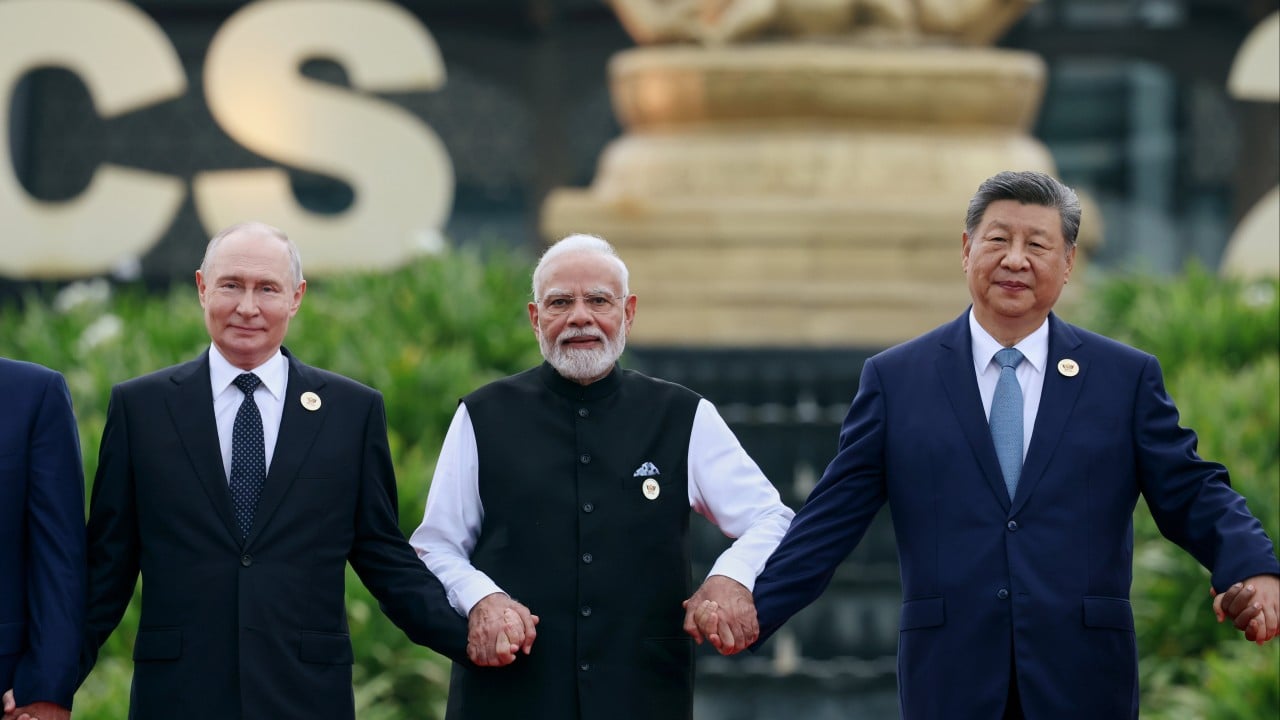
During a meeting at the BRICS summit, Chinese President Xi Jinping emphasized a 'strategic' approach to relations with India. The term is frequently used in Chinese diplomacy to signal a desire for partnership over rivalry.
At the recent BRICS summit in New Delhi, Chinese President Xi Jinping engaged in discussions with Indian Prime Minister Narendra Modi regarding the future of bilateral relations. During these talks, President Xi stated that China views the relationship through a 'strategic and long-term perspective.'
According to official Chinese diplomatic messaging, this terminology is intended to encourage both nations to move away from viewing one another as geopolitical threats or rivals. Instead, the rhetoric suggests that China seeks to frame the relationship as one defined by partnership and mutual opportunity. The use of the word 'strategic' in this context serves as a diplomatic signal, aiming to stabilize tensions and promote a more cooperative framework between the two regional powers.
While the SCMP report highlights this as a push for rational perception, the term is often analyzed by international observers as a deliberate effort to manage China's external image. By framing the relationship as 'strategic,' Beijing attempts to shift the focus from existing border disputes and competitive friction toward long-term economic and diplomatic stability. The meeting serves as a case study in how Chinese leadership utilizes specific vocabulary to define its foreign policy goals and manage expectations with neighboring states.
📡 Media Analysis
How each outlet framed the story — angles, word choices, and what they chose to push or ignore.
Explained the specific diplomatic intent behind China's choice of vocabulary during the BRICS summit.
"treat each other as partners rather than rivals"
✓ Only outlet to report: Provided the specific context of the Xi-Modi meeting at the BRICS summit as the catalyst for the term's usage.
🔍 What Nobody's Reporting
- ·Lack of perspective from Indian government officials regarding how they interpret the term 'strategic'.
- ·Absence of historical context on whether this specific phrasing has led to tangible policy changes in the past.
📰 Sources
0 A-rated source(s) among 1 total. Lowest trust: SCMP (B)