
Democratic Senators Raise Concerns Over Betting on Natural Disasters
A group of Democratic senators has expressed opposition to prediction markets that allow wagering on the occurrence of natural disasters. Lawmakers argue these platforms could incentivize criminal behavior and raise significant ethical concerns.
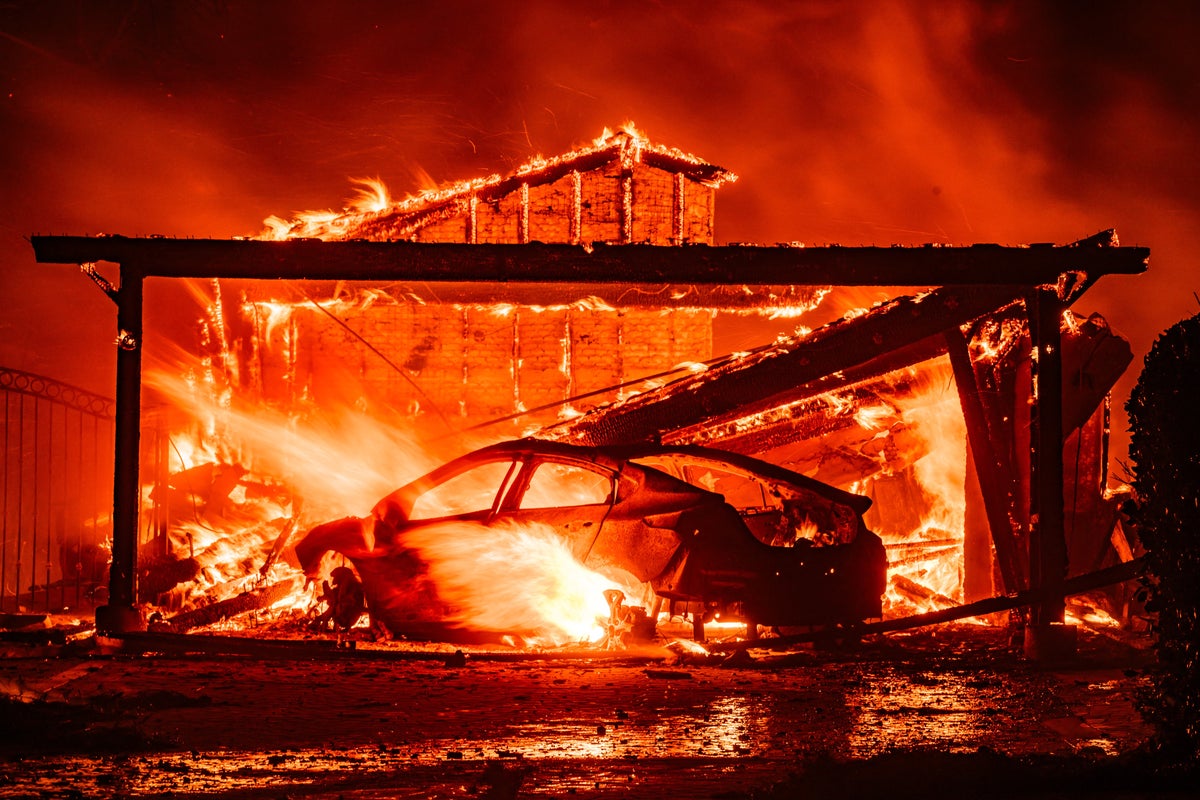
Democratic senators have formally voiced concerns regarding the emergence of prediction markets that permit users to place bets on natural disasters, such as wildfires. These lawmakers contend that allowing financial speculation on events like arson or extreme weather patterns creates a perverse incentive structure. The core of their argument is that such markets could potentially encourage individuals to commit criminal acts to ensure their wagers pay off, while also presenting a broader moral issue regarding the monetization of public tragedies.
While the senators emphasize the potential for increased criminal activity, the debate highlights a growing tension between the rise of decentralized prediction markets and public safety regulations. The senators are calling for a re-evaluation of how these platforms operate, suggesting that the current lack of oversight poses a risk to communities already vulnerable to environmental disasters. As of now, the discussion remains focused on the legislative and ethical implications of these betting mechanisms, with lawmakers seeking to curb the practice before it becomes more widespread.
📡 Media Analysis
How each outlet framed the story — angles, word choices, and what they chose to push or ignore.
Highlighted the moral and criminal risks of prediction markets while framing the senators as protective figures.
"sounding the alarm"
⚡ Where Sources Disagree
- ·Whether prediction markets actually incentivize criminal behavior or simply reflect existing risks.
🔍 What Nobody's Reporting
- ·Lack of response or perspective from the prediction market platforms themselves.
- ·Absence of specific legislative proposals or bills currently being drafted by the senators.
📰 Sources
0 A-rated source(s) among 1 total. Lowest trust: The Independent (B)