
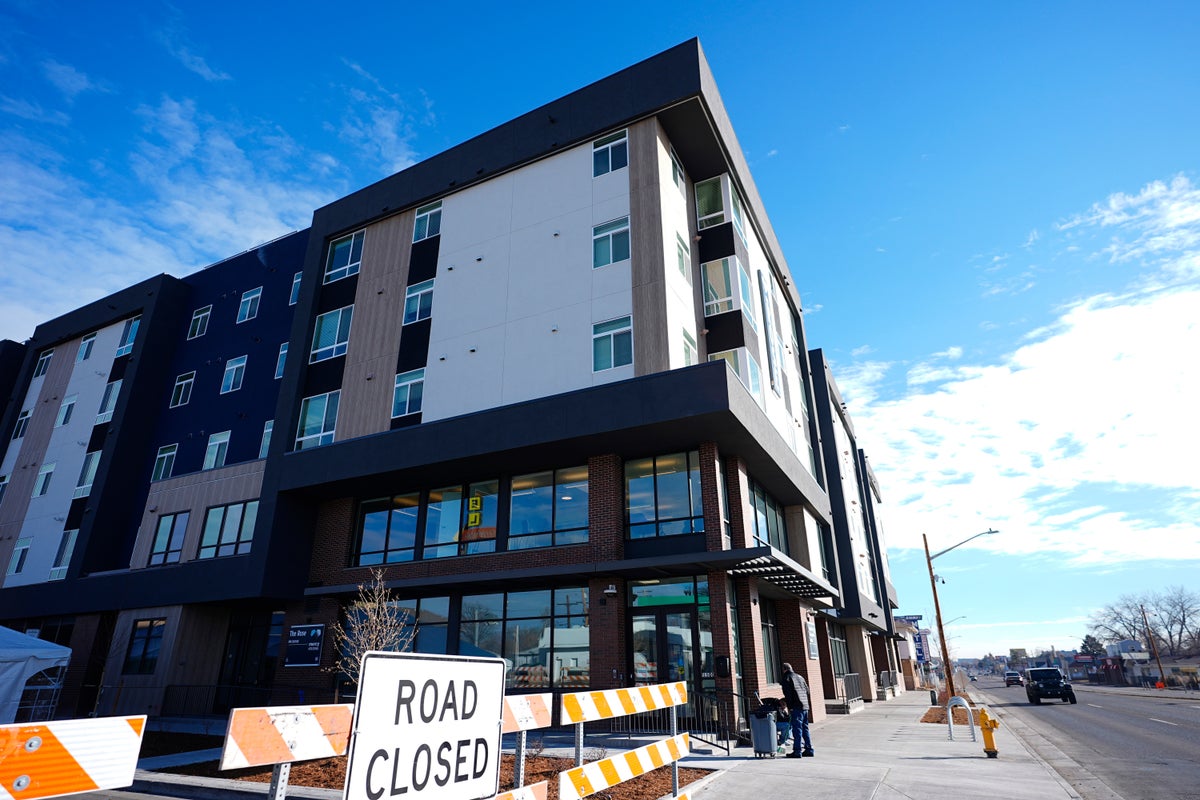
Discrepancy Between Low-Income Housing Availability and Accessibility in the United States
Despite a significant shortage of affordable housing for the nation's poorest residents, some low-income units remain unoccupied. This paradox highlights systemic barriers preventing those in need from accessing available housing stock.
The United States is currently facing a complex housing crisis characterized by a severe shortage of affordable options for the lowest-income households. While the demand for low-income housing far outstrips the supply, reports indicate that a portion of existing subsidized units remain vacant. This situation creates a disconnect where those most in need of shelter are unable to secure it, even when physical units exist.
Experts point to several factors that may contribute to this mismatch. Administrative hurdles, such as complex application processes and strict eligibility requirements, often prevent the most vulnerable populations from successfully leasing available units. Additionally, the geographic distribution of these vacant units does not always align with the areas where housing demand is highest. Furthermore, some units may be undergoing maintenance or require repairs that render them temporarily uninhabitable, despite being classified as part of the available low-income housing stock.
While the core issue remains a lack of sufficient affordable housing, the presence of empty units suggests that increasing supply alone may not be enough to solve the crisis. Addressing the barriers to entry—including bureaucratic delays, location mismatches, and the physical condition of existing units—is essential to ensuring that the poorest Americans can access the housing that is theoretically available to them. Policymakers continue to debate whether the solution lies in increased federal funding for new construction or in reforming the management and accessibility of current housing programs.
📡 Media Analysis
How each outlet framed the story — angles, word choices, and what they chose to push or ignore.
Highlighted the systemic failure of the housing market to serve the most vulnerable populations.
"acute shortage"
⚡ Where Sources Disagree
- ·The extent to which vacancy is caused by administrative failure versus physical unit degradation.
🔍 What Nobody's Reporting
- ·Lack of specific data on the percentage of units that are vacant due to maintenance versus bureaucratic delays.
- ·Absence of perspectives from property management or housing authorities regarding the challenges of filling these units.
📰 Sources
0 A-rated source(s) among 1 total. Lowest trust: The Independent (B)