
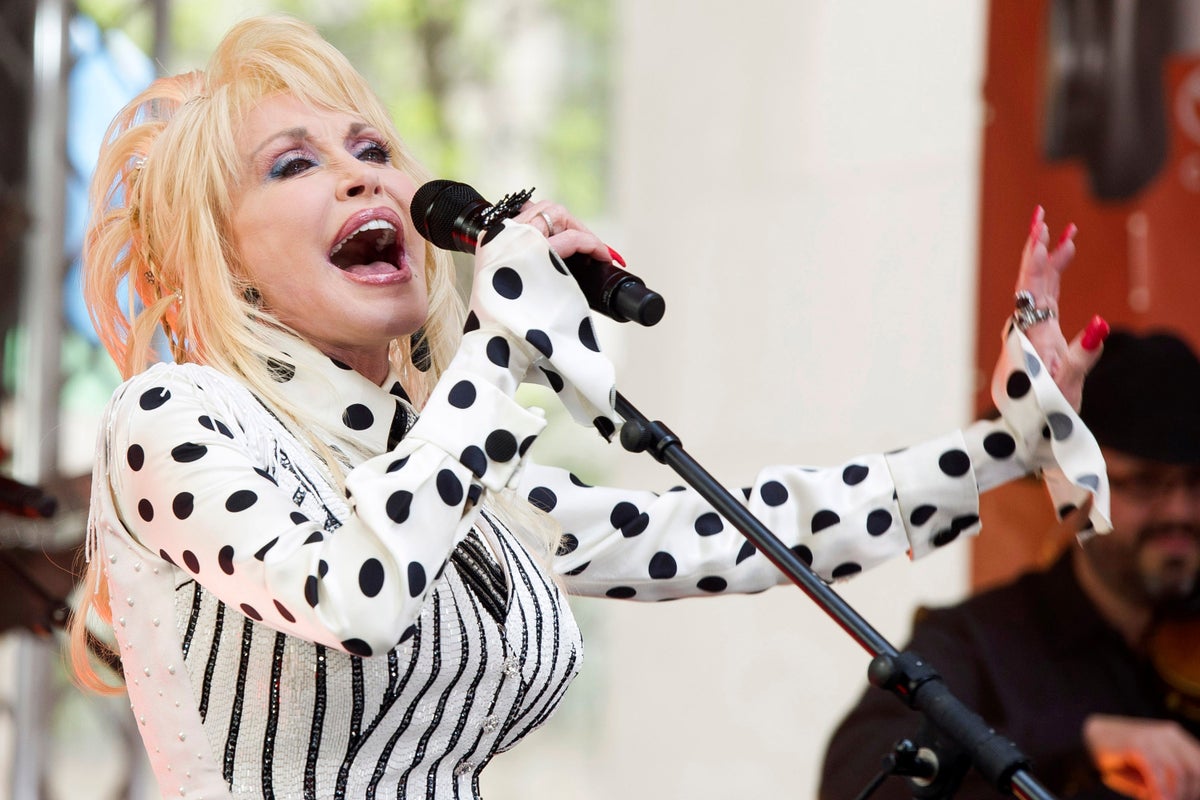
Dolly Parton's Complex Relationship with the Feminist Label
Dolly Parton has consistently declined to identify as a feminist throughout her career. Despite this, many fans and critics argue that her life choices and songwriting reflect core feminist principles.
Dolly Parton has maintained a long-standing public stance of distancing herself from the label of 'feminist.' Throughout her decades-long career, she has frequently sidestepped questions about her political or social affiliations, preferring to focus on her music and personal brand. However, this refusal to adopt the label has not stopped fans and cultural commentators from interpreting her work through a feminist lens.
Proponents of the view that Parton is a feminist point to her lyrics and business acumen. Songs like '9 to 5' are often cited as anthems for women’s workplace equality, highlighting the struggles of female employees. Furthermore, Parton’s ability to maintain total creative and financial control over her music catalog in a male-dominated industry is frequently framed as a powerful act of female autonomy. Supporters argue that her life serves as a practical model of independence, even if she rejects the formal terminology associated with the movement.
Conversely, some critics note that Parton’s brand is built on a traditional, hyper-feminine aesthetic that intentionally caters to a broad, often conservative, audience. By avoiding the 'feminist' label, Parton has successfully navigated the music industry without alienating fans who might be hostile to progressive political movements. The Independent notes that while she wouldn't say the word herself, her actions—such as her support for women in business and her songwriting—have led many to claim her as an icon of the movement regardless of her personal preference. The core tension remains between her explicit rejection of the label and the cultural impact of her career, which many perceive as inherently aligned with feminist goals.
📡 Media Analysis
How each outlet framed the story — angles, word choices, and what they chose to push or ignore.
Argues that Parton's actions and lyrics are inherently feminist despite her personal rejection of the label.
"her actions and lyrics spoke volumes"
⚡ Where Sources Disagree
- ·Whether a public figure can be considered a feminist if they explicitly reject the title.
🔍 What Nobody's Reporting
- ·Lack of perspective from conservative critics who might argue her work reinforces traditional gender roles.
- ·Absence of direct quotes from Parton explaining her specific reasons for avoiding the label.
📰 Sources
0 A-rated source(s) among 1 total. Lowest trust: The Independent (B)