
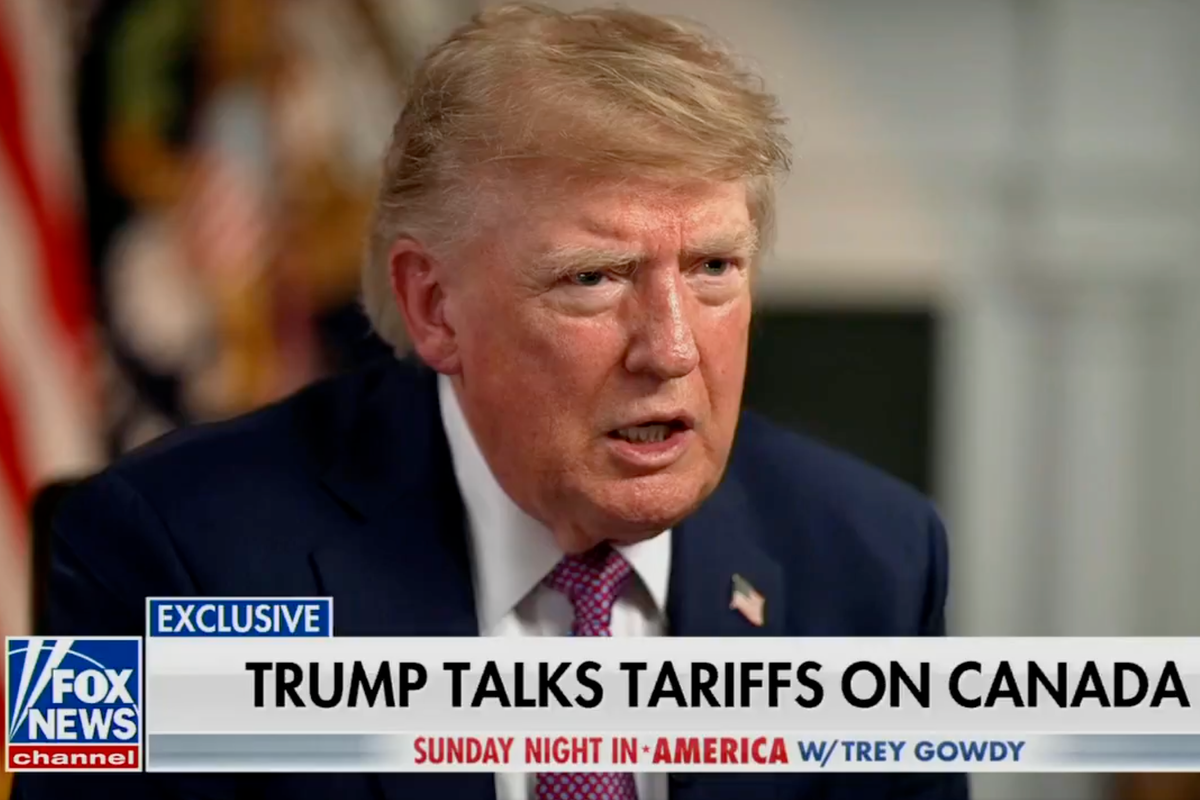
Donald Trump Criticizes Canadian Trade Policies and Diplomatic Status
Former President Donald Trump recently criticized Canada's trade relationship with the United States, suggesting the country acts as if it were a U.S. state while defending his administration's tariff policies. The remarks highlight ongoing tensions regarding trade fairness and the expectations of neighboring allies.
Former President Donald Trump has publicly defended his past trade policies toward Canada, arguing that the northern neighbor should not expect special treatment or exemptions from U.S. tariff hikes. During his commentary, Trump remarked that Canada often behaves as if it were a U.S. state, a comment intended to challenge the nature of the current trade agreement and the expectations held by Canadian leadership.
The core of the disagreement centers on the balance of trade between the two nations. Trump’s position is that the United States has been disadvantaged by existing trade arrangements, justifying the use of tariffs as a tool to protect domestic interests. By framing Canada’s expectations as unrealistic, Trump sought to justify his "America First" trade strategy, which prioritized domestic manufacturing and sought to renegotiate terms that he viewed as unfavorable to the U.S. economy.
While the former president characterizes these actions as necessary defensive measures for the American economy, critics and Canadian officials have historically viewed these tariffs as disruptive to a long-standing, integrated economic partnership. The rhetoric used by Trump suggests a shift in how the U.S. views its closest allies, moving away from traditional diplomatic deference toward a more transactional approach. The comments serve as a reminder of the friction that characterized U.S.-Canada relations during his term, particularly regarding the renegotiation of trade deals and the imposition of steel and aluminum tariffs.
📡 Media Analysis
How each outlet framed the story — angles, word choices, and what they chose to push or ignore.
Framed the comments as part of a 'bitter' trade war, emphasizing the confrontational nature of the rhetoric.
"bitter trade war"
⚡ Where Sources Disagree
- ·Whether the trade policies were a necessary defense of U.S. interests or an unnecessary escalation of a trade war.
🔍 What Nobody's Reporting
- ·Lack of response or counter-perspective from Canadian government officials.
- ·Absence of specific economic data regarding the actual impact of the tariffs on either nation's economy.
📰 Sources
0 A-rated source(s) among 1 total. Lowest trust: The Independent (B)