
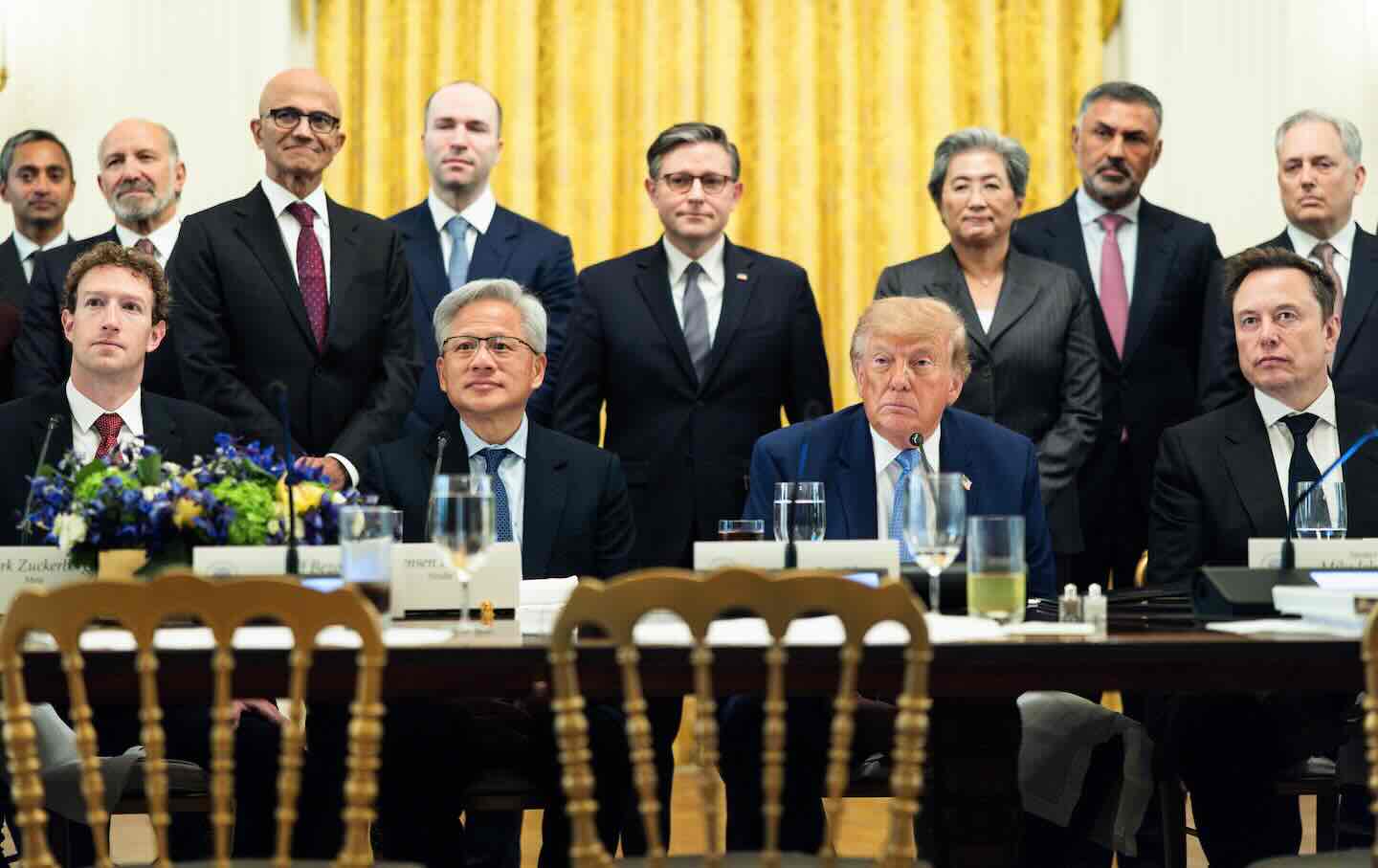
Donald Trump’s Approach to AI Regulation Emphasizes Industry Self-Governance
Former President Donald Trump has signaled a preference for allowing technology companies to self-regulate their artificial intelligence developments. Critics argue this approach ignores internal industry warnings and poses significant long-term risks.
As the debate over artificial intelligence policy intensifies, Donald Trump has advocated for a hands-off regulatory framework that relies on tech companies to police their own AI advancements. This strategy stands in contrast to calls from some industry insiders and policy experts who have urged for more robust government oversight to mitigate potential societal risks.
Proponents of the self-regulation model argue that government intervention could stifle innovation and hinder the United States' competitive edge in the global tech market. By allowing companies to set their own safety standards, supporters believe the industry can remain agile and responsive to rapid technological changes. This perspective suggests that the market, rather than federal agencies, is better equipped to manage the complexities of AI development.
Conversely, critics—including those at The Nation—contend that relying on corporations to regulate themselves is inherently flawed. They argue that profit motives may supersede safety concerns, leading to the deployment of AI systems that could have negative consequences for privacy, misinformation, and labor. These critics point to internal warnings from within the tech sector itself, suggesting that the industry recognizes the dangers of its own creations but may be unable to address them without external legal mandates. While the current discourse highlights a clear divide between those favoring market-led innovation and those demanding strict federal guardrails, the long-term impact of this policy direction remains a subject of intense speculation.
📡 Media Analysis
How each outlet framed the story — angles, word choices, and what they chose to push or ignore.
Framed the policy as an irresponsible failure that will lead to disastrous consequences.
"asinine legacy"
⚡ Where Sources Disagree
- ·Whether self-regulation is a viable strategy for AI safety or a dangerous abdication of responsibility.
🔍 What Nobody's Reporting
- ·Lack of specific details regarding what 'self-policing' mechanisms tech companies have actually proposed.
- ·Absence of input from industry representatives who support the Trump administration's deregulatory stance.
📰 Sources
0 A-rated source(s) among 1 total. Lowest trust: The Nation (B)