
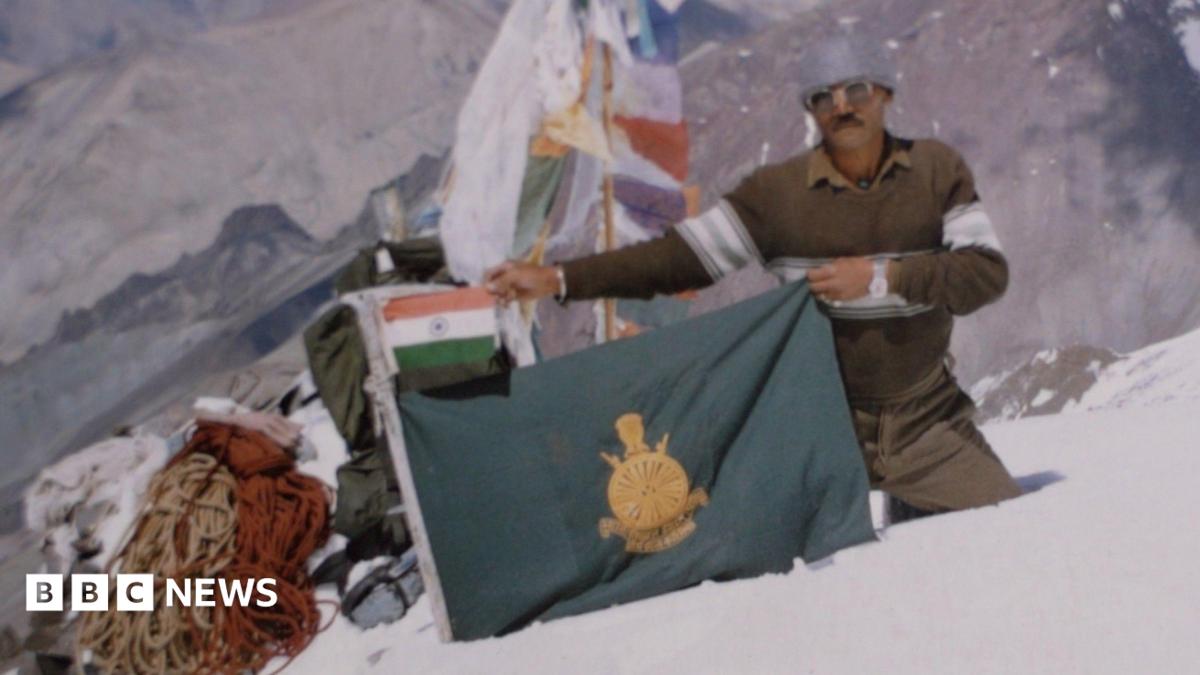
Efforts Underway to Recover Remains of Climber Known as 'Green Boots' on Everest
After three decades, authorities and climbing teams are working to recover the remains of an Indian climber famously known as 'Green Boots' from Mount Everest. The body has served as a grim landmark for climbers on the Northeast Ridge for many years.
For thirty years, the body of an Indian climber, widely identified by the bright lime-colored boots he was wearing, has remained on Mount Everest. The remains are located near a cave on the Northeast Ridge, a high-altitude area that has become a notorious landmark for expeditions attempting to reach the summit.
Recent reports indicate that there is a renewed effort to remove the body from the mountain. The recovery of remains at such extreme altitudes is a complex and dangerous logistical challenge, often requiring significant resources and risking the lives of those involved in the retrieval process. While the climber has been referred to as 'Green Boots' in mountaineering circles for decades, the focus has now shifted toward the ethical and practical considerations of bringing him home to his family.
There is some historical ambiguity regarding the exact identity of the climber, though he is widely believed to be Tsewang Paljor, an Indian border police officer who died during the 1996 Everest disaster. While the BBC reports that the recovery is finally moving forward, the process remains subject to the extreme weather conditions and the technical difficulties inherent in high-altitude mountaineering. The presence of the body has long sparked debate within the climbing community about the ethics of leaving deceased climbers on the mountain versus the risks involved in attempting to bring them down.
📡 Media Analysis
How each outlet framed the story — angles, word choices, and what they chose to push or ignore.
Focused on the human element and the transition of the body from a landmark to a person being brought home.
"grim trail marker"
✓ Only outlet to report: Identified that the recovery process is finally moving forward after decades of the body remaining in situ.
⚡ Where Sources Disagree
- ·The identity of the climber is widely accepted as Tsewang Paljor, but some historical accounts have occasionally questioned if the body belongs to another member of the same 1996 expedition.
🔍 What Nobody's Reporting
- ·Lack of specific details regarding the current recovery team or the specific organization funding the removal operation.
- ·No mention of the legal or permit requirements involved in removing remains from the Everest Northeast Ridge.
📰 Sources
1 A-rated source(s) among 1 total. Lowest trust: BBC News (A)