
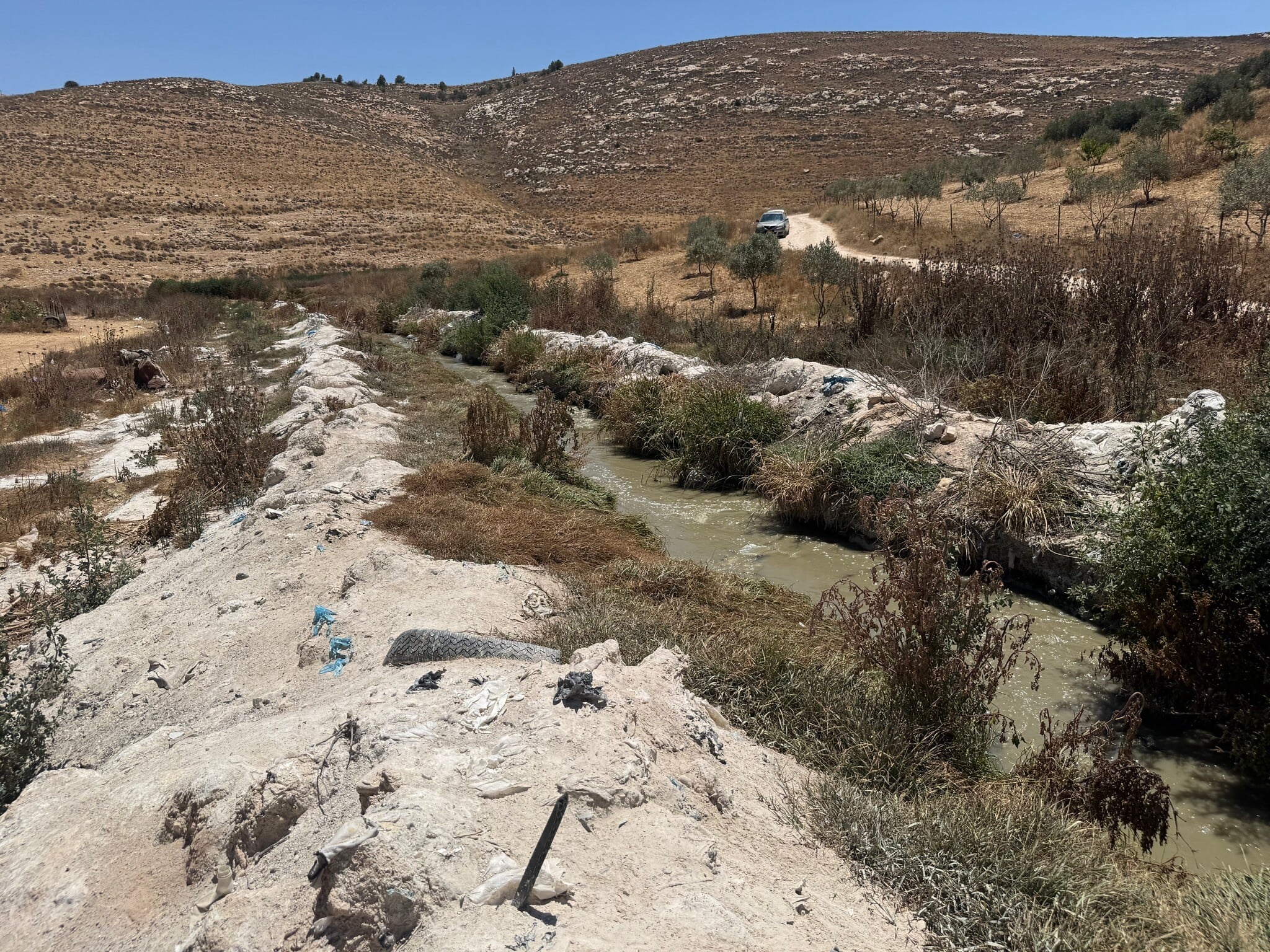
Environmental degradation and pollution plague the Hebron stream
The Hebron stream is currently suffering from severe pollution caused by a combination of industrial waste and inadequate sewage infrastructure. Local residents and industrial facilities are contributing to the contamination, which has resulted in significant damage to regional soil and groundwater quality.
The Hebron stream faces an ongoing environmental crisis as toxic sewage and factory sludge continue to flow into the waterway. The pollution is primarily attributed to a lack of sufficient infrastructure and a breakdown in coordination between local entities. Reports indicate that both Palestinian residential waste and industrial runoff are being discharged directly into the stream, leading to long-term degradation of the surrounding soil and the underlying groundwater supply.
The Times of Israel characterizes the situation as a failure of both infrastructure and management, noting that the response to the crisis has been hampered by partisan tensions. While the environmental impact is clear, the political context surrounding the stream's management remains a significant obstacle to remediation efforts. The outlet suggests that the current state of the stream is a result of local actors refusing to cooperate on necessary environmental protections, though it acknowledges that the broader political climate complicates any potential cleanup or infrastructure investment. The ongoing contamination poses a direct threat to the health of the local ecosystem and the communities that rely on the area's water resources.
📡 Media Analysis
How each outlet framed the story — angles, word choices, and what they chose to push or ignore.
Blames local Palestinian residents and industry while highlighting the role of political partisanship in stalling a solution.
"locals refuse to go with the flow"
✓ Only outlet to report: Identifies the specific role of partisan politics as a primary barrier to resolving the infrastructure failures.
⚡ Where Sources Disagree
- ·The extent to which the pollution is a result of intentional dumping versus a lack of available infrastructure.
🔍 What Nobody's Reporting
- ·Lack of input or perspective from Palestinian municipal authorities or local environmental groups.
- ·Absence of technical data regarding the specific chemical composition of the 'toxic' sludge mentioned.
📰 Sources
0 A-rated source(s) among 1 total. Lowest trust: Times of Israel (B)