
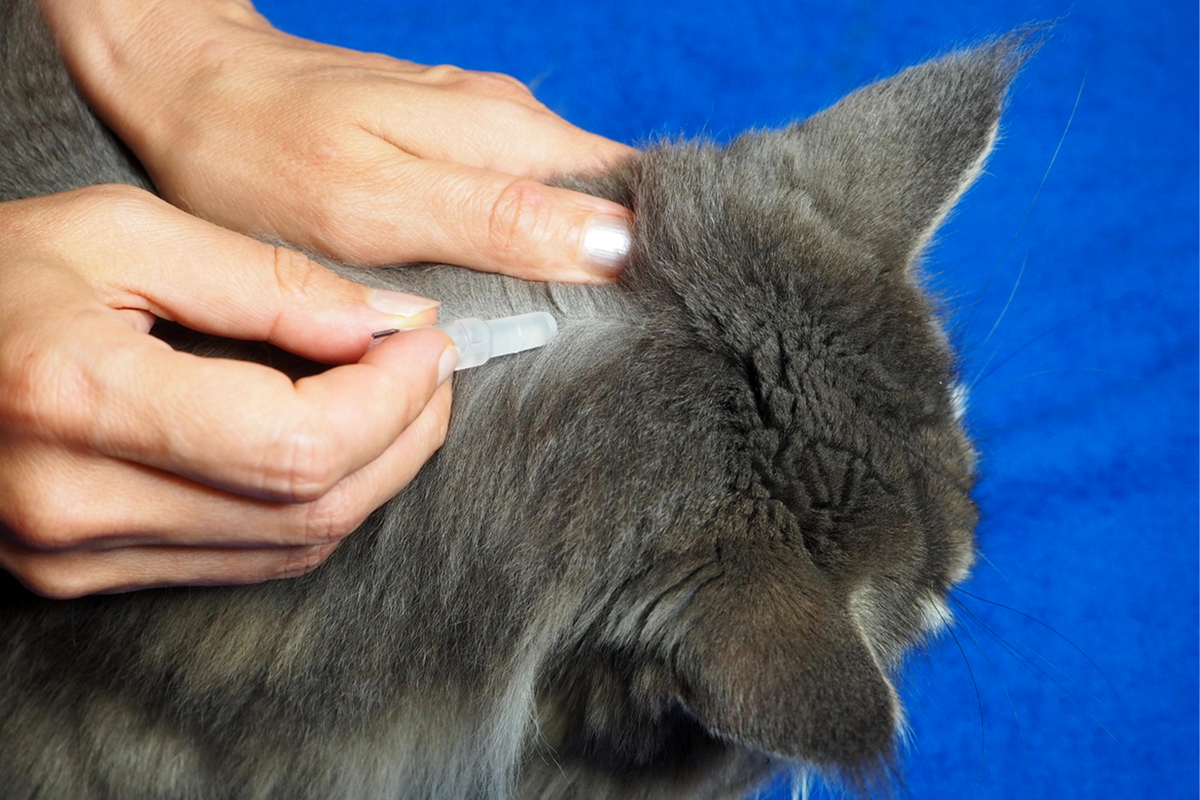
Environmental Report Prompts Calls for Ban on Common Pet Flea Treatments
A recent report has raised concerns regarding the environmental impact of chemical pet flea treatments on rivers and wildlife. These findings have led to calls for an urgent ban on the products to prevent further ecological damage.
A new report has highlighted significant environmental concerns linked to common chemical treatments used for pet flea control. The study suggests that these substances, which are often washed off pets or excreted into sewage systems, are contributing to widespread contamination of rivers and natural habitats. Environmental advocates argue that the chemical runoff poses a severe threat to aquatic life and overall biodiversity.
Because of these findings, there are growing calls for an urgent ban on the sale and use of these specific flea treatments. Proponents of the ban argue that the current environmental risks outweigh the convenience of these products, urging regulators to prioritize ecological health. While the report emphasizes the potential for long-term damage to nature, it does not detail specific alternative treatments or the potential impact on pet health if these products were removed from the market. The discussion currently centers on the tension between pet owner needs and the preservation of water quality and wildlife ecosystems.
📡 Media Analysis
How each outlet framed the story — angles, word choices, and what they chose to push or ignore.
Focused on the environmental alarm and the necessity of a ban.
"devastating risks"
⚡ Where Sources Disagree
- ·The report does not address whether the environmental risks are scientifically proven to be 'devastating' or if they are manageable through better disposal practices.
🔍 What Nobody's Reporting
- ·Lack of industry or veterinary perspective regarding the necessity of these products for animal health.
- ·Absence of data regarding the specific chemical compounds being targeted for the ban.
📰 Sources
0 A-rated source(s) among 1 total. Lowest trust: The Independent (B)