
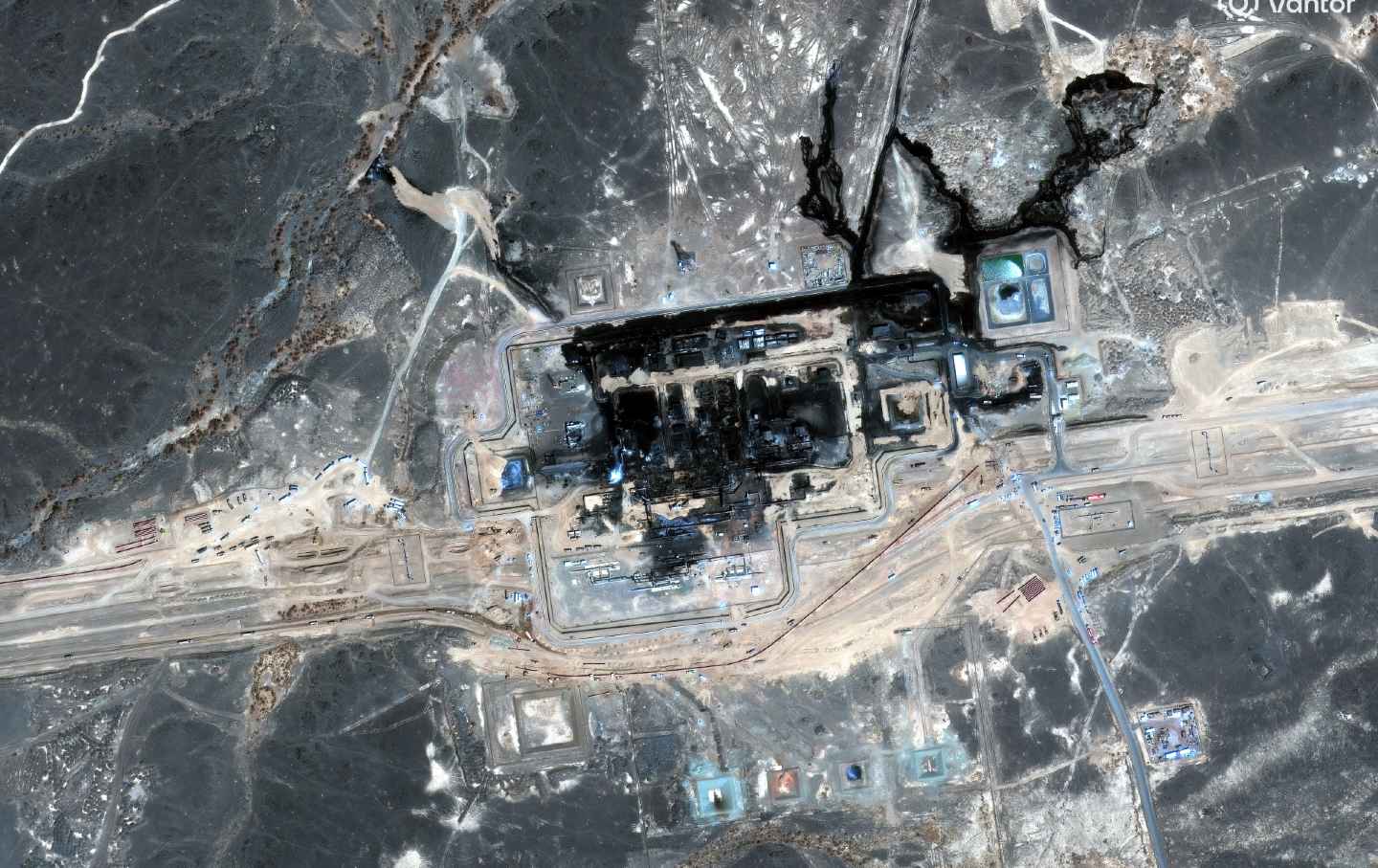
Escalating Conflict Creates Uncertainty for Global Energy Markets
Analysts warn that the ongoing and expanding nature of the current conflict is creating significant instability in global energy prices. The prolonged duration of the war is now expected to have more severe economic consequences than previously anticipated.
As the conflict continues beyond initial expectations, market analysts are expressing growing concern regarding its impact on global energy stability. What was once viewed by many as a short-term disruption is now being re-evaluated as a long-term threat to the world economy. Experts suggest that the current phase of the war is likely to exert sustained upward pressure on energy prices, complicating recovery efforts for many nations.
While the specific mechanisms of these market shifts are complex, the consensus among observers is that the lack of a clear resolution is the primary driver of volatility. The uncertainty surrounding supply chains and geopolitical stability has forced energy markets to price in a higher risk premium. This shift represents a departure from earlier forecasts that predicted a swifter conclusion to the hostilities and a subsequent stabilization of energy costs. As the situation remains fluid, the potential for further economic fallout remains a central focus for global financial institutions and energy policy makers alike.
📡 Media Analysis
How each outlet framed the story — angles, word choices, and what they chose to push or ignore.
Focused on the grim economic outlook and the failure of previous predictions.
"more serious in this later phase"
🔍 What Nobody's Reporting
- ·Lack of specific data points or energy sectors (e.g., oil vs. natural gas) affected by the conflict.
- ·Absence of perspectives from energy-producing nations or market regulators.
📰 Sources
0 A-rated source(s) among 1 total. Lowest trust: The Nation (B)