
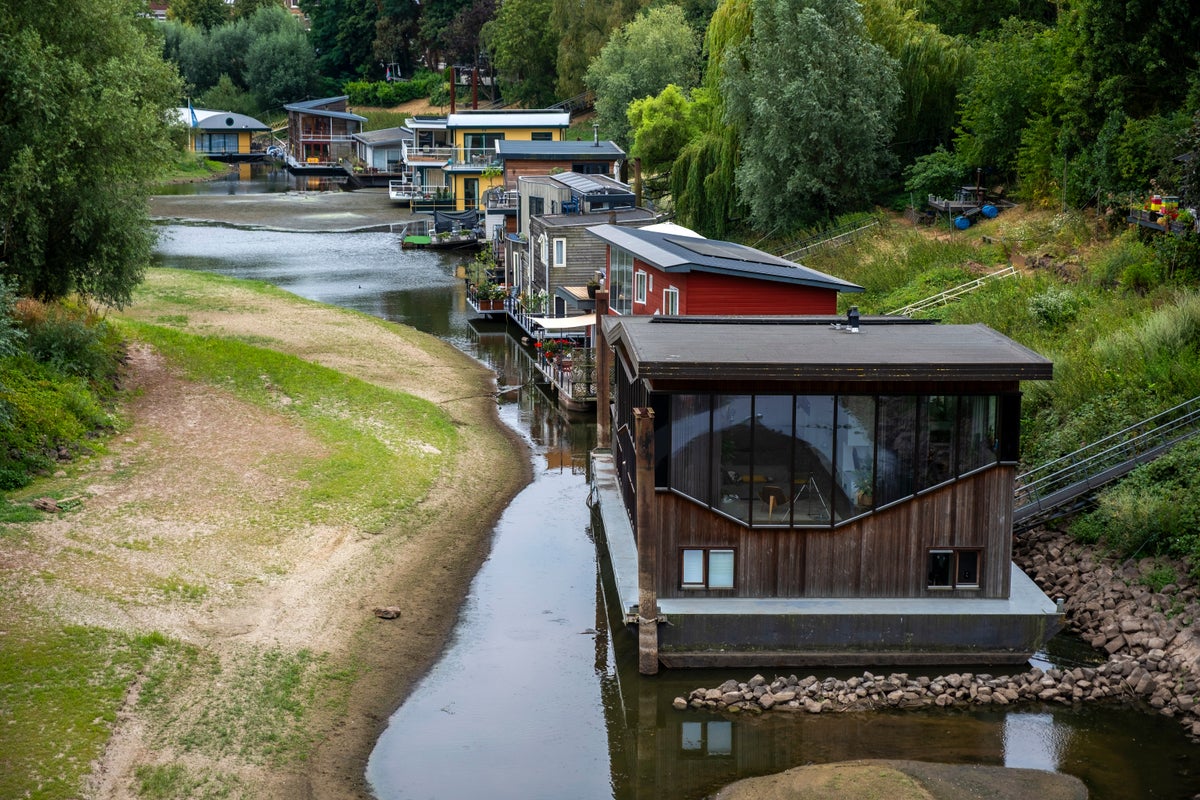
European Heat Wave and Drought Threaten Dutch Dikes and River Trade
A severe European heat wave has caused widespread drought conditions, impacting infrastructure in the Netherlands and Germany. The dry weather is specifically raising concerns about the structural integrity of Dutch dikes and the viability of river-based trade routes.
A prolonged heat wave across Europe is creating significant environmental and economic challenges, particularly in the Netherlands and Germany. As record-breaking temperatures persist, the resulting drought has led to a critical drop in water levels across major river systems. This development is causing immediate concern for the stability of Dutch dikes, which rely on specific moisture levels to maintain their structural integrity. When soil becomes excessively dry, these flood-defense systems face an increased risk of instability.
Beyond the structural concerns for dikes, the drought is severely disrupting river trade. Low water levels in key waterways, such as the Rhine, are forcing cargo ships to reduce their loads or halt operations entirely, creating a bottleneck for goods moving through Germany and the Netherlands. While the current focus is on these two nations, the broader European landscape is also struggling with the heat wave's secondary effects, including devastating wildfires that have broken out in countries such as France, Spain, Portugal, and Greece. Authorities are currently monitoring the situation to determine the long-term impact of these extreme weather patterns on regional infrastructure and supply chains.
📡 Media Analysis
How each outlet framed the story — angles, word choices, and what they chose to push or ignore.
Connected local infrastructure risks directly to the broader narrative of a continent-wide climate crisis.
"devastating wildfires"
🔍 What Nobody's Reporting
- ·Lack of specific data regarding the current water level measurements in the Rhine.
- ·Absence of statements from Dutch water management authorities regarding specific mitigation plans.
📰 Sources
0 A-rated source(s) among 1 total. Lowest trust: The Independent (B)