
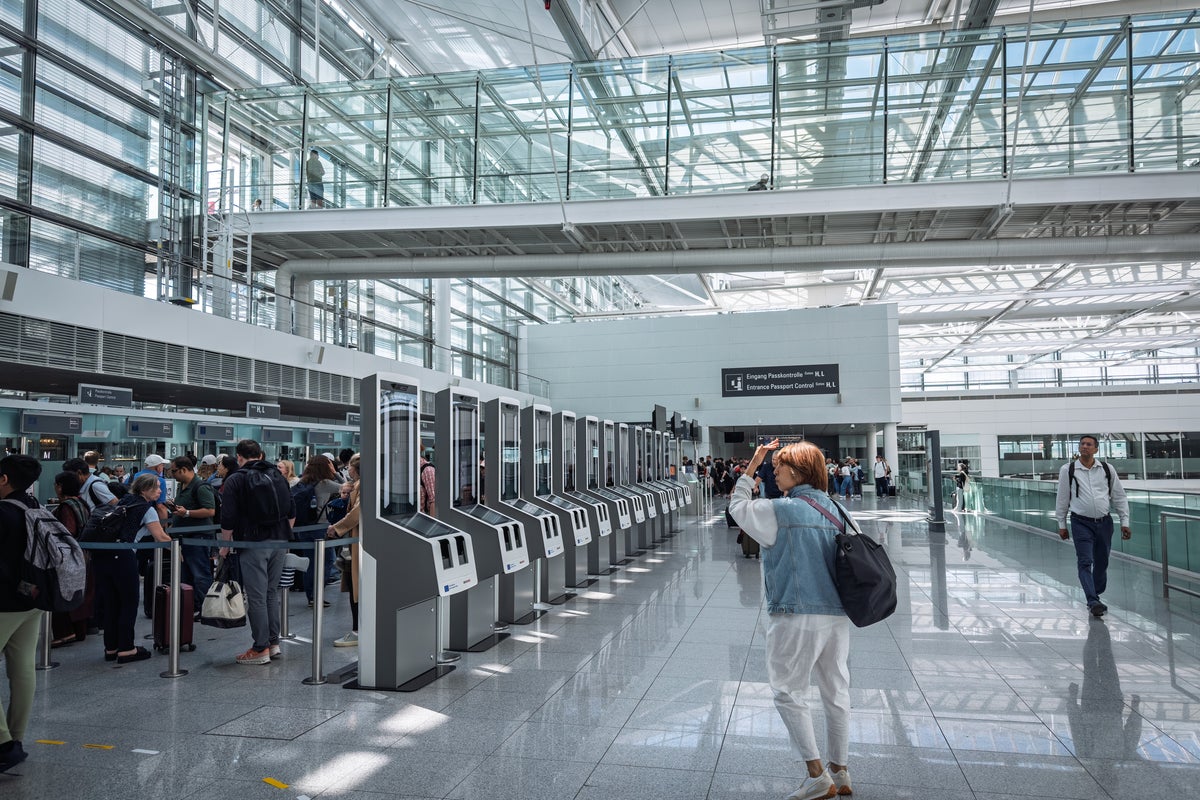
European Union Considers Delaying New Post-Brexit Border Entry/Exit System
The European Union is reportedly considering a delay to the implementation of its new Entry/Exit System (EES) for non-EU travelers. The move aims to prevent potential travel disruption and border congestion following concerns raised about the system's readiness.
The European Union is evaluating a potential postponement of its new Entry/Exit System (EES), a digital border control framework designed to track non-EU nationals entering the Schengen Area. While the system was intended to streamline security, concerns have mounted regarding its readiness and the potential for significant delays at border crossings, particularly for travelers arriving from the United Kingdom.
The EES, which replaces manual passport stamping with biometric data collection, has faced criticism from various stakeholders who fear that the technology and infrastructure are not yet prepared for the high volume of cross-border traffic. According to reports, officials are weighing a delay to ensure that the transition does not result in widespread travel chaos. The system, which only reached a state of full operational readiness in April, is currently under scrutiny as member states assess whether they can effectively manage the new requirements without causing long queues at ports and airports.
While the primary goal of the EES is to enhance security and prevent illegal overstays, the current debate centers on the balance between technological implementation and the practical realities of border logistics. Proponents of a delay argue that more time is necessary to test the systems under real-world conditions, while others remain concerned that further postponement could undermine the EU's broader efforts to modernize its external border management. As of now, no official date for a potential delay has been confirmed, and discussions among EU member states remain ongoing.
📡 Media Analysis
How each outlet framed the story — angles, word choices, and what they chose to push or ignore.
Framed the potential delay as a necessary reaction to avoid inevitable logistical failure.
"travel chaos"
✓ Only outlet to report: Reported that the system only became fully operational in April.
⚡ Where Sources Disagree
- ·Whether the system is fundamentally broken or simply requires more time for technical integration.
🔍 What Nobody's Reporting
- ·Lack of comment from EU officials confirming the specific technical hurdles causing the delay.
- ·Absence of perspective from UK government officials regarding their readiness to comply with the new system.
📰 Sources
0 A-rated source(s) among 1 total. Lowest trust: The Independent (B)