
Evaluating Grassroots Governance Models in Hong Kong’s Sham Shui Po District
Sham Shui Po serves as a case study for the complex administrative challenges facing Hong Kong's older, densely populated districts. The district's unique demographic and structural issues highlight the ongoing need for effective local governance strategies.
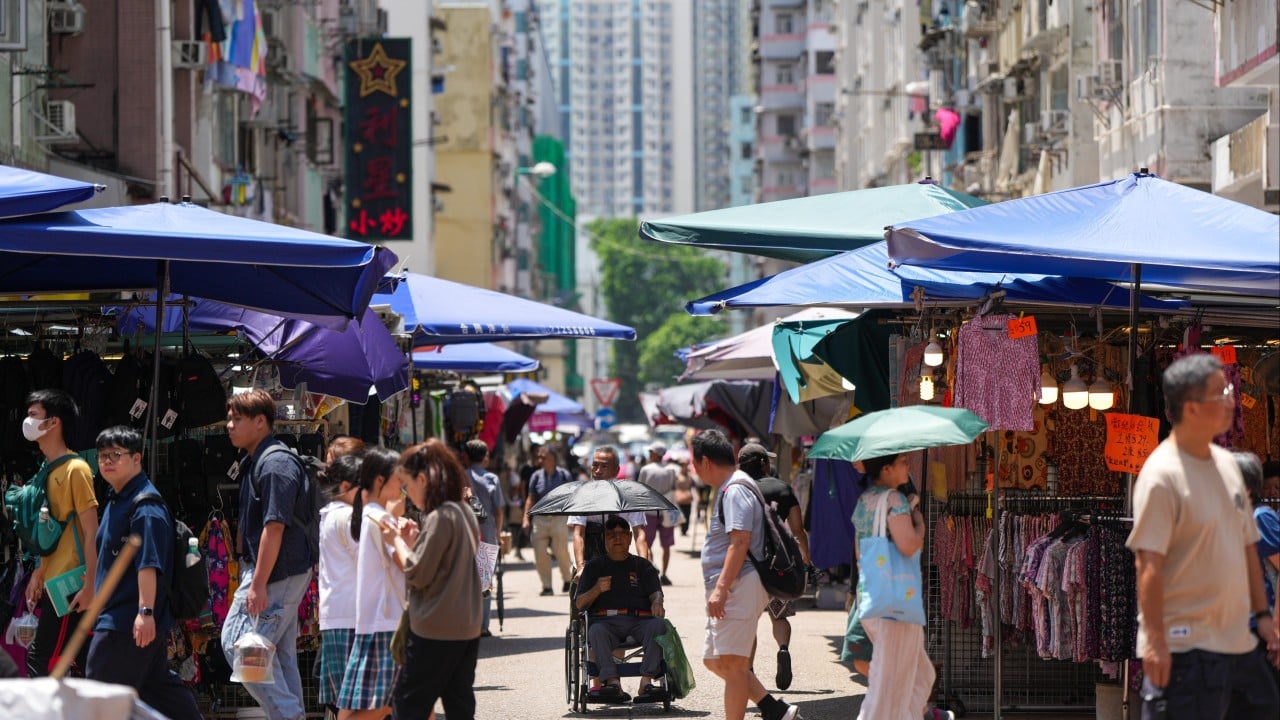
Sham Shui Po is frequently cited as a representative example of the structural and social challenges inherent in Hong Kong’s older urban districts. Characterized by high population density, aging infrastructure, and a significant proportion of low-income and elderly residents, the area requires consistent administrative attention to address routine maintenance and social welfare needs.
Governance in such a district involves navigating narrow urban layouts and managing the needs of vulnerable populations, including those living alone. Experts and community workers suggest that effective management in this environment relies on a combination of practical, day-to-day problem solving and a commitment to setting a standard of 'rectitude' in public service. The approach emphasizes that political success at the grassroots level is rarely achieved through high-level policy alone, but rather through the consistent, hands-on management of local issues that directly impact the daily lives of residents.
While the district faces significant hurdles due to its age and density, it also serves as a testing ground for how the government can implement more responsive and localized governance models. The focus remains on how these practical, community-level interventions can be scaled or adapted to improve the quality of life in other similarly challenged areas across the city.
📡 Media Analysis
How each outlet framed the story — angles, word choices, and what they chose to push or ignore.
Framed the district as a practical laboratory for testing government administrative effectiveness.
"exemplifies many practical challenges"
🔍 What Nobody's Reporting
- ·Lack of input from local residents regarding their satisfaction with current governance.
- ·Absence of specific data or metrics defining what 'success' looks like in this context.
📰 Sources
0 A-rated source(s) among 1 total. Lowest trust: SCMP (B)