
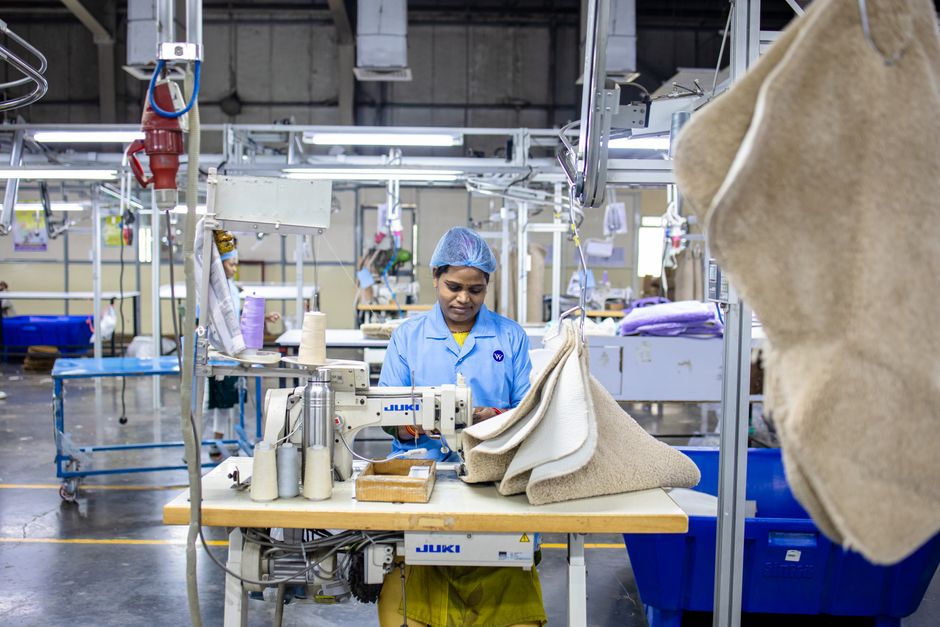
Evaluating the 'Make in India' Initiative After Twelve Years
The 'Make in India' program, launched 12 years ago to boost domestic manufacturing, has seen measurable growth in production and exports. However, the initiative has struggled to meet its core objectives regarding GDP contribution and large-scale job creation.
Market Narrative Detected
The narrative suggests that India is on a steady path to becoming a global manufacturing powerhouse, benefiting the government's economic reputation and foreign investors looking for alternatives to China. If believed, this narrative encourages long-term capital inflow into Indian industrial sectors.
Since its inception in 2014, the 'Make in India' initiative has aimed to transform the nation into a global manufacturing hub. Twelve years later, the program presents a mixed record of success and ongoing challenges. Supporters point to significant gains in industrial production and a notable increase in export volumes as evidence that the policy has successfully attracted investment and improved infrastructure for specific sectors.
Despite these gains, the initiative has faced criticism for failing to reach its primary targets. The contribution of the manufacturing sector to India's GDP has remained largely stagnant, falling short of the ambitious growth goals set at the program's launch. Furthermore, the expected surge in mass employment has not materialized at the scale initially projected. Industry representatives, particularly those representing Micro, Small, and Medium Enterprises (MSMEs), argue that the current framework lacks sufficient access to affordable credit. These businesses contend that without easier financing options, the domestic manufacturing ecosystem cannot scale effectively to compete on a global stage. While the government continues to promote the initiative as a cornerstone of economic policy, analysts suggest that future success will depend on addressing these structural financial barriers and shifting focus from high-level investment figures to tangible employment metrics.
📡 Media Analysis
How each outlet framed the story — angles, word choices, and what they chose to push or ignore.
Provided a balanced scorecard approach, acknowledging both the industrial growth and the failure to meet employment targets.
"key job and GDP goals remain elusive"
🔍 What Nobody's Reporting
- ·Lack of specific data comparing current manufacturing output to pre-2014 baselines.
- ·Absence of perspective from labor unions regarding the quality and stability of jobs created.
- ·No mention of the impact of global supply chain shifts versus domestic policy effectiveness.
📰 Sources
0 A-rated source(s) among 1 total. Lowest trust: NDTV (B)