
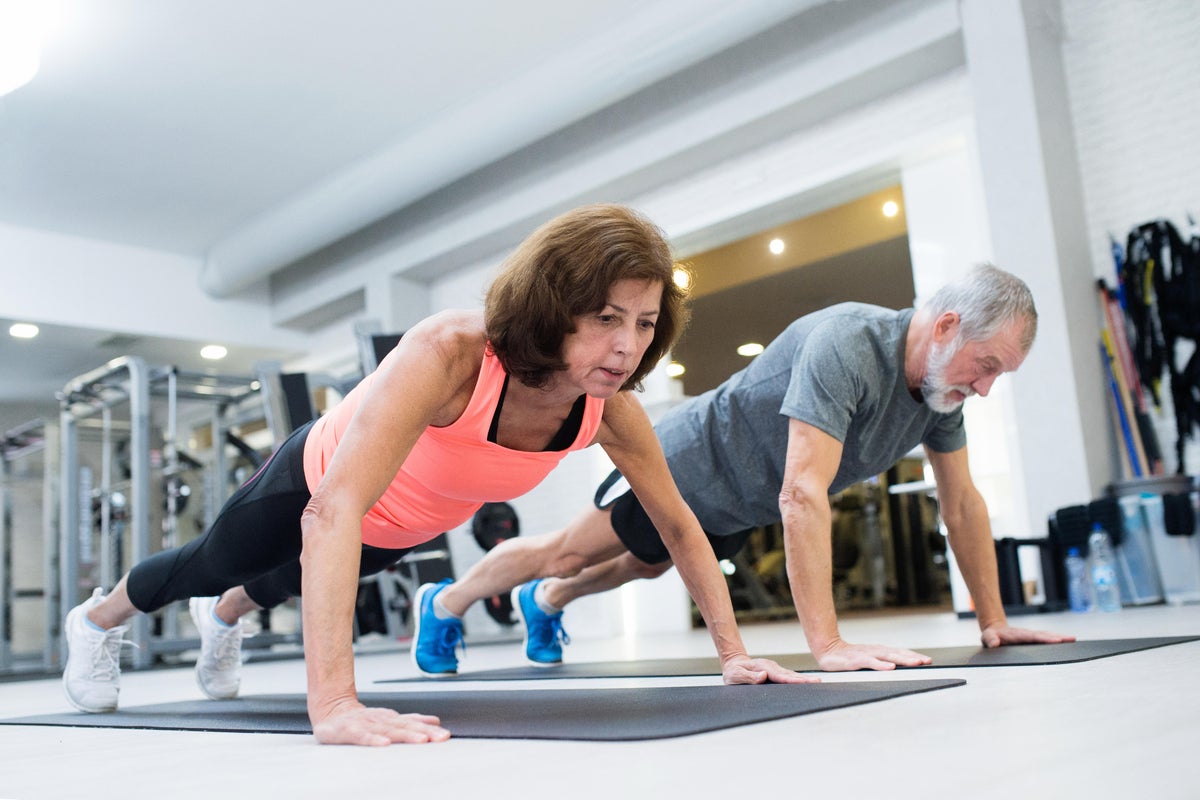
Expert outlines three-step approach to improving physical strength at any age
Fitness writer Harry Bullmore has published a guide detailing three specific actions intended to help individuals improve their physical strength regardless of their age. The report highlights the accessibility of strength training for older adults and provides a simplified framework for exercise.
A recent report by Harry Bullmore outlines a three-point checklist designed to help individuals improve their physical strength and mobility at any stage of life. The piece emphasizes that strength training is not limited to younger demographics, citing the example of a 90-year-old individual who regained the ability to stand without assistance as evidence of the potential benefits of consistent exercise.
The core of the advice focuses on simplifying fitness routines to make them more achievable for beginners or those with limited experience. By breaking down exercise into three fundamental components, the author suggests that physical transformation is a realistic goal for a wide range of people. The article frames strength building as a manageable process rather than an overwhelming commitment, aiming to demystify the path to better health for older adults in particular.
While the article promotes these three specific steps as a universal starting point, it does not provide extensive scientific citations for each individual point, focusing instead on the anecdotal success of the methodology. The narrative serves as an encouraging overview for readers looking to integrate basic strength training into their daily lives, though it remains a general guide rather than a medically tailored prescription.
📡 Media Analysis
How each outlet framed the story — angles, word choices, and what they chose to push or ignore.
Framed fitness as a universally accessible and empowering lifestyle goal.
"transform your body"
✓ Only outlet to report: The specific anecdote regarding a 90-year-old regaining the ability to stand unaided.
🔍 What Nobody's Reporting
- ·Lack of specific scientific or medical credentials for the 'three things' mentioned.
- ·Absence of safety warnings or advice on consulting a physician before starting a new routine.
📰 Sources
0 A-rated source(s) among 1 total. Lowest trust: The Independent (B)