
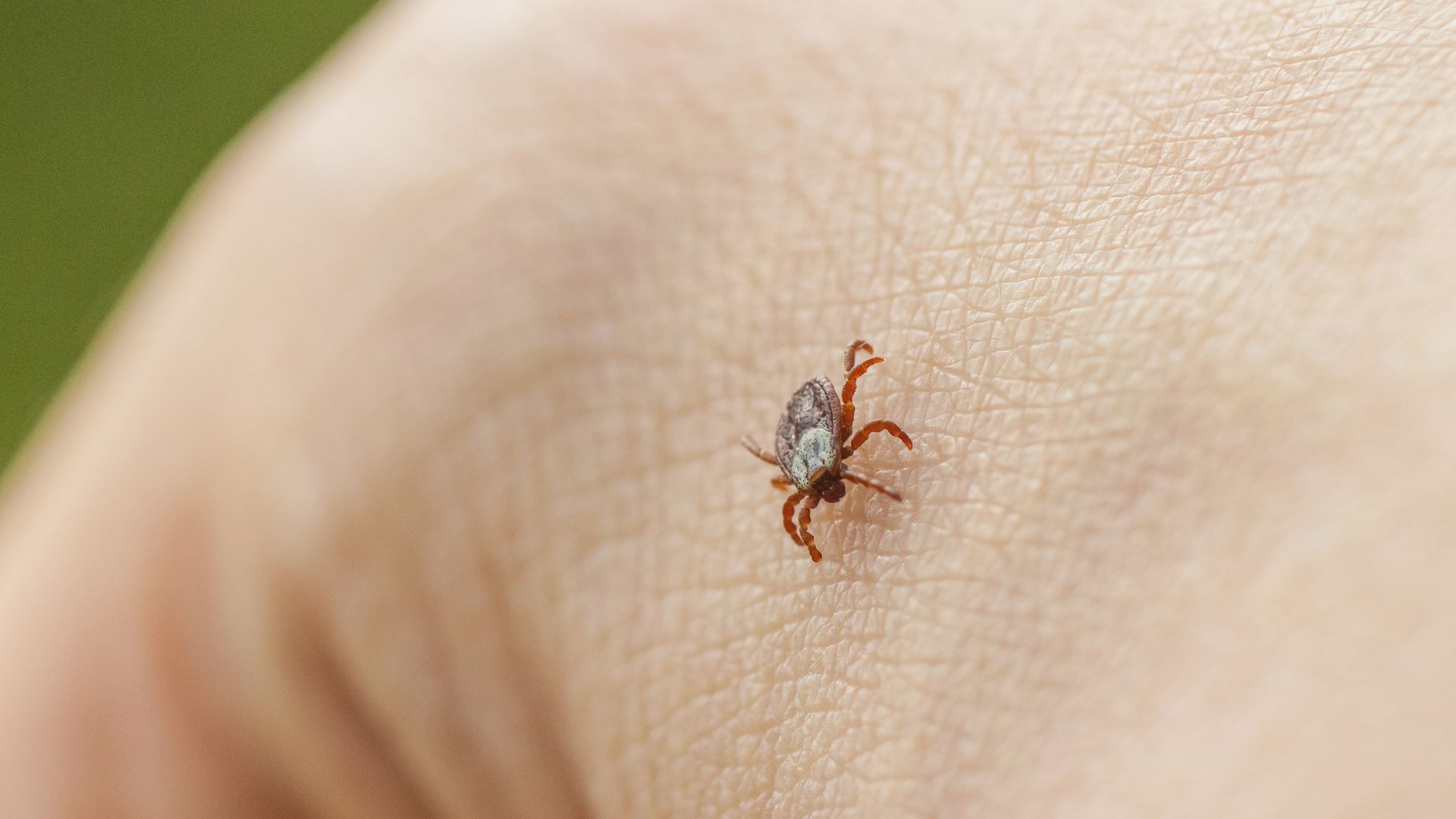
Experts Warn Longer Tick Lifespans in UK Due to Rising Temperatures
Climate change is contributing to longer lifespans for ticks in the UK that carry life-threatening viruses. Experts indicate that more frequent heatwaves are creating more favorable conditions for these insects.
Recent reports from experts suggest that the UK is seeing an increase in the survival duration of ticks known to carry dangerous viruses. This shift is being attributed to the country's changing climate, specifically the rise in the frequency and intensity of heatwaves. As temperatures remain higher for longer periods, the environmental conditions become more hospitable for tick populations to thrive and remain active throughout the year.
The primary concern for public health officials is the potential for increased human exposure to tick-borne illnesses. While the specific viruses were not detailed in the initial reports, the warning emphasizes that these pathogens can be life-threatening. The extended activity period for these ticks means that the window of risk for outdoor enthusiasts, hikers, and those living in rural areas is expanding beyond traditional seasonal expectations.
Public health experts are urging the public to remain vigilant when spending time in grassy or wooded areas. Preventive measures, such as wearing long sleeves and performing regular tick checks after being outdoors, are being recommended as essential practices. While the phenomenon of longer tick lifespans is linked to broader climate trends, the immediate focus remains on mitigating the risk of infection through increased awareness and proactive personal protection.
📡 Media Analysis
How each outlet framed the story — angles, word choices, and what they chose to push or ignore.
Focused on the direct link between climate-driven heatwaves and the increased health risk to the public.
"life-threatening virus"
🔍 What Nobody's Reporting
- ·Lack of specific identification of which viruses are currently being tracked in UK tick populations.
- ·Absence of data regarding current infection rates or geographic hotspots within the UK.
📰 Sources
0 A-rated source(s) among 1 total. Lowest trust: Sky News UK (B)