
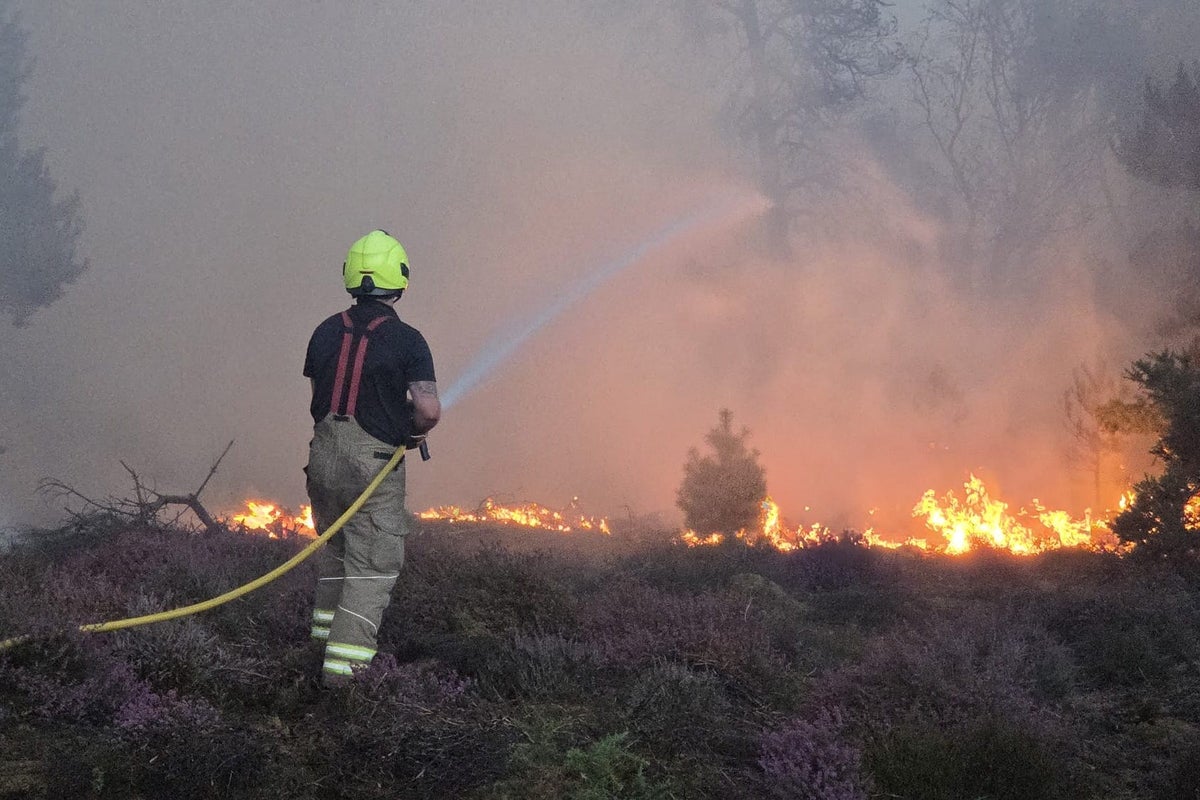
Extreme heat poses significant risks to British ecosystems and wildlife
Rising temperatures in the United Kingdom are expected to cause widespread damage to natural landscapes, including increased tree mortality and the loss of bird populations. These environmental shifts threaten to alter the character of both urban and rural areas across the country.
Recent environmental analysis indicates that the British landscape is facing a period of significant transformation due to the increasing frequency and intensity of extreme heat events. Experts warn that these climatic changes are not merely temporary inconveniences but represent a long-term threat to the stability of local ecosystems.
One of the primary concerns highlighted is the impact on tree health. Prolonged periods of high temperatures and associated drought conditions are leading to increased tree mortality, which could fundamentally change the appearance and biodiversity of forests and urban green spaces. As these habitats degrade, the wildlife that depends on them is also under pressure. Specifically, bird populations are reported to be in decline as their natural food sources and nesting environments vanish or become unsuitable due to the changing climate.
The consequences of these shifts extend beyond the natural world, impacting agricultural productivity and the quality of life in urban environments. While the report focuses on the ecological damage, it underscores that the entire British landscape—from managed farmland to wilder spaces—is currently vulnerable to these environmental stressors. There is a consensus among environmental observers that without significant mitigation or adaptation strategies, the loss of flora and fauna will continue to accelerate, leading to a permanent alteration of the British countryside and cityscapes.
📡 Media Analysis
How each outlet framed the story — angles, word choices, and what they chose to push or ignore.
Focused on the catastrophic environmental outlook to emphasize the urgency of climate change.
"vanishing birds"
🔍 What Nobody's Reporting
- ·Lack of specific data or scientific studies cited to support the claims of bird population decline.
- ·Absence of potential policy solutions or adaptation strategies currently being considered by the government.
📰 Sources
0 A-rated source(s) among 1 total. Lowest trust: The Independent (B)