
Factors Driving Record-High Beef Prices in the United States
US beef prices have reached historic highs due to a combination of supply chain constraints and reduced cattle inventory. Despite the increased costs for consumers, industry data suggests that profit margins for producers and retailers remain under pressure.
Market Narrative Detected
The narrative suggests that inflation in the food sector is an unavoidable result of environmental and supply chain factors, which benefits large industry players by framing their price hikes as a necessity rather than a choice. If the public believes this is a 'no-win' situation for everyone, there is less pressure for regulatory intervention or investigations into market concentration.
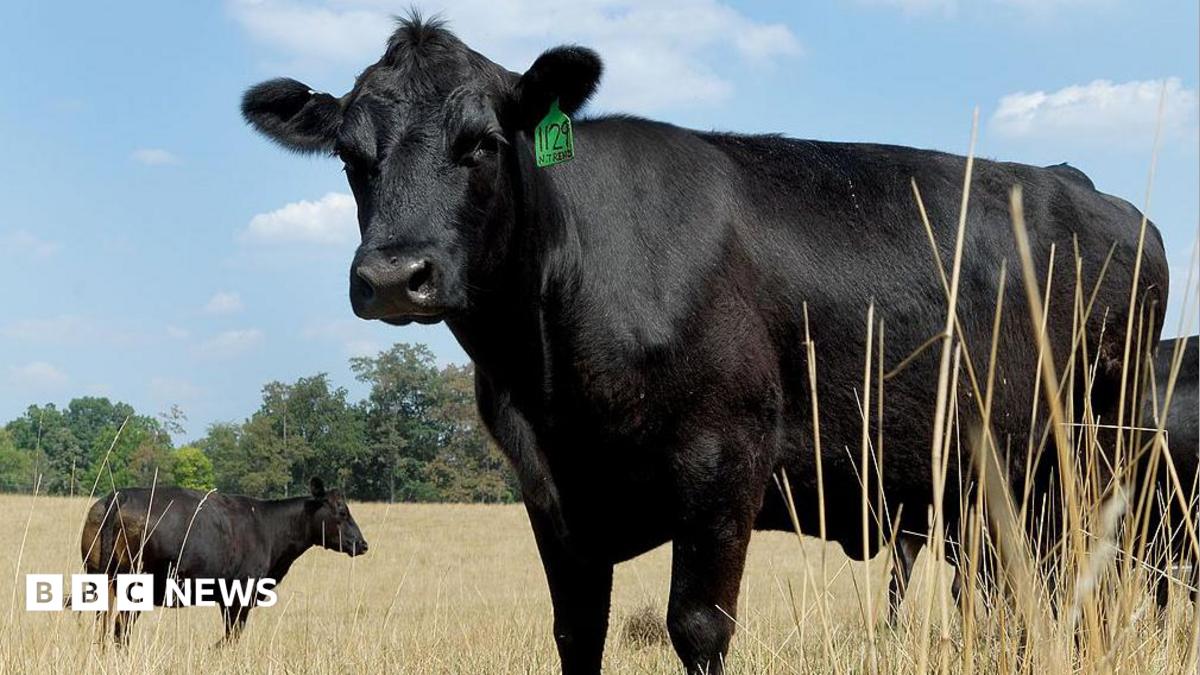
Beef prices in the United States have climbed to record levels, creating a significant financial burden for households. The primary driver of this trend is a contraction in the national cattle herd, which has reached its smallest size in decades. This reduction is largely attributed to prolonged drought conditions in key grazing regions, which forced many ranchers to liquidate their herds earlier than planned due to the high cost of feed and water.
While consumers are paying more at the checkout counter, the economic reality for the industry is complex. Industry analysts note that the increased retail price does not necessarily translate into higher profits for farmers or processors. Instead, the higher costs are being absorbed by rising operational expenses, including transportation, labor, and energy costs. Furthermore, the processing sector faces its own capacity constraints, which limits the volume of beef reaching the market and keeps upward pressure on prices.
There is a general consensus that the current supply-demand imbalance will not be resolved quickly. Rebuilding the cattle herd is a multi-year biological process, meaning that supply shortages are likely to persist in the near term. While some market observers suggest that consumer demand may eventually soften as prices remain elevated, current data shows that beef remains a staple in many American diets despite the record costs.
📡 Media Analysis
How each outlet framed the story — angles, word choices, and what they chose to push or ignore.
Focused on explaining the supply-side mechanics while clarifying that neither producers nor retailers are seeing a profit windfall.
"no-one is making more money"
🔍 What Nobody's Reporting
- ·Lack of data on whether large-scale meat processing conglomerates are maintaining profit margins through vertical integration.
- ·Absence of information regarding the impact of international trade policies or beef imports on domestic price stability.
📰 Sources
1 A-rated source(s) among 1 total. Lowest trust: BBC Business (A)