
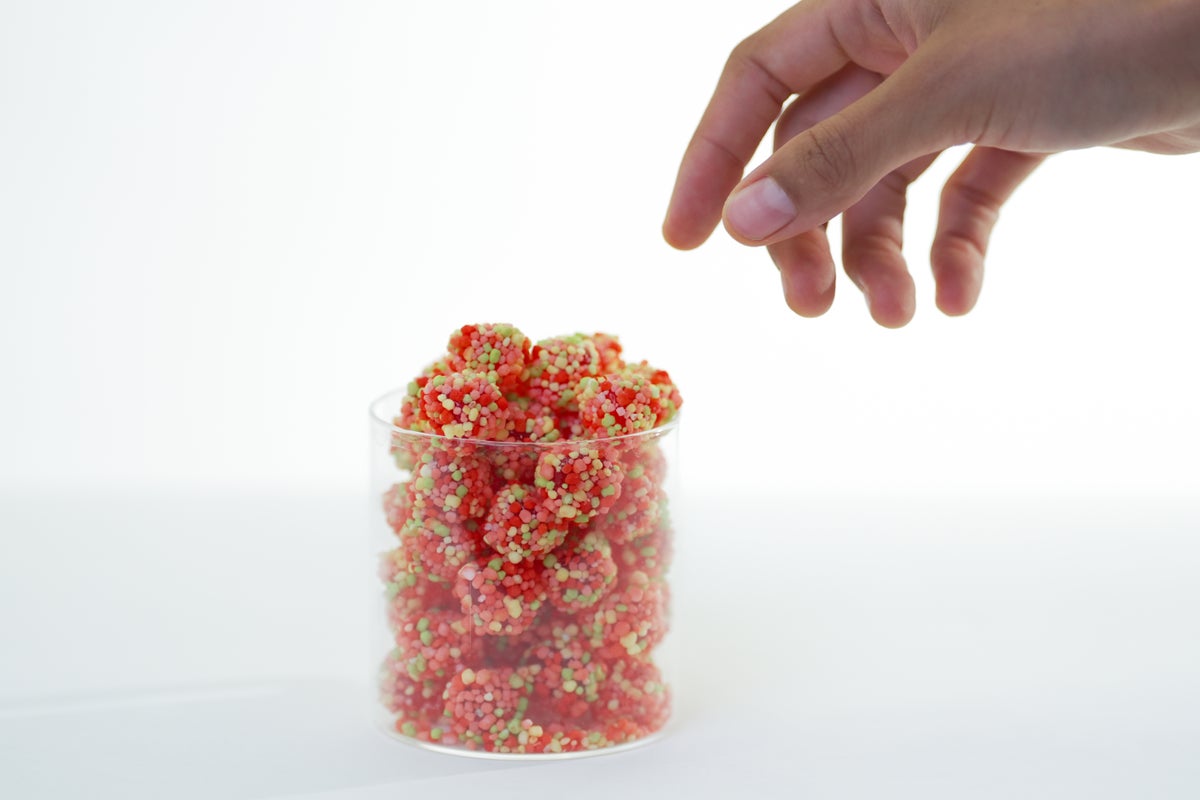
Food Industry Shifts Focus to 'Mouthfeel' to Enhance Consumer Experience
Food manufacturers are increasingly prioritizing 'mouthfeel'—the physical sensation of food in the mouth—alongside traditional flavor profiles. This strategic shift aims to meet growing consumer demand for specific textures, such as crunchiness or creaminess, in processed products.
The food industry is undergoing a notable shift in product development, placing a heightened emphasis on 'mouthfeel' as a primary driver of consumer satisfaction. While flavor has historically been the dominant factor in food design, manufacturers are now investing significant resources into engineering the tactile experience of eating. This includes manipulating the physical properties of food to achieve specific sensations, such as the satisfying snap of a crunchy snack or the viscous, smooth quality of a creamy dessert.
Industry analysts suggest that this focus is a response to evolving consumer preferences, where the sensory experience of texture is increasingly linked to product quality and enjoyment. By refining the structural composition of ingredients, companies aim to create more engaging eating experiences that go beyond simple taste. This trend reflects a broader move toward sensory-based marketing and product engineering, where the 'goo' or 'crunch' of a product is treated with the same technical rigor as its nutritional or flavor profile. As competition in the food sector intensifies, the ability to deliver a distinct and pleasurable mouthfeel is becoming a key differentiator for brands looking to retain customer loyalty in a crowded marketplace.
📡 Media Analysis
How each outlet framed the story — angles, word choices, and what they chose to push or ignore.
Used a casual, playful tone to introduce a technical industry trend to a general audience.
"Want more crunch when you munch or goo when you chew"
🔍 What Nobody's Reporting
- ·Lack of discussion regarding the health implications of processed ingredients used to achieve specific textures.
- ·Absence of data on the environmental impact of the industrial processes required to engineer these textures.
📰 Sources
0 A-rated source(s) among 1 total. Lowest trust: The Independent (B)