
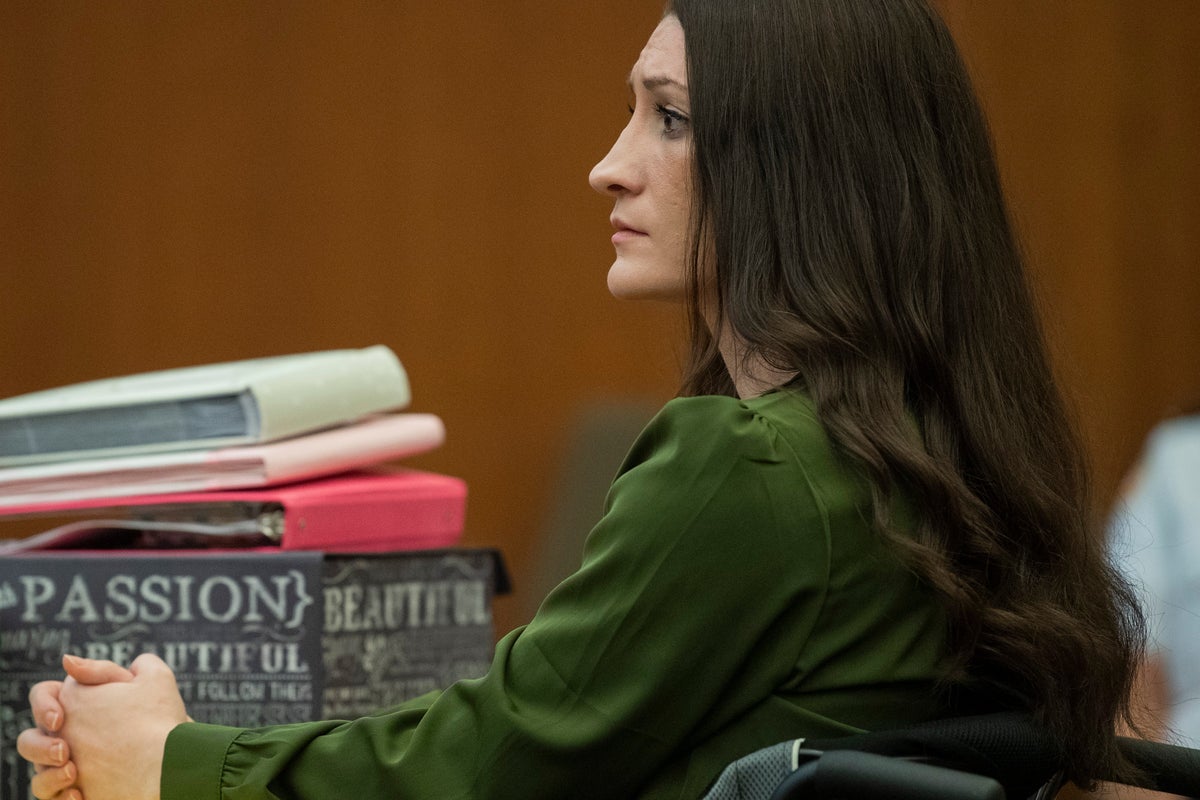
Forensic Psychologist Testifies on Lindsay Clancy's Mental State in Murder Trial
A forensic psychologist testifying for the defense has argued that Lindsay Clancy was not criminally responsible for the deaths of her three children. The testimony centers on the claim that her severe mental health struggles prevented her from understanding the wrongfulness of her actions.
In the ongoing legal proceedings regarding the deaths of Lindsay Clancy’s three children, a forensic psychologist has provided expert testimony supporting a defense of not criminally responsible. The defense argues that at the time of the incident, Clancy was suffering from a severe mental health crisis that rendered her unable to appreciate the nature or wrongfulness of her conduct.
This testimony is a critical component of the defense's strategy to establish that Clancy’s actions were the result of a profound psychological break rather than a premeditated criminal act. The forensic expert’s assessment focuses on the intersection of Clancy’s documented mental health history and the specific circumstances surrounding the tragedy. By asserting that she lacked the capacity to conform her behavior to the requirements of the law, the defense aims to shift the focus from traditional criminal culpability to a question of psychiatric impairment.
While this testimony highlights the defense's position, the prosecution has yet to present its full rebuttal or cross-examination of the expert. The legal standard for criminal responsibility in such cases often hinges on whether the defendant could distinguish right from wrong at the time of the offense. As the trial continues, the court will have to weigh this psychological evidence against the facts of the case to determine if the legal threshold for criminal responsibility was met.
📡 Media Analysis
How each outlet framed the story — angles, word choices, and what they chose to push or ignore.
Focused on the psychological defense narrative while framing the event as a mental health tragedy.
"didn't appreciate the “wrongfulness”"
⚡ Where Sources Disagree
- ·Whether the defendant's mental state at the time of the incident meets the legal definition of criminal responsibility.
🔍 What Nobody's Reporting
- ·Lack of perspective from the prosecution or victim advocates regarding the impact of the crimes.
- ·Absence of specific details regarding the forensic psychologist's methodology or credentials.
📰 Sources
0 A-rated source(s) among 1 total. Lowest trust: The Independent (B)