
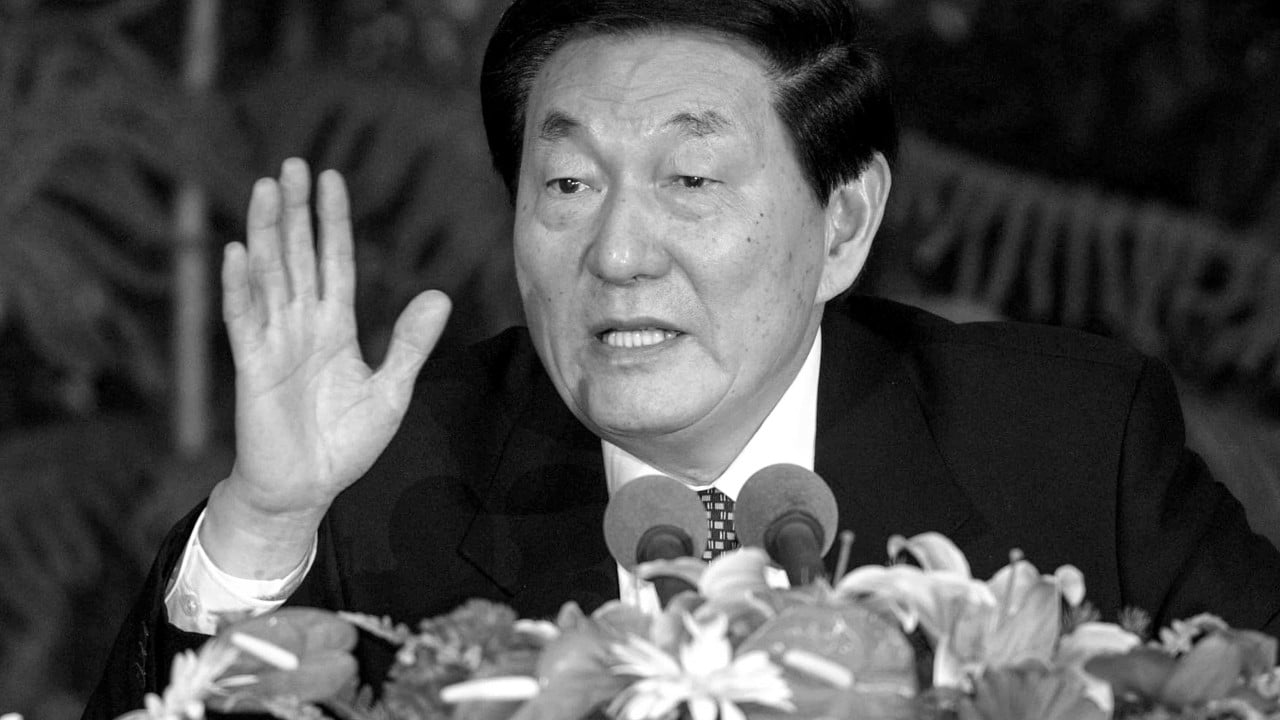
Former Chinese Premier Zhu Rongji Dies at Age 97
Zhu Rongji, who served as China's premier from 1998 to 2003, has passed away at the age of 97. He is widely recognized for his role in transitioning China toward a market-oriented economy and securing the nation's entry into the World Trade Organization.
Zhu Rongji, a central figure in China’s economic modernization, has died at the age of 97. Serving as premier during a pivotal period from 1998 to 2003, Zhu is credited with implementing structural reforms that fundamentally altered the country's economic landscape. His tenure was defined by a commitment to moving away from a strictly centrally planned model toward a more open, market-based system.
One of Zhu's most significant contributions was his aggressive overhaul of China’s state-owned enterprise (SOE) sector. By restructuring these entities, he aimed to increase efficiency and reduce the burden of inefficient, loss-making firms on the national budget. Additionally, Zhu was a key architect in the complex negotiations that led to China’s accession to the World Trade Organization (WTO) in 2001. This move integrated China into the global trading system, facilitating a period of rapid export-led growth and international investment.
Beyond economic restructuring, Zhu was known for his efforts to combat corruption within the government and bureaucracy. His approach to governance was often characterized by a pragmatic, results-oriented style that prioritized fiscal discipline and modernization. While his reforms were instrumental in China's rise as a global economic power, they also brought significant social disruption, as millions of workers were laid off during the downsizing of state-run industries. His legacy remains a subject of study for those analyzing China’s transition from a closed economy to a global powerhouse.
📡 Media Analysis
How each outlet framed the story — angles, word choices, and what they chose to push or ignore.
Focused on his legacy as a transformative economic architect and reformer.
"one of the greatest economic reforms in human history"
🔍 What Nobody's Reporting
- ·Lack of critical perspective on the social costs or unemployment caused by his SOE reforms.
- ·Absence of commentary from international observers or critics regarding his specific policy failures.
📰 Sources
0 A-rated source(s) among 1 total. Lowest trust: SCMP (B)