
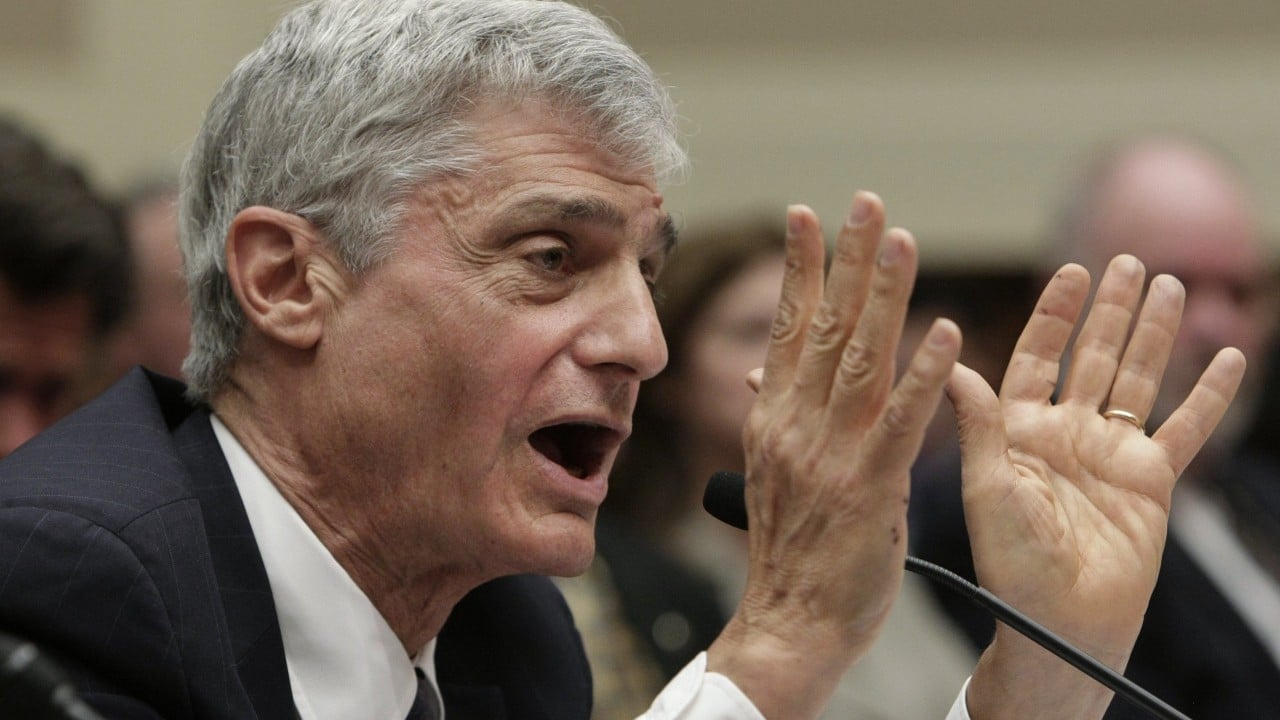
Former US Treasury Secretary Urges US-China AI Cooperation Based on Cold War Models
Robert Rubin, former US Treasury Secretary, has suggested that the US and China should apply Cold War-era arms control frameworks to manage the risks associated with artificial intelligence. He argues that despite mutual distrust, the two nations must find ways to cooperate on AI safety, similar to how the US and Soviet Union handled nuclear proliferation.
Market Narrative Detected
The narrative suggests that AI is a systemic risk comparable to nuclear war, positioning established political figures as the necessary architects of global safety. This benefits institutional stakeholders who prefer centralized regulation over decentralized or rapid technological development.
Robert Rubin, who served as Treasury Secretary during the Clinton administration, recently proposed that the United States and China adopt a collaborative approach to artificial intelligence governance. Drawing a parallel to the Strategic Arms Limitation Talks (SALT) of the Cold War, Rubin suggested that the current geopolitical rivalry between Washington and Beijing should not preclude cooperation on existential technological risks.
Rubin’s argument centers on the idea that AI, like nuclear weaponry, poses a global threat that requires superpower coordination to mitigate. By utilizing historical precedents of arms control, he believes both nations could establish guardrails that prevent the uncontrolled escalation of AI capabilities. While the current relationship between the two countries is defined by intense competition and mutual suspicion, Rubin maintains that the potential dangers of unmanaged AI necessitate a shift toward diplomatic engagement on the issue. The proposal emphasizes that even during periods of deep ideological conflict, superpowers have historically found it in their own interest to establish safety protocols for transformative technologies.
📡 Media Analysis
How each outlet framed the story — angles, word choices, and what they chose to push or ignore.
Focused on the historical parallel of arms control as a diplomatic solution to modern AI competition.
"put aside their mutual distrust"
🔍 What Nobody's Reporting
- ·Lack of input from current US or Chinese government officials regarding the feasibility of such a framework.
- ·Absence of technical details on what specific 'AI risks' are being prioritized for control.
- ·No discussion of how private sector AI companies, which drive much of the innovation, would be integrated into these government-level agreements.
📰 Sources
0 A-rated source(s) among 1 total. Lowest trust: SCMP (B)