
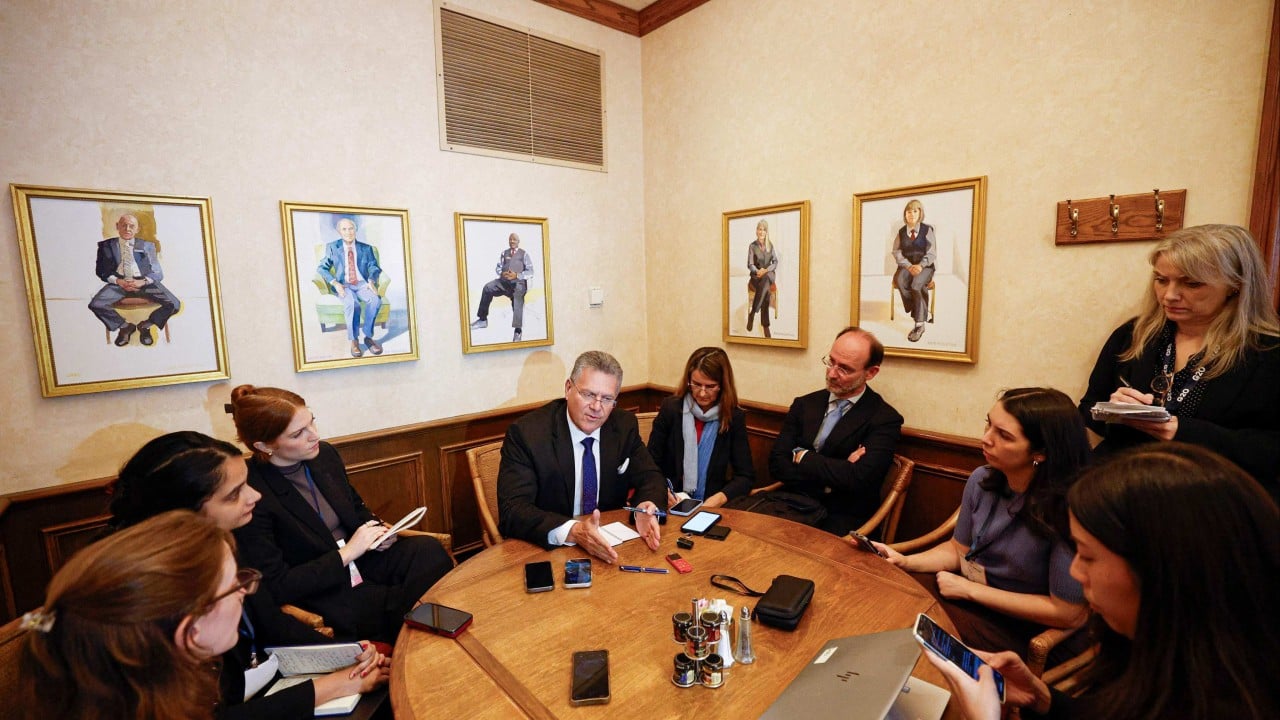
G20 Trade Ministers Remain Divided Over US Proposals to Curb Industrial Capacity
G20 trade ministers failed to reach a consensus on US-led proposals to address excess industrial capacity and non-market economic policies. Only Mexico and Argentina joined the US in supporting a statement focused on eliminating goods produced through forced labor.
A recent G20 trade meeting in Milwaukee has highlighted significant disagreements among major global economies regarding trade practices. The United States, which currently holds the G20 chair, pushed for a collective commitment to curb excess industrial capacity and address what it termed 'non-market' economic policies. According to the US Trade Representative’s office, these proposals were rejected by a 'handful' of member nations, revealing a lack of unity within the group.
The divide became further apparent following the meeting when the US attempted to secure support for a statement aimed at eliminating goods produced with forced labor. Only two countries, Mexico and Argentina, signed on to this initiative. The lack of broader support suggests that the US faces an uphill battle in aligning the G20 on its specific trade agenda, particularly concerning how to handle industrial overproduction and labor standards in global supply chains. While the US continues to advocate for these reforms as essential for fair trade, other member nations have signaled resistance, though the specific identities of the dissenting countries were not detailed in the initial reports. The outcome of the Milwaukee meeting underscores the ongoing friction between the US and several other G20 members regarding the future of international trade cooperation and the enforcement of market-based standards.
📡 Media Analysis
How each outlet framed the story — angles, word choices, and what they chose to push or ignore.
Focused on the diplomatic failure of the US to build a coalition at the G20 meeting.
"exposing divisions"
✓ Only outlet to report: Identified that the specific US-led statement that failed to gain traction was focused on goods produced with forced labor.
🔍 What Nobody's Reporting
- ·The specific arguments or reasons provided by the dissenting countries for rejecting the US proposals.
- ·The identities of the 'handful' of countries that opposed the US-led measures.
📰 Sources
0 A-rated source(s) among 1 total. Lowest trust: SCMP (B)