
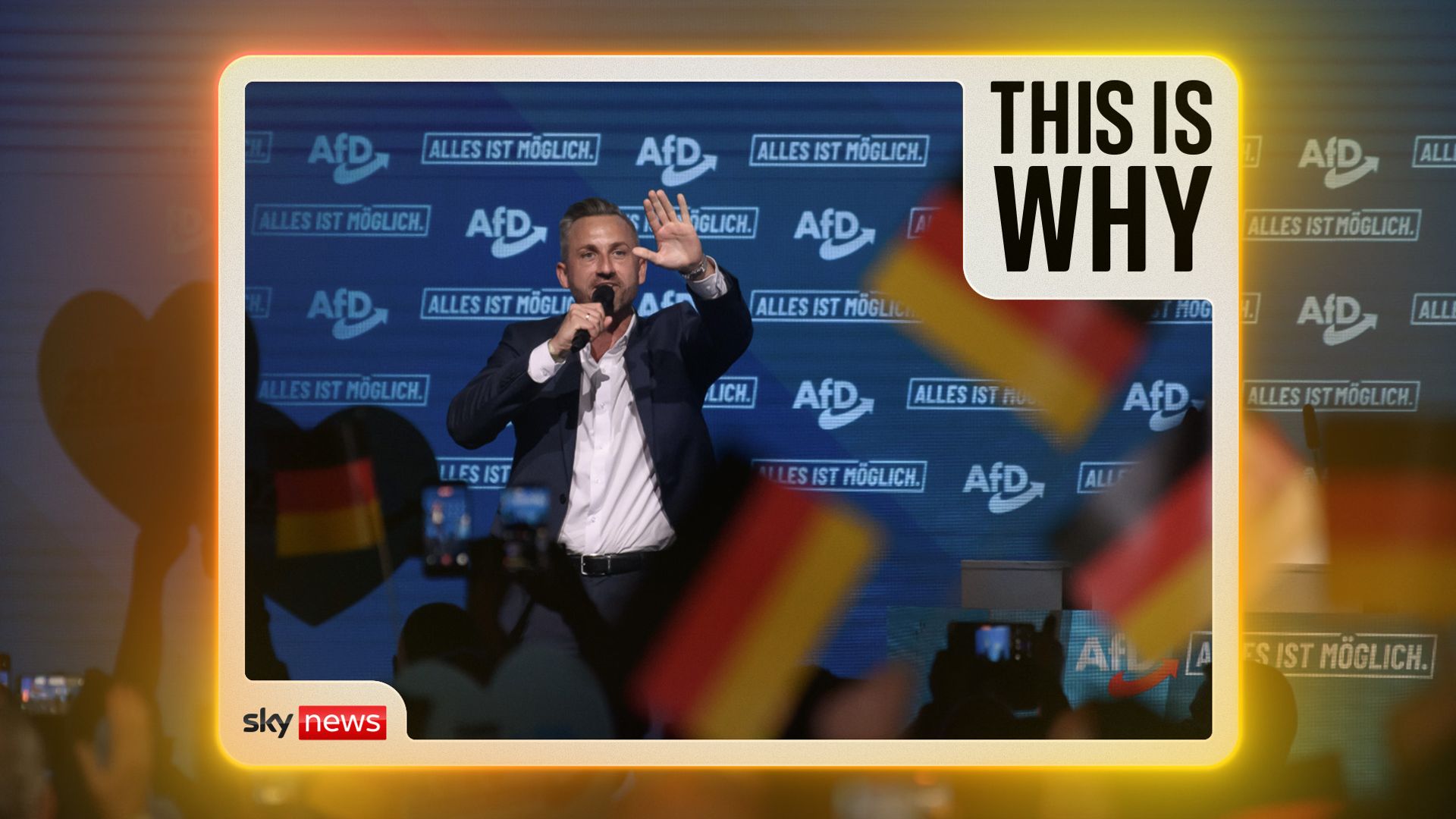
Germany's Far-Right AfD Party Faces Potential Historic Election Gains
The Alternative for Germany (AfD) party is polling at levels not seen for a far-right movement in the country since the post-World War II era. Analysts are examining the political shifts driving this surge in voter support across Germany.
The Alternative for Germany (AfD) party is currently experiencing a significant rise in voter support, positioning the group for what could be its most successful electoral performance since the end of World War II. Recent polling data indicates that the party has gained substantial momentum, challenging the traditional political establishment and sparking national debate regarding the future of German governance.
Political analysts attribute this trend to a combination of economic anxieties, concerns over immigration policies, and a general dissatisfaction with the current coalition government. While the AfD has historically been relegated to the political fringes, its recent polling numbers suggest it is becoming a mainstream force in several regions. Critics of the party often point to its nationalist rhetoric and controversial stances on European integration as primary reasons for concern. Conversely, supporters argue that the party provides a necessary alternative to mainstream policies that they believe have failed to address the needs of the working class.
There is ongoing debate regarding the implications of this surge. Some observers suggest that the rise of the AfD reflects a broader European trend of populism, while others view it as a specific reaction to domestic policy failures in Germany. As the country approaches upcoming elections, the potential for the AfD to secure a significant share of the vote has created uncertainty regarding future coalition-building and legislative stability. The party’s leadership maintains that their growth is a democratic mandate from citizens seeking change, while mainstream political parties are currently navigating how to respond to this shifting landscape without further alienating voters who feel ignored by the status quo.
📡 Media Analysis
How each outlet framed the story — angles, word choices, and what they chose to push or ignore.
Framed the rise of the party as a historic and potentially disruptive political event.
"verge of its biggest win"
⚡ Where Sources Disagree
- ·Whether the AfD's rise is a temporary protest vote or a permanent shift in the German political landscape.
🔍 What Nobody's Reporting
- ·Lack of specific polling data or regional breakdowns to explain where this support is concentrated.
- ·Absence of commentary from AfD leadership regarding their specific policy goals for a potential government role.
📰 Sources
0 A-rated source(s) among 1 total. Lowest trust: Sky News World (B)