
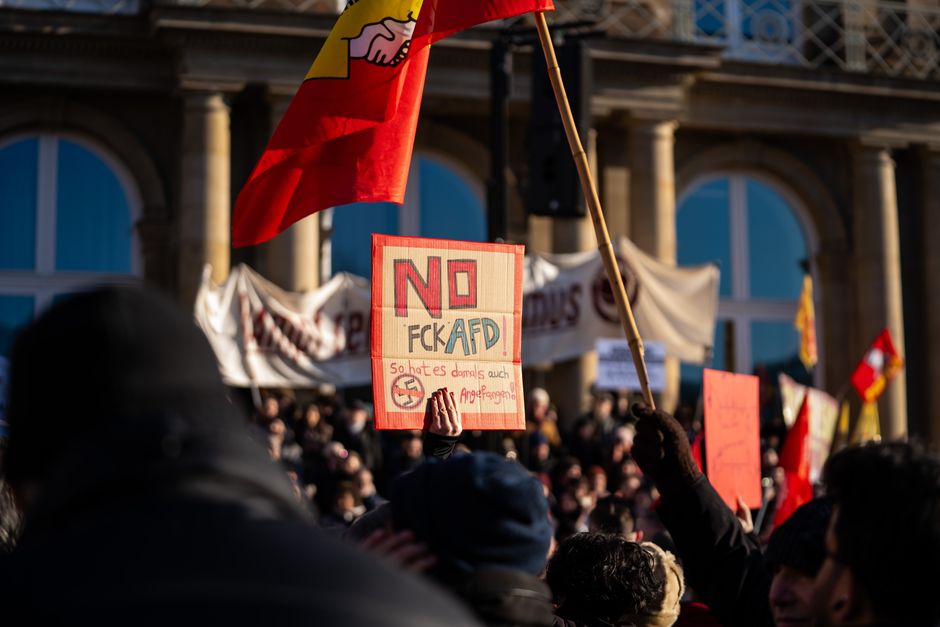
Germany's Far-Right Party Poised for Significant Gains in Upcoming State Elections
The Alternative for Germany (AfD) party is projected to secure substantial support in upcoming state elections. If realized, these results would represent the party's strongest electoral performance since the post-WWII era.
As Germany approaches its upcoming state elections, political analysts and media outlets are closely monitoring the Alternative for Germany (AfD). The party is currently polling at levels that suggest it could achieve its most significant electoral success since the end of the Second World War. This potential shift has drawn attention to the changing landscape of German politics, where the AfD has increasingly challenged the dominance of traditional mainstream parties.
While the specific electoral outcomes remain to be seen, the projected surge in support for the AfD highlights a growing divide in the German electorate. Supporters of the party often cite concerns regarding immigration, economic stagnation, and national identity as primary drivers for their political shift. Conversely, critics and mainstream political figures argue that the party’s platform promotes divisive rhetoric and threatens the democratic consensus that has defined German governance for decades. The debate centers on whether this rise reflects a legitimate democratic protest against current government policies or a concerning move toward nationalist extremism. As the election date nears, the focus remains on whether these polling numbers will translate into actual legislative power and how such a result might influence future coalition-building efforts at the state and national levels.
📡 Media Analysis
How each outlet framed the story — angles, word choices, and what they chose to push or ignore.
Framed the potential electoral success as a historic and alarming shift toward the far-right.
"poised to win most power since WWII"
⚡ Where Sources Disagree
- ·The extent to which the party's rise represents a democratic mandate versus a threat to democratic institutions.
🔍 What Nobody's Reporting
- ·Lack of specific polling data or regional context regarding which states are holding elections.
- ·Absence of perspectives from AfD voters explaining their motivations.
- ·Lack of commentary from mainstream party representatives regarding their strategy to counter the AfD.
📰 Sources
0 A-rated source(s) among 1 total. Lowest trust: Haaretz (B)