
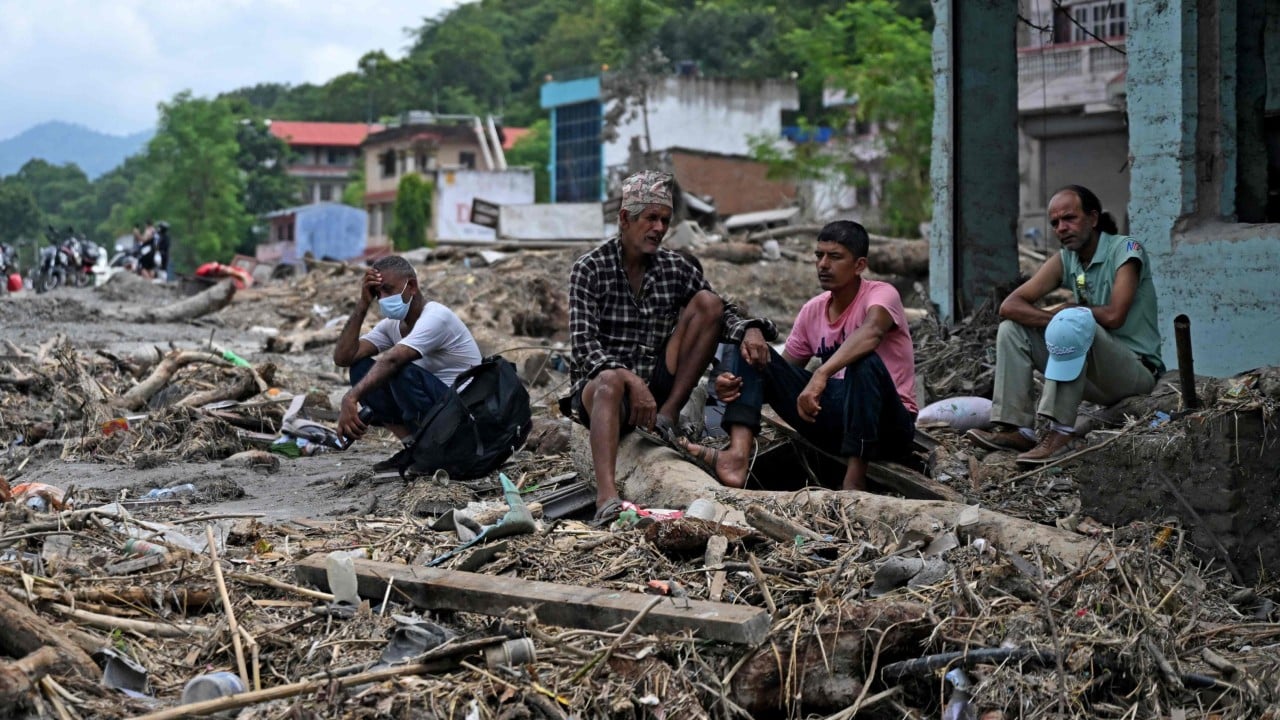
Glacial Collapse in Himalayas Causes Deadly Cross-Border Flooding and Mudslides
A massive glacial collapse in the Himalayas on August 26 triggered a high-speed mudslide that destroyed border facilities at Gyirong Port. The disaster has left hundreds of people missing, highlighting the increasing risks of climate-related geological events in the region.
On August 26, a significant section of a glacier situated at an altitude of over 5,000 meters on the Nepalese side of the Himalayas collapsed. The resulting debris, consisting of ice and rock, descended a steep valley at a velocity of approximately 50 meters per second. Within seven minutes, the mass transformed into a high-speed mudslide that struck the Gyirong Port, a critical border crossing point on the Chinese side of the frontier.
The impact of the mudslide was severe, resulting in the destruction of border infrastructure and facilities. Reports indicate that hundreds of individuals, including many travelers who were in the area at the time, remain missing. The event has drawn attention to the vulnerability of high-altitude border regions to climate-induced disasters, as warming temperatures increase the frequency of glacial instability. While the immediate focus remains on search and rescue operations, the incident serves as a stark reminder of the environmental challenges facing both Nepal and China in the Himalayan corridor. The rapid nature of the slide, which traveled from the point of collapse to the port in under ten minutes, left little time for warning or evacuation, complicating the ongoing emergency response efforts.
📡 Media Analysis
How each outlet framed the story — angles, word choices, and what they chose to push or ignore.
Focused on the geological mechanics of the disaster and the resulting humanitarian toll.
"obliterated the border facilities"
✓ Only outlet to report: Detailed the specific speed of the slide (50 meters per second) and the seven-minute timeframe between collapse and impact.
🔍 What Nobody's Reporting
- ·Lack of official statements or casualty confirmations from the Nepalese government.
- ·No information regarding the status of search and rescue operations or international aid coordination.
📰 Sources
0 A-rated source(s) among 1 total. Lowest trust: SCMP (B)