
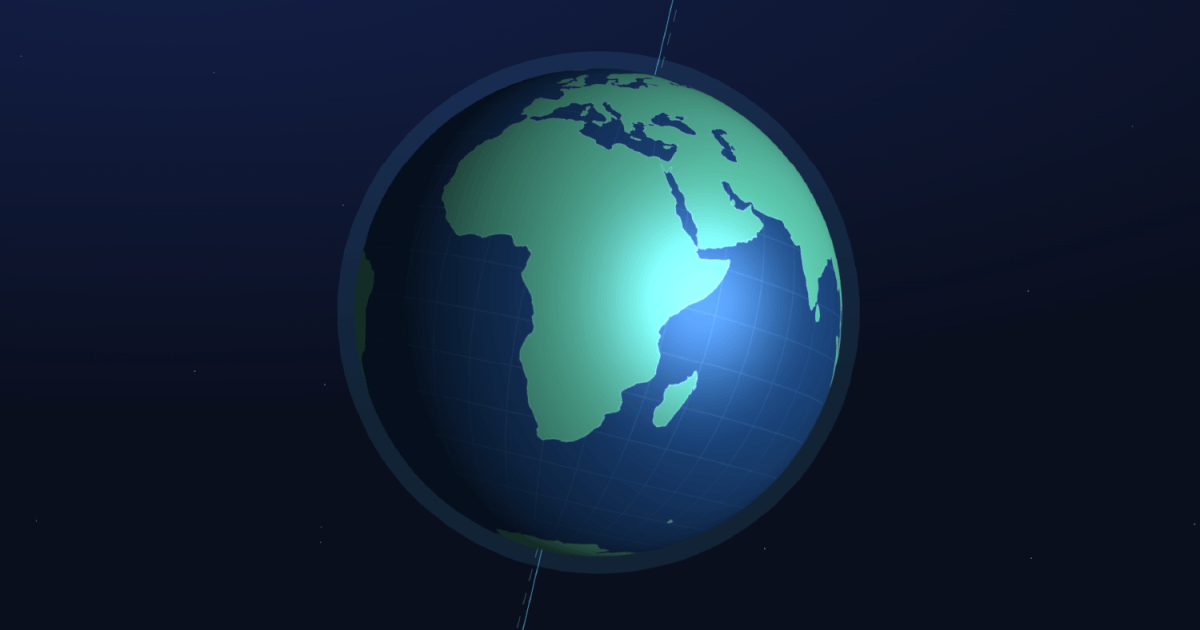
Global Timekeepers Consider Ending the Use of Leap Seconds
International authorities are debating whether to discontinue the practice of adding 'leap seconds' to official timekeeping. This adjustment is currently used to synchronize atomic clocks with the Earth's slightly irregular rotation.
For decades, the world has relied on leap seconds to bridge the gap between highly precise atomic clocks and the actual rotation of the Earth, which can fluctuate due to various geophysical factors. By occasionally adding a single second to Coordinated Universal Time (UTC), timekeepers ensure that our digital clocks remain aligned with solar time.
However, this practice is now under scrutiny. The primary point of contention involves the technical challenges leap seconds pose for modern digital infrastructure. While some argue that maintaining the link between atomic time and solar time is essential for astronomical and navigational accuracy, others suggest that the periodic adjustments cause significant disruptions to global computer networks, financial markets, and telecommunications systems that rely on seamless, continuous time synchronization.
There is no consensus yet on a permanent replacement for the current system. Proponents of ending the practice suggest that allowing the gap between atomic time and solar time to grow—potentially for centuries—is a manageable trade-off for the stability of digital systems. Conversely, critics warn that decoupling our timekeeping from the Earth's rotation could have unforeseen consequences for scientific research and long-term historical record-keeping. As the debate continues, international bodies are weighing the necessity of astronomical precision against the practical demands of a hyper-connected digital world.
📡 Media Analysis
How each outlet framed the story — angles, word choices, and what they chose to push or ignore.
Framed the potential change as a significant, permanent shift in how humanity tracks time.
"change forever"
⚡ Where Sources Disagree
- ·Whether the disruption to digital infrastructure outweighs the scientific value of maintaining solar-synchronized time.
🔍 What Nobody's Reporting
- ·Lack of specific details regarding which international organizations are leading the vote or proposal.
- ·Absence of a timeline for when a final decision on the leap second is expected.
📰 Sources
0 A-rated source(s) among 1 total. Lowest trust: Al Jazeera (B)