
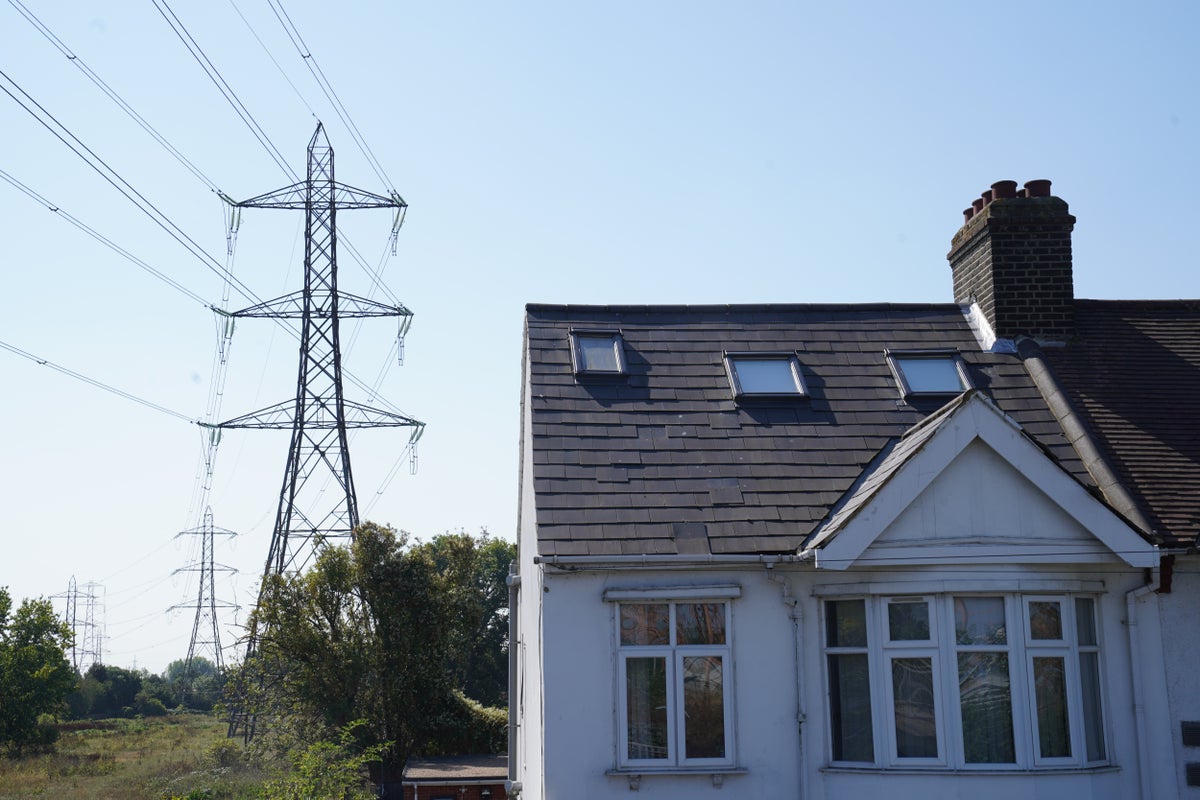
Government announces energy bill discounts for households near new pylon infrastructure
The government has unveiled a new scheme offering annual electricity bill discounts of £250 to households located near upgraded pylon infrastructure. Eligible residents will receive these payments automatically through their energy suppliers.
The UK government has introduced a financial compensation scheme, often referred to as 'pounds for pylons,' aimed at households situated in close proximity to major electricity infrastructure upgrades. Under the new policy, residents living within 1,600 feet of upgraded pylons will be eligible for a £250 annual reduction on their electricity bills.
According to official statements, the process is designed to be seamless for the consumer. Most eligible households will not need to apply for the discount; instead, the credit will be applied automatically to their electricity accounts every six months by their respective energy suppliers. The initiative is part of a broader effort to mitigate the local impact of expanding the national energy grid to accommodate new power sources.
While both The Independent and BBC Business confirm the £250 figure and the automatic nature of the payments, they differ slightly in how they contextualize the announcement. The Independent frames the news as a potential cost-of-living relief measure for thousands of households, whereas the BBC focuses on the specific geographic criteria, noting the 1,600-foot proximity requirement as a central component of the policy rollout.
📡 Media Analysis
How each outlet framed the story — angles, word choices, and what they chose to push or ignore.
Framed the policy primarily as a financial benefit for households to ease cost-of-living pressures.
"save up to £250 a year"
Focused on the technical criteria and the specific 'pounds for pylons' branding of the infrastructure project.
"within 1600ft of upgraded pylons"
✓ Only outlet to report: Specified the 1,600-foot distance requirement for eligibility.
🔍 What Nobody's Reporting
- ·The total number of households expected to qualify for the scheme.
- ·The timeline for when these infrastructure upgrades and subsequent payments will begin.
📰 Sources
1 A-rated source(s) among 2 total. Lowest trust: The Independent (B)