
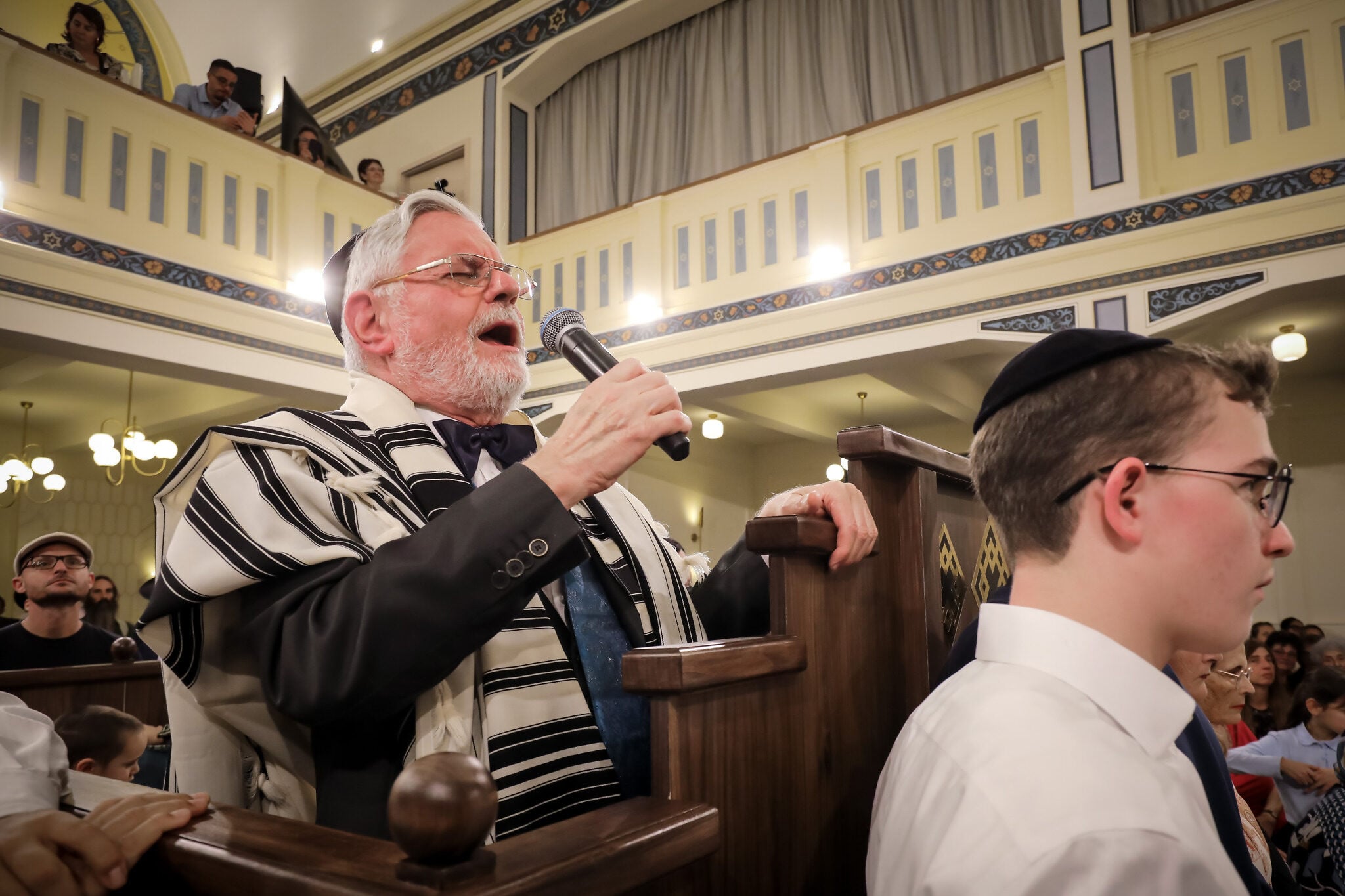
Historic Budapest Synagogues Reopen Following Decades of Secular Use
Two historic synagogues in Budapest have officially reopened for religious services after being used for secular purposes for decades. The project is part of a broader initiative led by the Chabad movement to revitalize Jewish heritage and community engagement in Hungary.
In a significant development for Budapest’s Jewish community, two historic synagogue buildings have been restored to their original religious function. For many years, these sites had been repurposed for secular activities, a common fate for many religious structures in the region following the political and social shifts of the 20th century. The reopening is being spearheaded by the Chabad movement, which aims to provide spaces for worship and community building for both local residents and visitors.
The initiative focuses on reconnecting modern Hungarian Jews with their cultural and religious history. By transforming these previously abandoned or repurposed spaces back into active houses of worship, organizers hope to foster a sense of continuity. While the buildings have undergone physical renovations to accommodate modern safety and functional requirements, the effort emphasizes the preservation of the original architectural character of the sites. The project has begun to attract new congregants, signaling a potential shift in the local landscape for Jewish religious life. As these spaces return to their intended use, they serve as both functional community centers and historical landmarks, highlighting the ongoing efforts to reclaim and maintain Jewish heritage in Central Europe.
📡 Media Analysis
How each outlet framed the story — angles, word choices, and what they chose to push or ignore.
Focused on the cultural restoration and the positive growth of the Jewish community.
"reconnect Hungarian Jews with their heritage"
✓ Only outlet to report: Identified the specific role of the Chabad movement in leading the restoration efforts.
🔍 What Nobody's Reporting
- ·Lack of information regarding the specific secular uses of the buildings prior to their return to religious service.
- ·No perspective provided from local secular groups or historical preservationists who may have been using the spaces previously.
📰 Sources
0 A-rated source(s) among 1 total. Lowest trust: Times of Israel (B)