
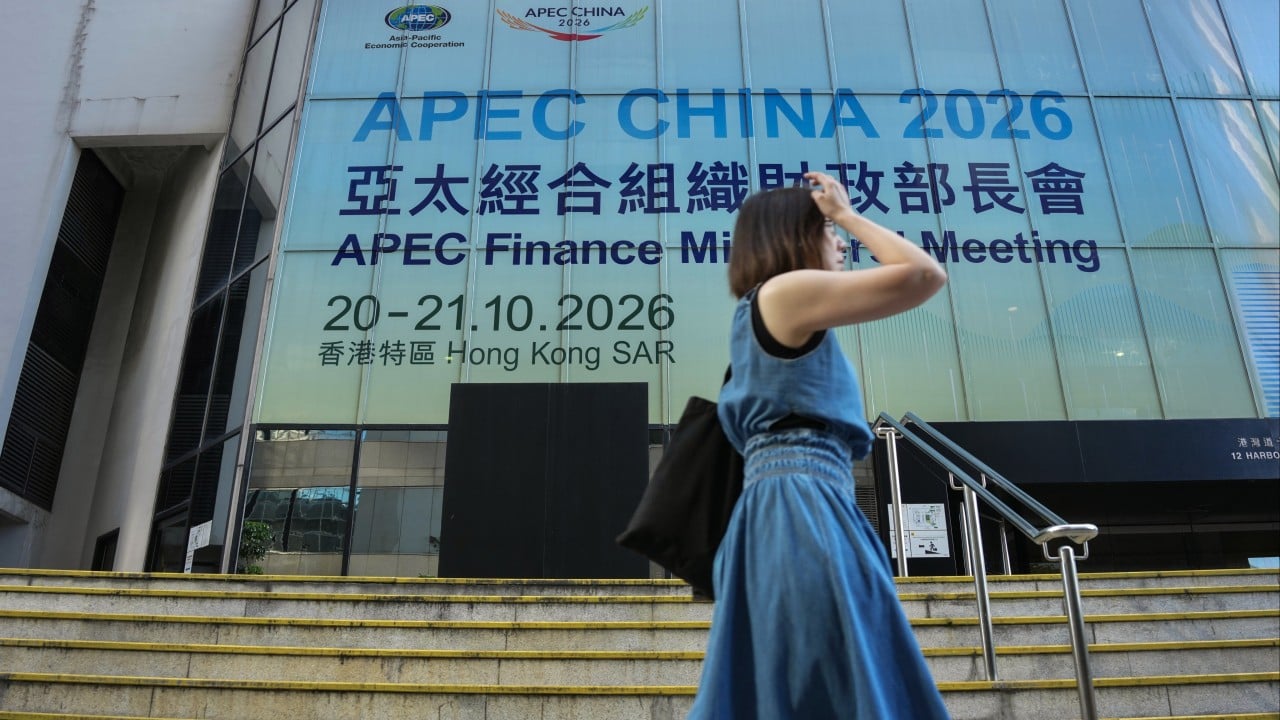
Hong Kong Aims to Expand Role as Hub for Yuan-Denominated Sovereign Bonds
Hong Kong officials are positioning the city as a primary destination for sovereign debt issuers to raise capital in yuan. The initiative seeks to leverage competitive fundraising costs and market diversification to attract Asia-Pacific Economic Cooperation (APEC) member nations.
Market Narrative Detected
The narrative suggests that Hong Kong is a stable, cost-effective, and essential hub for the global adoption of the yuan. This benefits the Hong Kong financial sector and the Chinese government by increasing the international utility and demand for their currency.
Hong Kong is actively promoting its financial infrastructure to attract sovereign borrowers to issue debt in the Chinese yuan, commonly referred to as 'dim sum bonds.' During the APEC Finance Ministerial Meeting, officials highlighted the city's market depth and the potential for issuers to benefit from lower fundraising costs compared to traditional developed markets.
The strategy focuses on positioning the city as a strategic hub for risk diversification. By courting sovereign entities from APEC member nations, Hong Kong aims to solidify its status as a gateway for international capital looking to access yuan-denominated assets. Proponents of the move suggest that the current interest rate environment makes yuan-denominated debt an attractive alternative for governments seeking to manage their balance sheets more efficiently. While the initiative is framed as a natural evolution of the city’s financial services sector, it also serves to increase the international usage of the yuan, aligning with broader Chinese economic policy goals to internationalize the currency.
📡 Media Analysis
How each outlet framed the story — angles, word choices, and what they chose to push or ignore.
Focused on the strategic growth of Hong Kong's financial sector and its alignment with APEC goals.
"opening its arms to more sovereign debt issuers"
🔍 What Nobody's Reporting
- ·Lack of discussion regarding the potential risks of yuan currency volatility for sovereign borrowers.
- ·Absence of analysis on how this initiative competes with or complements existing debt hubs like Singapore or London.
- ·No mention of the geopolitical tensions that might discourage certain APEC members from increasing their reliance on yuan-denominated debt.
📰 Sources
0 A-rated source(s) among 1 total. Lowest trust: SCMP (B)