
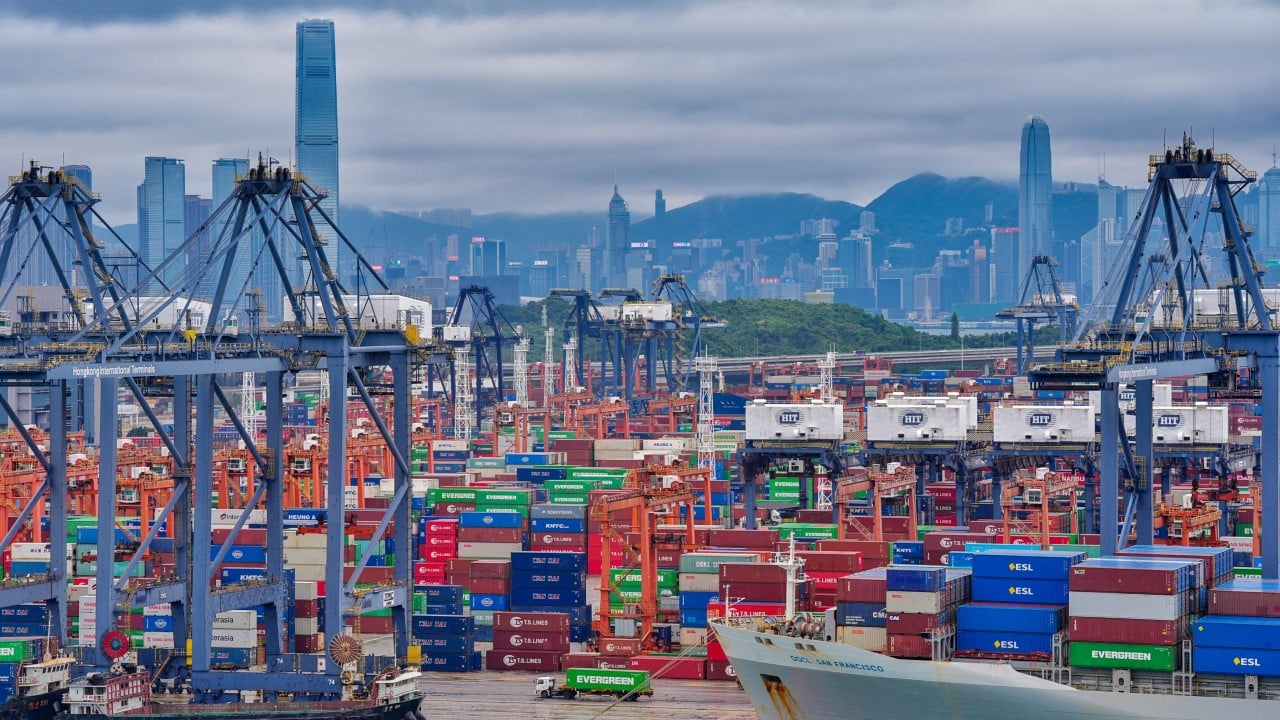
Hong Kong Finance Chief Says US Trade Policy Impact Is Primarily Psychological
Hong Kong Financial Secretary Paul Chan stated that while US trade and interest rate shifts affect the local economy, the impact remains largely psychological. The government recently raised its 2026 economic growth forecast to between 3.5 and 4.5 percent.
Market Narrative Detected
The narrative suggests that Hong Kong's economy is robust enough to withstand global volatility, benefiting the government by maintaining investor confidence and social stability.
Hong Kong’s Financial Secretary, Paul Chan Mo-po, recently addressed concerns regarding the potential economic fallout from shifting US trade policies and interest rate trends. During a radio appearance, Chan characterized the impact of these external factors on Hong Kong as being "primarily psychological" rather than structural or immediate.
This assessment follows the Hong Kong government’s decision to upgrade its full-year economic growth forecast for 2026, now projecting a range of 3.5 to 4.5 percent. Chan expressed confidence that the city’s current growth momentum will persist throughout the second half of the year, despite the uncertainty surrounding global trade dynamics. While the Financial Secretary acknowledged that US policy changes are a factor in the local economic landscape, his comments were intended to reassure the public and investors that the city's underlying economic fundamentals remain resilient. The government's upward revision suggests a positive outlook, though the reliance on the "psychological" nature of external shocks highlights the sensitivity of Hong Kong's trade-dependent economy to international sentiment.
📡 Media Analysis
How each outlet framed the story — angles, word choices, and what they chose to push or ignore.
Reported the government's optimistic outlook while framing external threats as manageable.
"primarily psychological"
🔍 What Nobody's Reporting
- ·Lack of specific data or evidence explaining why the impact is deemed 'psychological' rather than material.
- ·Absence of independent analyst perspectives to counter or support the government's optimistic forecast.
- ·No mention of specific US trade policies or interest rate scenarios being referenced.
📰 Sources
0 A-rated source(s) among 1 total. Lowest trust: SCMP (B)