
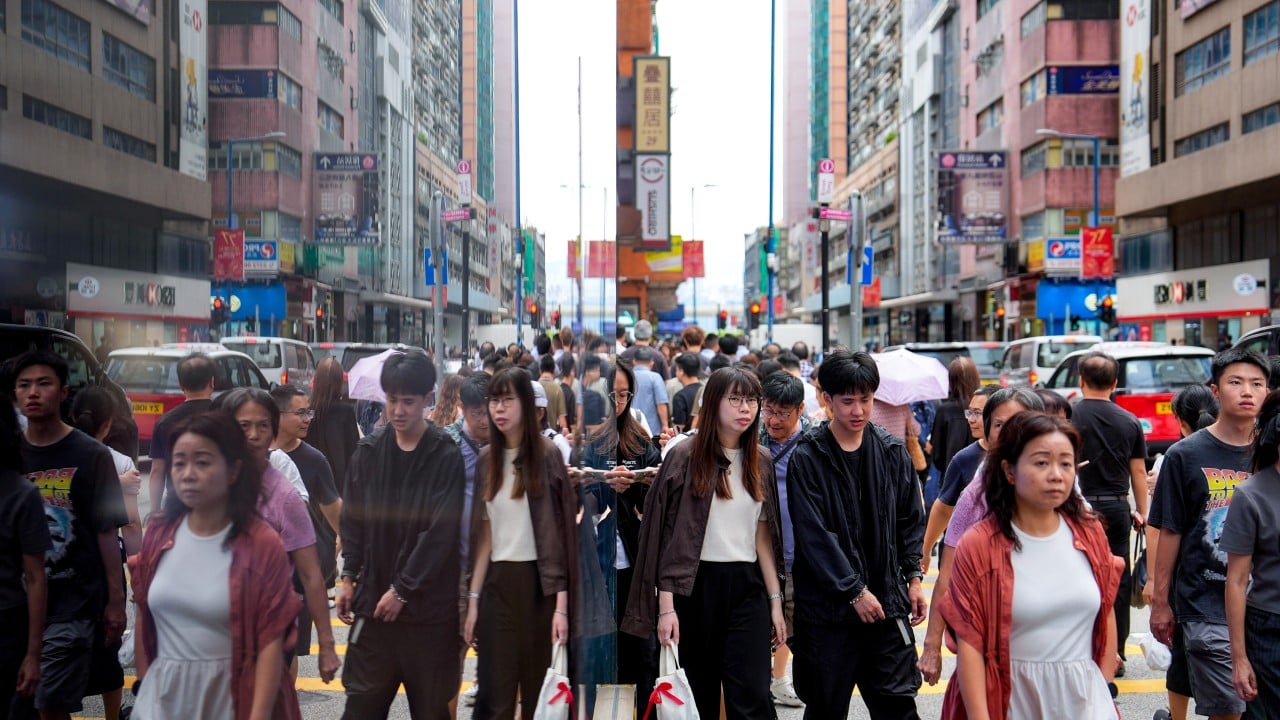
Hong Kong's Generation Y reports lowest happiness levels due to economic strain
A recent survey by HK.WeCare indicates that Hong Kong residents aged 30 to 45 are the city's least happy demographic. The findings highlight ongoing dissatisfaction with housing affordability and broader economic conditions.
Market Narrative Detected
The narrative suggests that Hong Kong's economic structure is failing its most productive age demographic, which benefits political or social advocacy groups seeking to pressure the government for housing reform.
A survey conducted by the non-profit platform HK.WeCare has identified Generation Y—defined as adults aged 30 to 45—as the unhappiest age group in Hong Kong. The study, which polled 1,039 adults, calculated an overall Hong Kong Happiness Index of 5.87 out of 10. While this figure represents a slight upward trend since 2024, it remains below the 'passing' threshold for the fourth year in a row.
The research points to specific structural challenges as the primary drivers of this discontent. Respondents frequently cited the high cost of housing and general economic pressures as the most significant factors impacting their well-being. The data suggests that while the city has seen minor improvements in sentiment, the core issues affecting the financial stability of middle-aged residents remain largely unresolved.
While the survey provides a snapshot of public sentiment, it does not offer a comprehensive breakdown of how different socioeconomic tiers within Generation Y experience these pressures differently. The report focuses on the aggregate index score, leaving the specific policy implications or potential government responses to these findings unaddressed in the current data set.
📡 Media Analysis
How each outlet framed the story — angles, word choices, and what they chose to push or ignore.
Reported the survey findings as a straightforward reflection of local economic hardship.
"remained below the passing level for a fourth consecutive year"
✓ Only outlet to report: Identified the specific age range (30-45) and the organization behind the poll (HK.WeCare).
🔍 What Nobody's Reporting
- ·Lack of detail on how the survey methodology accounts for potential bias in self-reported happiness.
- ·Absence of government or developer perspectives regarding the housing market constraints mentioned.
- ·No comparison data provided for other age groups to contextualize why Gen Y is specifically more impacted than older or younger generations.
📰 Sources
0 A-rated source(s) among 1 total. Lowest trust: SCMP (B)