
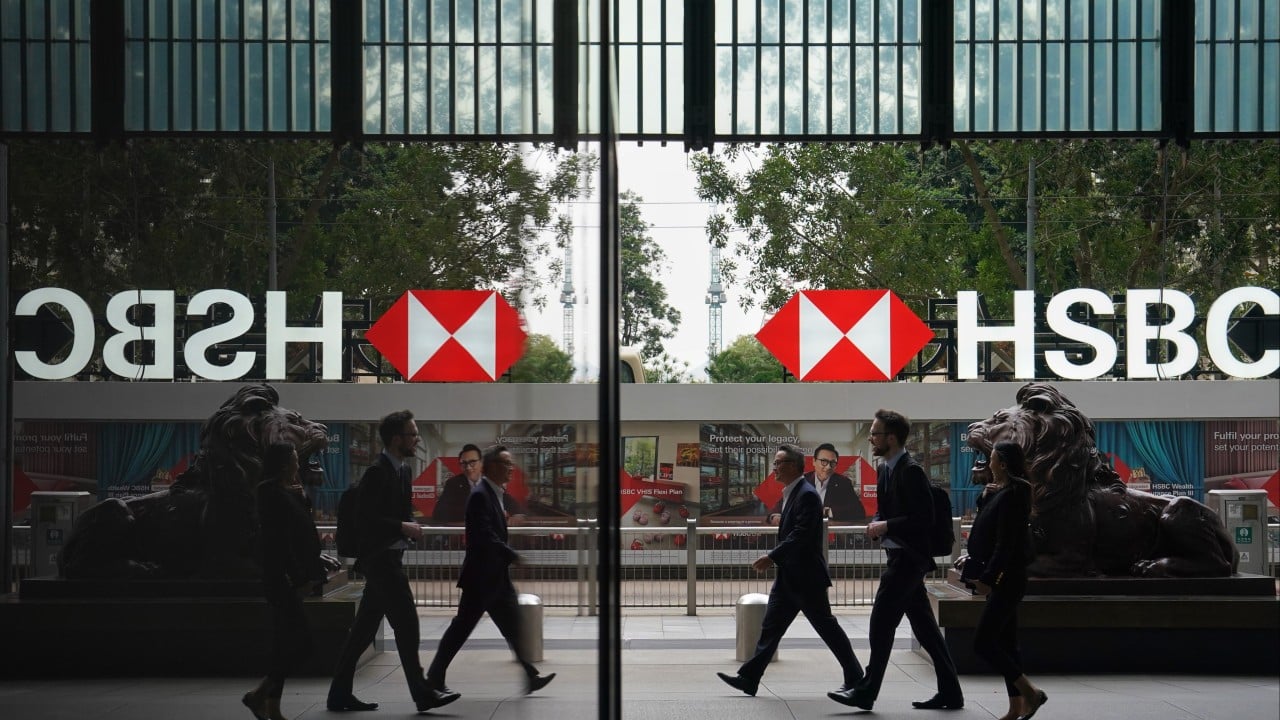
HSBC Reports 32% Profit Growth and Announces $1 Billion Share Buy-back
HSBC announced a significant increase in third-quarter pre-tax profits, reaching $9.6 billion compared to $7.3 billion in the same period last year. The bank also confirmed a $1 billion share buy-back program, meeting market expectations.
Market Narrative Detected
The narrative is that HSBC is a stable, reliable performer meeting market expectations, which benefits current shareholders and encourages institutional investment. The media focuses on the buy-back to signal confidence, while potentially distracting from broader macroeconomic risks.
HSBC, the largest lender in Hong Kong, released its third-quarter financial results on Tuesday, showing a 32% increase in pre-tax profits. The bank reported $9.6 billion in profit, a notable rise from the $7.3 billion recorded during the same quarter in the previous year. This performance was largely consistent with analyst projections, which had estimated a profit of approximately $9.7 billion.
In addition to the earnings report, HSBC announced a share buy-back program totaling $1 billion. This move was also anticipated by market analysts, aligning with their prior estimates for the quarter. The bank’s leadership has framed these results as a sign of continued financial stability, though the report provided limited detail on the specific operational drivers behind the profit surge. As the company continues to navigate global economic shifts, the buy-back serves as a mechanism to return capital to shareholders, a common strategy for major financial institutions looking to maintain investor confidence during periods of growth.
📡 Media Analysis
How each outlet framed the story — angles, word choices, and what they chose to push or ignore.
Reported the raw financial figures and corporate actions without adding speculative commentary.
"in-line with US$9.7 billion estimated by analysts"
🔍 What Nobody's Reporting
- ·Lack of detail on what specific business segments drove the 32% profit increase.
- ·No mention of potential risks or headwinds that could impact future quarters.
- ·Absence of context regarding how this profit growth compares to the bank's long-term strategic goals.
📰 Sources
0 A-rated source(s) among 1 total. Lowest trust: SCMP (B)