
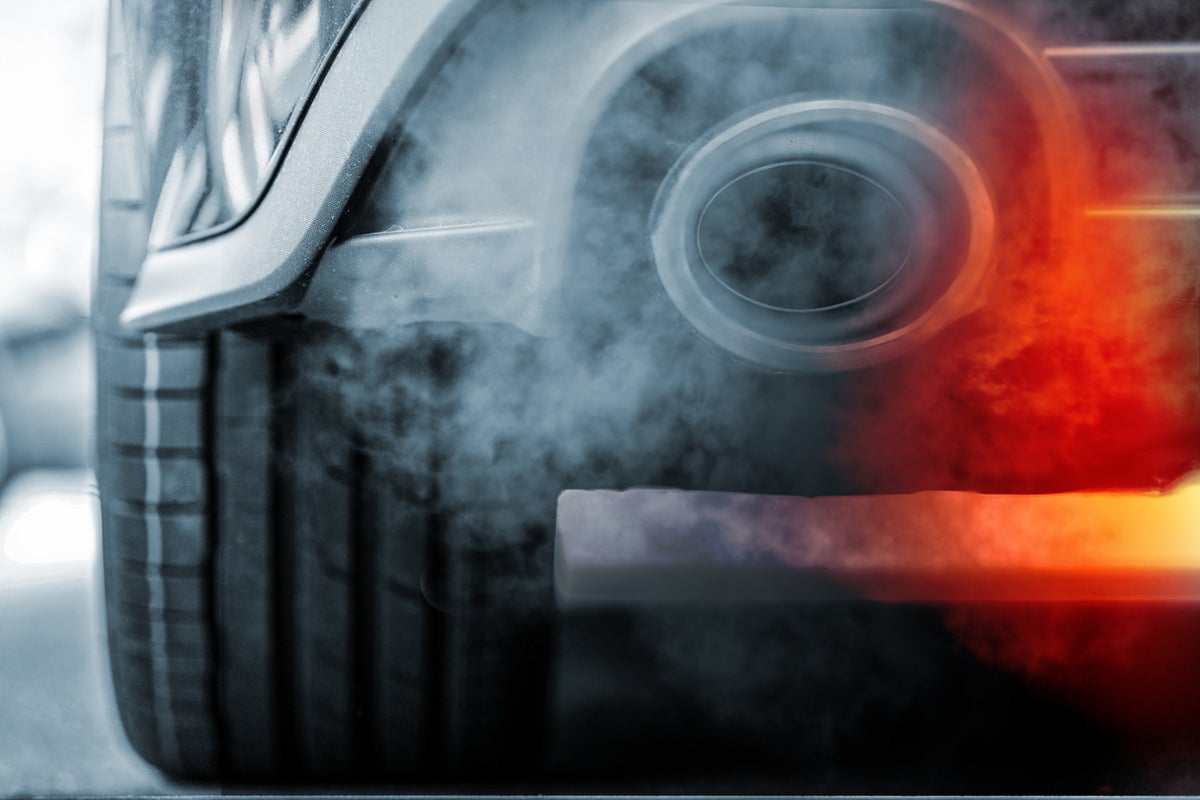
The Impact of Vehicle Idling on Engine Health and Fuel Efficiency
Recent reports clarify that idling a vehicle does not provide the mechanical benefits often attributed to it. Experts suggest that turning off the engine is more efficient than leaving it running while stationary.
There is a common misconception among many drivers that keeping a vehicle’s engine running while stationary—known as idling—is better for the engine than turning it off and restarting it. However, automotive experts and recent reports indicate that modern engine technology has rendered this belief outdated. Frequent starting and stopping of an engine no longer causes the excessive wear and tear that older vehicles experienced, meaning that idling provides no mechanical advantage for engine longevity.
Beyond mechanical wear, the practice of idling has significant implications for fuel consumption and environmental impact. When a vehicle is idling, it consumes fuel without moving the car, leading to unnecessary emissions and wasted energy. While some drivers may choose to idle to maintain cabin temperature or out of habit, the consensus among mechanics is that turning the engine off is the more cost-effective and environmentally responsible choice for most short stops. The Independent notes that the practice does not help an engine last longer, contradicting the long-held belief that frequent restarts are more damaging than letting the engine run idle.
📡 Media Analysis
How each outlet framed the story — angles, word choices, and what they chose to push or ignore.
Focused on debunking a mechanical myth to encourage more efficient driving habits.
"does not help an engine last longer"
⚡ Where Sources Disagree
- ·Whether frequent engine restarts cause significant long-term damage compared to idling.
🔍 What Nobody's Reporting
- ·Lack of specific data regarding fuel savings per minute of idling.
- ·Absence of information on extreme weather conditions where idling might be necessary for safety (e.g., defrosting).
📰 Sources
0 A-rated source(s) among 1 total. Lowest trust: The Independent (B)