
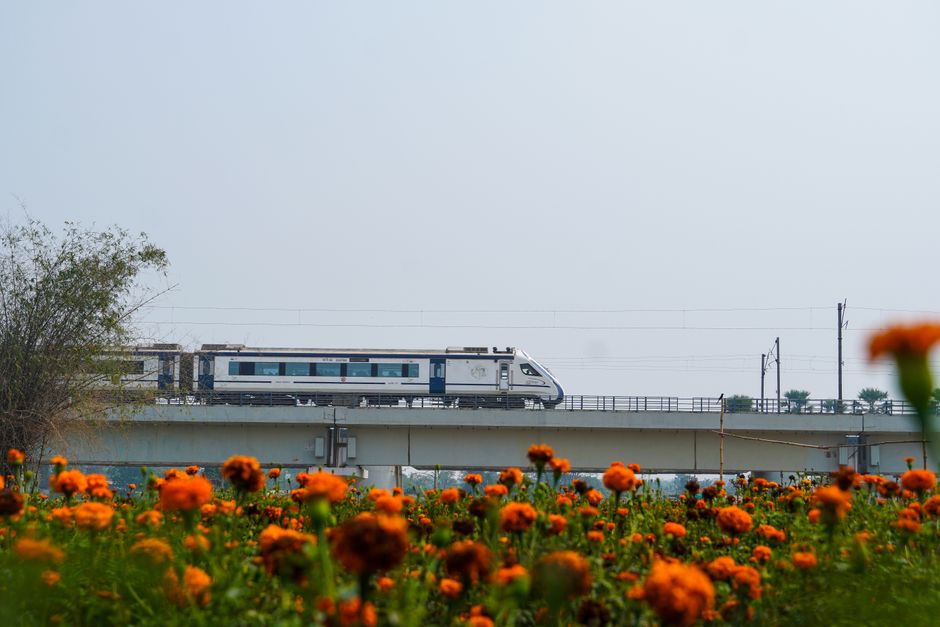
India Launches Trial Run of First Vande Bharat Freight Train
India has officially commenced trial runs for its first Vande Bharat freight train, a high-speed logistics initiative. During initial testing, the train reached speeds of 145 kilometers per hour.
The Indian railway network has entered a new phase of logistics development with the launch of the first Vande Bharat freight train trial. Designed to modernize the transport of goods, the train is modeled after the existing Vande Bharat passenger series, which is known for its high-speed capabilities. During its inaugural trial run, the freight unit successfully reached a speed of 145 kilometers per hour, signaling a significant shift toward faster, more efficient cargo movement across the country.
While the Vande Bharat brand is primarily recognized by the public for its premium passenger services, this freight variant aims to reduce transit times for time-sensitive goods. The project is part of a broader government strategy to upgrade rail infrastructure and increase the average speed of freight trains, which have historically been slower than passenger services. By utilizing the aerodynamic design and advanced braking systems of the Vande Bharat platform, officials hope to provide a more reliable alternative to traditional freight transport. No specific timeline for the full commercial rollout has been announced, as the train must first complete a series of rigorous safety and performance tests under various load conditions. The success of these trials will determine how quickly the service can be integrated into the national logistics grid.
📡 Media Analysis
How each outlet framed the story — angles, word choices, and what they chose to push or ignore.
Focused on the technical milestone and speed achievement of the new rail project.
"hits 145 kmph"
✓ Only outlet to report: Reported the specific top speed achieved during the initial trial run.
🔍 What Nobody's Reporting
- ·Lack of information regarding the projected cost of the project.
- ·No details provided on the specific types of cargo the train is intended to carry.
- ·Absence of a projected timeline for when the service will be available for commercial use.
📰 Sources
0 A-rated source(s) among 1 total. Lowest trust: Indian Express (B)