
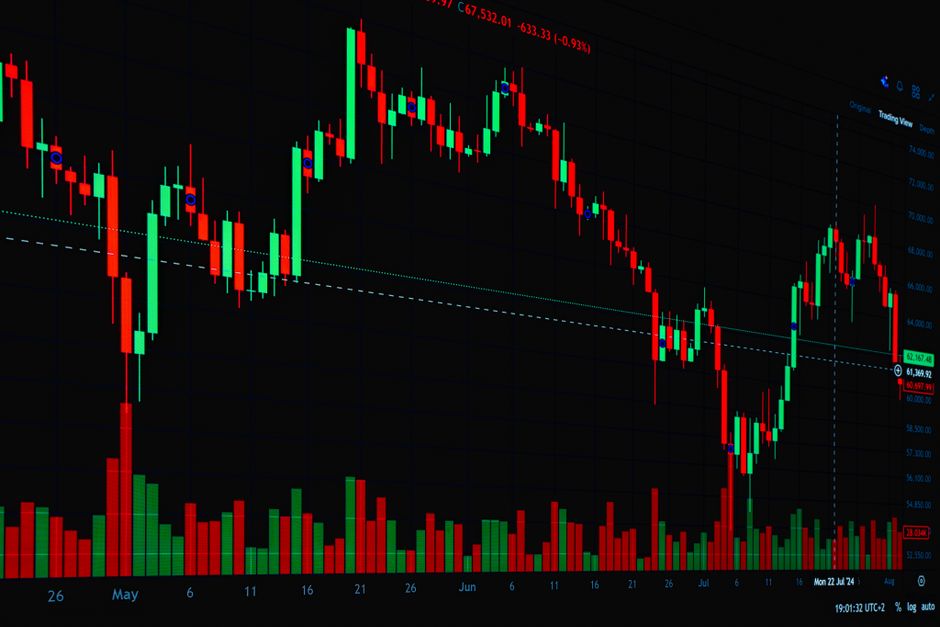
Indian Stock Market Faces Selling Pressure from Foreign Investors
Foreign institutional investors are currently net sellers in the Indian equity market. Domestic institutional investors are acting as a counterweight by continuing to purchase shares.
Market Narrative Detected
The media is pushing a narrative of 'market uncertainty' to drive engagement from retail investors anxious about their portfolios. This benefits financial platforms by keeping users checking prices and seeking advice during periods of volatility.
The Indian stock market is currently experiencing a period of volatility driven by a shift in foreign investment patterns. Recent data indicates that foreign institutional investors (FIIs) have been offloading Indian equities, contributing to downward pressure on stock prices. This trend has raised questions among retail investors regarding whether to increase their market exposure or exit their positions.
Conversely, domestic institutional investors (DIIs) have maintained a consistent presence, acting as a stabilizing force by purchasing shares during this period of foreign selling. While the market is seeing a divergence in behavior between these two groups, the overall impact on market liquidity and price discovery remains a primary focus for analysts. The current situation highlights the ongoing tug-of-war between international capital outflows and local market confidence, with no clear consensus on the short-term direction of the indices.
📡 Media Analysis
How each outlet framed the story — angles, word choices, and what they chose to push or ignore.
Framed the market movement as a binary choice for retail investors between buying the dip or exiting.
"Should You Buy More Or Exit"
🔍 What Nobody's Reporting
- ·Lack of specific data on the volume or percentage of foreign sell-offs compared to historical averages.
- ·No mention of the underlying macroeconomic factors (e.g., interest rates, inflation) driving the foreign investor exit.
- ·Absence of commentary on which specific sectors are being hit hardest by the foreign sell-off.
📰 Sources
0 A-rated source(s) among 1 total. Lowest trust: NDTV (B)