
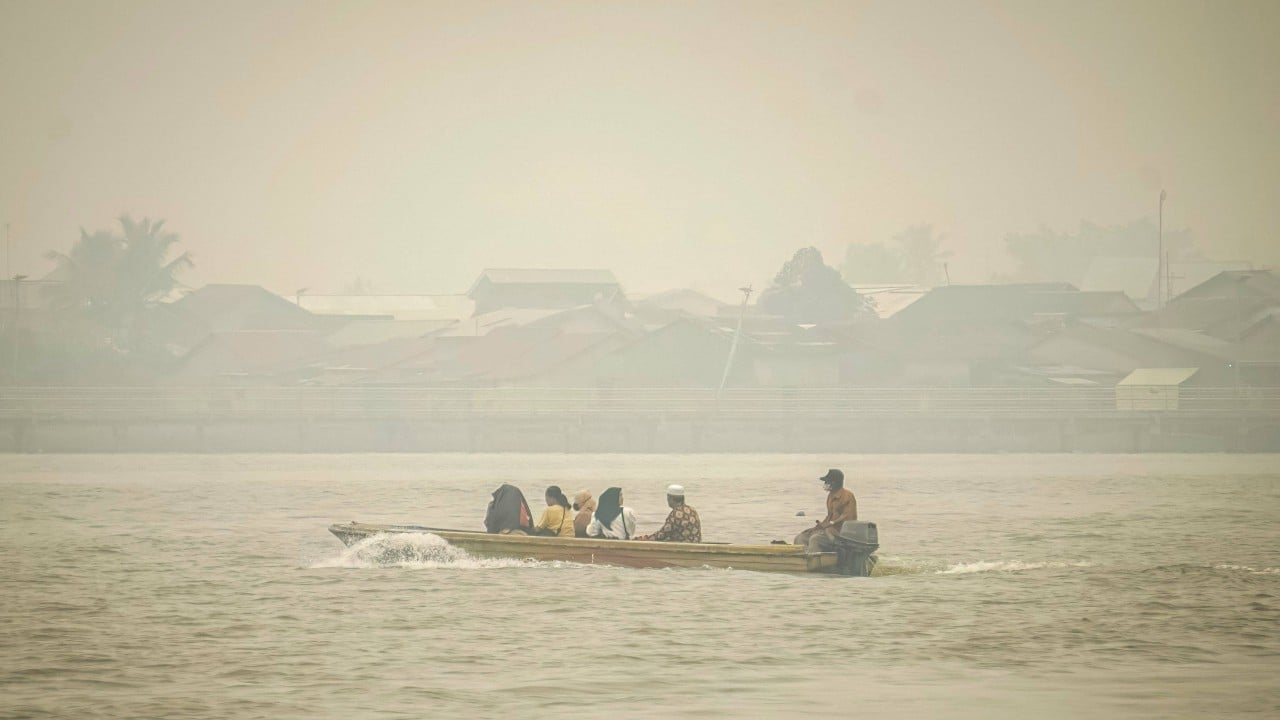
Indonesian Residents Face Health Risks as Wildfires Create Severe Haze
Residents in Borneo are experiencing significant health issues due to thick haze caused by ongoing forest fires. The crisis is being exacerbated by the El Niño climate phenomenon, which has intensified dry conditions across the region.
Residents in Pontianak, the capital of West Kalimantan on Indonesia’s Borneo Island, are currently enduring a severe health crisis caused by thick, acrid haze from widespread forest fires. Local citizens report physical symptoms including stinging eyes and persistent headaches, expressing frustration over their inability to escape the hazardous air quality. The smoke has blanketed the region, forcing many to remain indoors while waiting for the conditions to improve.
Experts and officials attribute the intensity of these fires to the El Niño climate phenomenon, which has brought prolonged dry weather to Southeast Asia. This environmental event has made the forests particularly vulnerable to ignition, complicating efforts to contain the blazes. While the fires are a recurring issue in the region, the current scale of the haze has prompted concerns about the long-term impact on public health and the environment. The situation remains fluid as authorities monitor the fires, which continue to ravage large swathes of the island, affecting not only Indonesia but also neighboring Malaysia and Brunei.
📡 Media Analysis
How each outlet framed the story — angles, word choices, and what they chose to push or ignore.
Focused on the immediate human suffering and the environmental cause of the haze.
"acrid haze"
🔍 What Nobody's Reporting
- ·Lack of specific data on current air quality index (AQI) levels.
- ·No information provided regarding government response or emergency relief efforts.
📰 Sources
0 A-rated source(s) among 1 total. Lowest trust: SCMP (B)