
International Tensions Rise Following Recent Ballistic Missile Activity
The United States and global allies are calling for mandatory 24-hour advance notice for ballistic missile launches following recent Chinese and North Korean testing. These diplomatic efforts occur as regional military authorities report multiple missile launches in the Pacific.
A coalition of nations, led by the United States, has issued a formal demand for a 24-hour notification window for all ballistic missile launches. This diplomatic push follows intense scrutiny of China, which recently conducted an intercontinental ballistic missile (ICBM) test without providing prior warning to neighboring countries or international partners. The U.S. State Department spearheaded the statement, which includes support from allies across Europe, Asia, and the Middle East, aiming to establish a new norm of transparency to prevent accidental escalation.
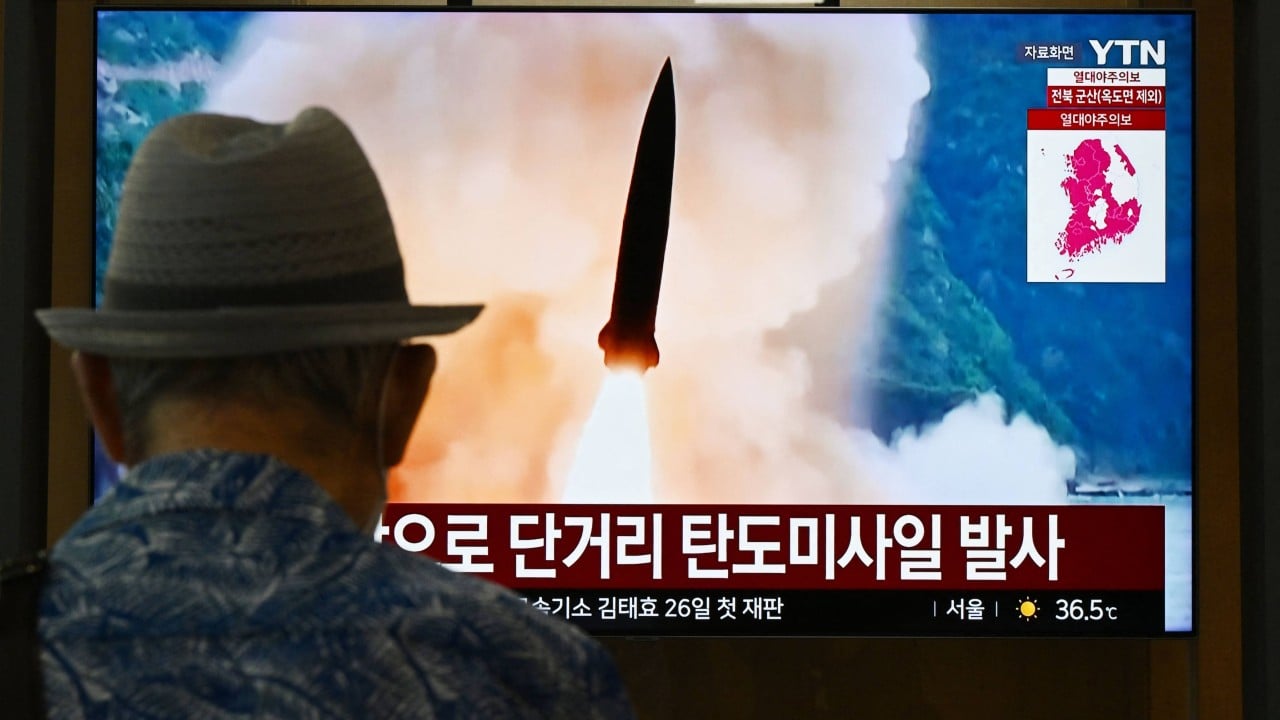
Simultaneously, regional military tensions have been exacerbated by North Korea’s recent weapons testing. According to Japan’s Defence Ministry, North Korea launched a suspected ballistic missile toward the sea on Wednesday, marking the second such event in less than a week. South Korea’s military, as cited by the Yonhap news agency, confirmed the launch of an unidentified projectile off the country’s east coast. While Japanese officials reported that the projectile landed outside of Japan’s exclusive economic zone (EEZ), the frequency of these launches has heightened security concerns among regional powers.
While the Washington Examiner focuses on the diplomatic fallout and the U.S.-led effort to regulate global missile testing, the South China Morning Post (SCMP) focuses on the immediate tactical reports from Japan and South Korea regarding North Korean activity. There is a clear distinction in the narrative focus: one outlet frames the issue as a global policy challenge regarding China, while the other frames it as a localized security threat involving North Korea.
📡 Media Analysis
How each outlet framed the story — angles, word choices, and what they chose to push or ignore.
Framed the story as a diplomatic confrontation with China over transparency.
"under Washington scrutiny"
✓ Only outlet to report: Reported that the U.S. State Department led the coalition statement.
Focused on the technical details of the North Korean launch and regional military reporting.
"suspected ballistic missile"
✓ Only outlet to report: Provided specific details on the landing location relative to Japan's exclusive economic zone.
🔍 What Nobody's Reporting
- ·The connection between the U.S.-led notification demand and the specific North Korean launches is not explicitly linked by either source.
- ·Lack of official response from Beijing or Pyongyang regarding the new notification demand.
📰 Sources
0 A-rated source(s) among 2 total. Lowest trust: Washington Examiner (C)