
The Intersection of Influencer Culture and Democratic Campaign Strategy
Democratic candidates are increasingly navigating the risks of engaging with controversial online influencers to reach younger voters. This strategy has sparked debate regarding the potential political liabilities associated with figures known for provocative commentary.
As Democratic campaigns look to capture the attention of younger, digitally native voters, some candidates have turned to high-profile streamers and online personalities to boost their visibility. This approach, however, has introduced new challenges, as the inflammatory rhetoric often associated with "edgelord" internet culture can clash with the traditional image of a political campaign.
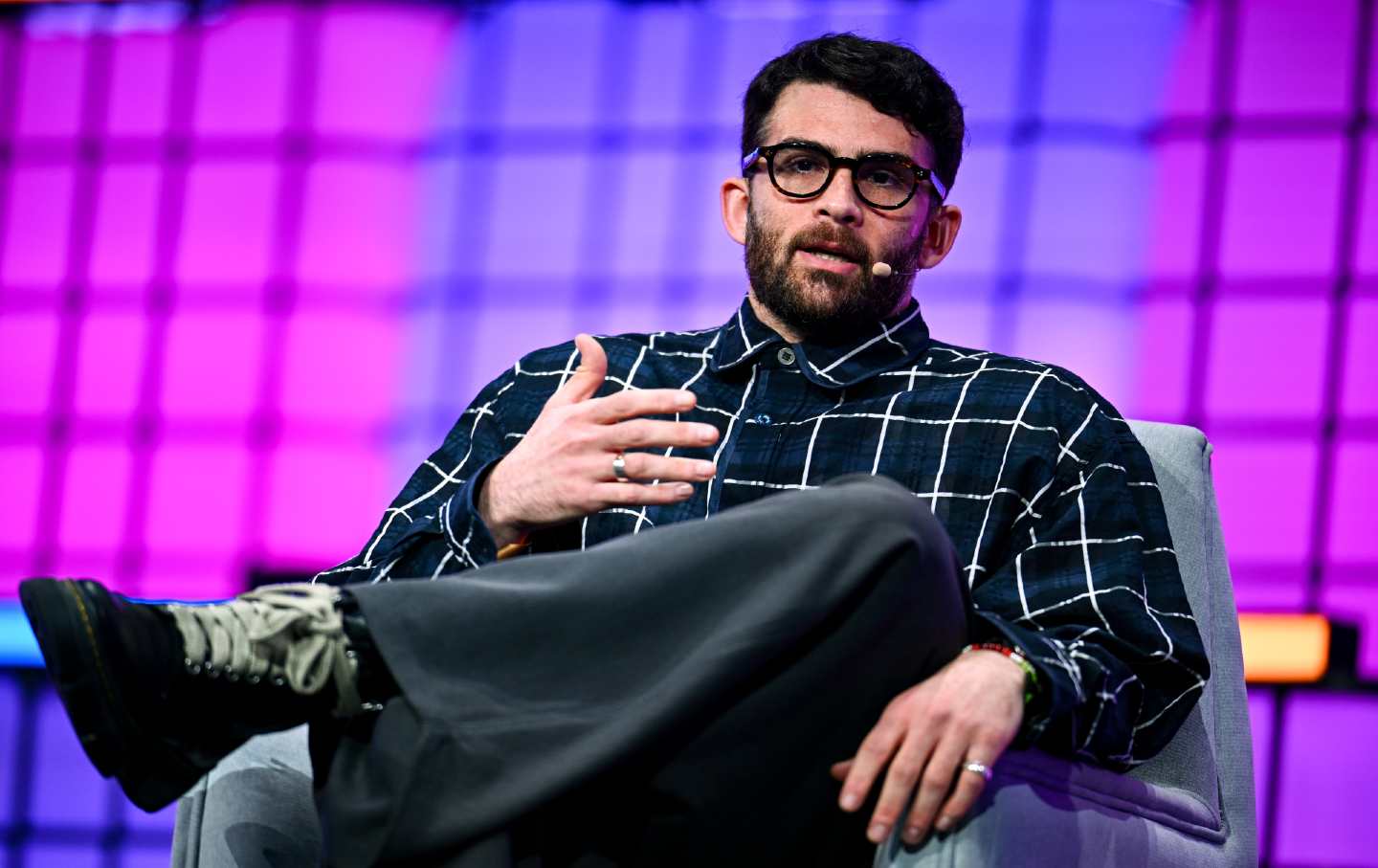
The Nation reports that Michigan Senate candidate Abdul El-Sayed faced significant scrutiny due to his association with popular gaming streamer Hasan Piker. Piker, known for his commentary on political and social issues, frequently utilizes provocative language that has drawn both a dedicated following and intense criticism. For campaigns, the dilemma lies in balancing the need for authentic engagement with a demographic that spends significant time online against the risk of being linked to controversial statements or behaviors that may alienate broader voter bases.
While supporters argue that these partnerships are essential for mobilizing a younger generation that feels disconnected from mainstream media, critics suggest that the lack of editorial control over these influencers creates a liability. The situation highlights a broader trend in modern politics where the lines between political activism, entertainment, and digital influence are increasingly blurred. As campaigns continue to experiment with these platforms, they must weigh the benefits of viral reach against the potential for public relations crises that can arise when an influencer’s personal brand conflicts with the candidate’s platform.
📡 Media Analysis
How each outlet framed the story — angles, word choices, and what they chose to push or ignore.
Framed the situation as a calculated but risky strategic trade-off for modern political campaigns.
"terminally online"
✓ Only outlet to report: Identified the specific tension between Michigan candidate Abdul El-Sayed and his association with Hasan Piker.
⚡ Where Sources Disagree
- ·Whether engaging with controversial influencers is a necessary evolution of campaigning or a strategic error that damages candidate credibility.
🔍 What Nobody's Reporting
- ·Lack of perspective from the influencers themselves regarding their role in political campaigns.
- ·Absence of data or polling showing how these associations actually affect voter turnout or candidate favorability.
📰 Sources
0 A-rated source(s) among 1 total. Lowest trust: The Nation (B)