
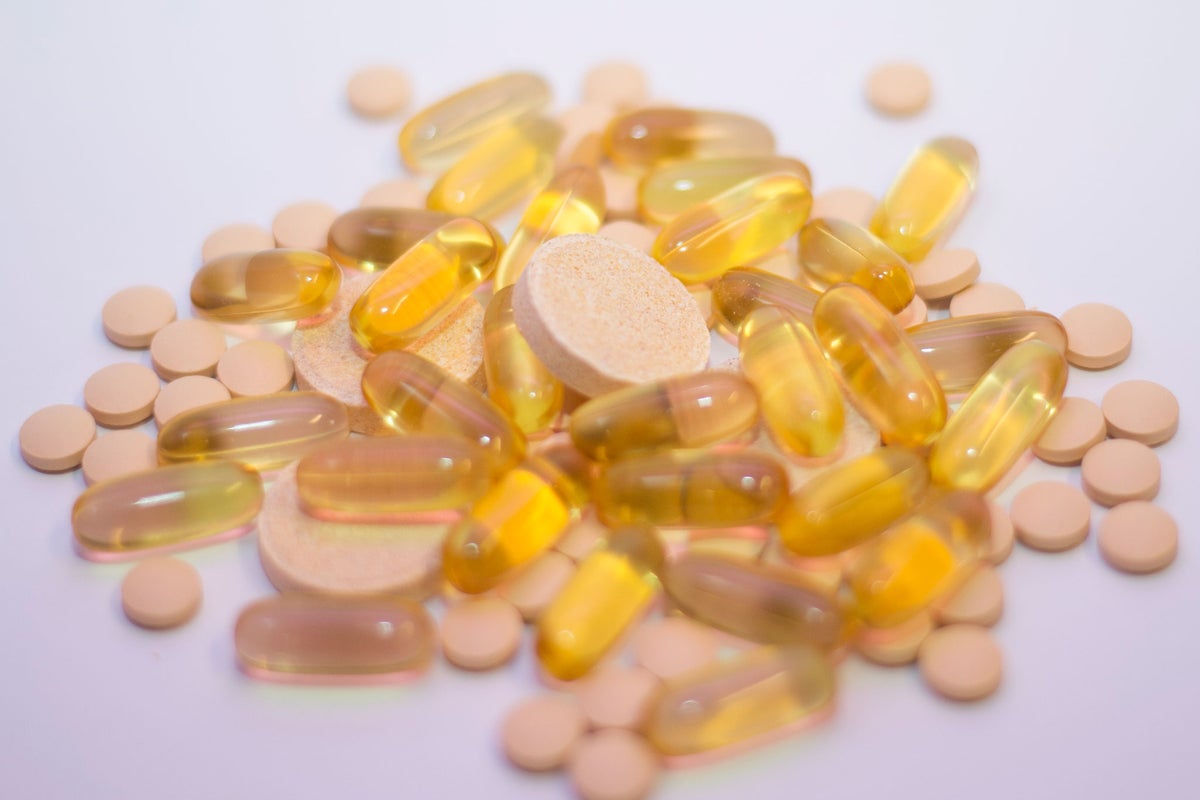
Investigation Finds Discrepancies in Omega-3 Supplement Potency and Pricing
A recent analysis indicates that many 'high strength' omega-3 supplements contain the same amount of active ingredients as cheaper alternatives. Consumers are often paying significantly higher prices for products that do not offer increased nutritional value.
An investigation into the dietary supplement market has revealed that the labeling of 'high strength' on omega-3 products does not always correlate with a higher concentration of active ingredients. The report highlights that consumers frequently pay a premium for these products, despite them containing no more omega-3 fatty acids than standard, lower-priced versions of the same supplements.
The findings suggest a potential lack of transparency in how supplement manufacturers market their products to health-conscious buyers. By using terms like 'high strength' or 'concentrated,' companies may lead consumers to believe they are purchasing a superior product that justifies a higher price point. However, the actual chemical content often remains identical to cheaper options on the shelf.
This discrepancy raises questions regarding industry standards and consumer protection. While the supplements themselves are not necessarily harmful, the marketing practices appear to exploit consumer assumptions about product quality and potency. Experts suggest that shoppers should look past marketing buzzwords and instead compare the actual milligram content of EPA and DHA listed on the back of the packaging to ensure they are getting the best value for their money. As of now, there is no indication that these companies are breaking laws, but the report underscores a significant gap between consumer expectations and the reality of supplement labeling.
📡 Media Analysis
How each outlet framed the story — angles, word choices, and what they chose to push or ignore.
Focused on the financial exploitation of consumers through misleading marketing tactics.
"surprisingly low amounts"
✓ Only outlet to report: Highlighted that consumers are paying double the price for identical active ingredient levels.
⚡ Where Sources Disagree
- ·Whether the 'high strength' label is intentionally misleading or simply a result of varying industry definitions for potency.
🔍 What Nobody's Reporting
- ·Lack of comment or defense from the supplement manufacturers mentioned in the report.
- ·Absence of regulatory body perspectives on current labeling laws for dietary supplements.
📰 Sources
0 A-rated source(s) among 1 total. Lowest trust: The Independent (B)