
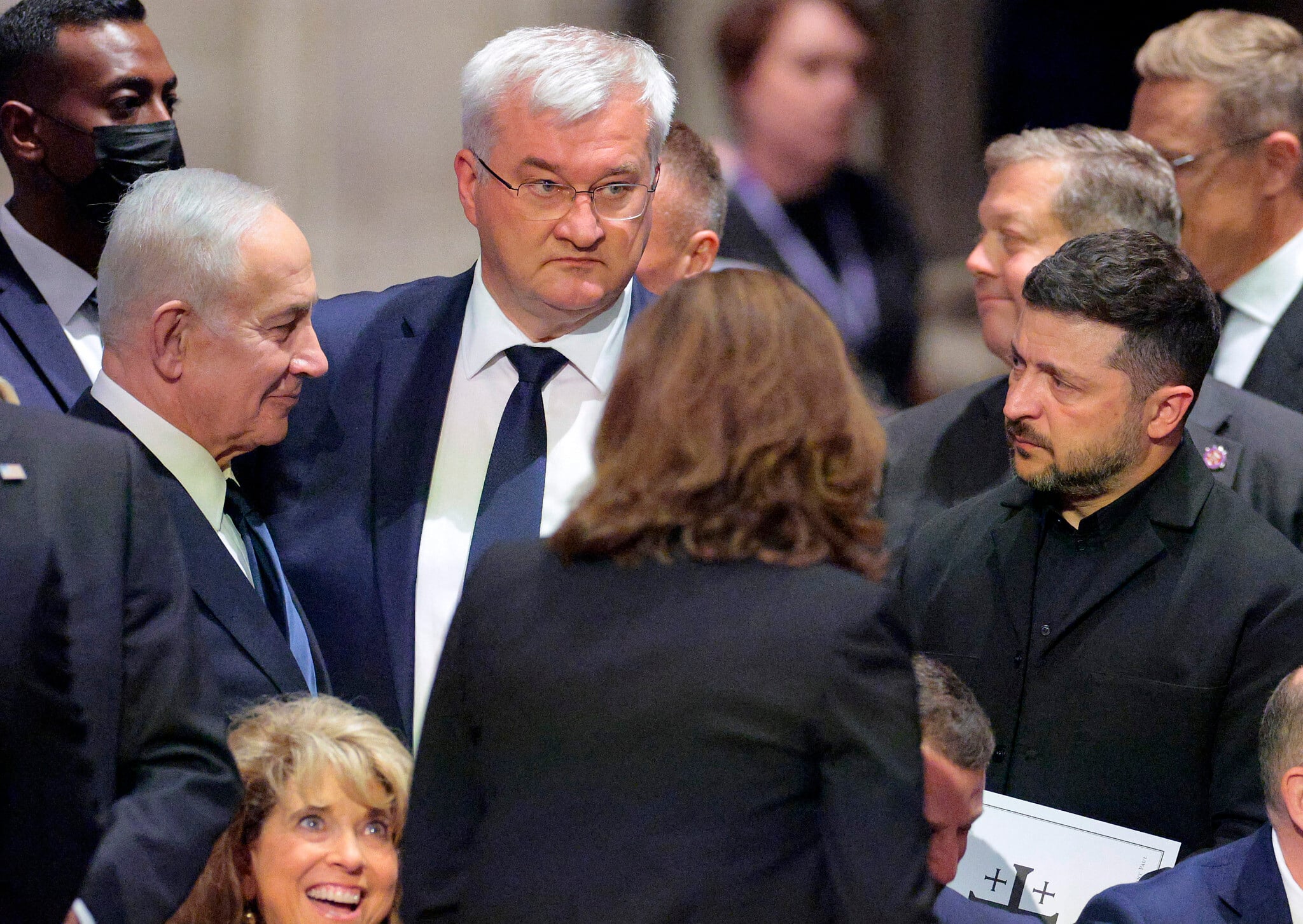
Israel maintains cautious stance on military cooperation with Ukraine
Despite shared strategic interests regarding Iran and Russia, Israel continues to limit its military support for Ukraine. Prime Minister Benjamin Netanyahu remains hesitant to deepen formal cooperation between the two nations.
Prime Minister Benjamin Netanyahu is facing scrutiny over his administration's decision to maintain a distance from Ukraine, despite the two nations sharing common strategic concerns. Both Israel and Ukraine are currently engaged in conflicts involving the Iran-Russia axis, a reality that has led some analysts to suggest that increased cooperation—particularly in the realm of drone defense technology—would be mutually beneficial.
However, the Israeli government has largely declined to move closer to Kyiv. While there is clear overlap in the threats both countries face, Netanyahu has prioritized maintaining a delicate balance in Israel's foreign policy. This approach has resulted in a policy of limited engagement, leaving many observers to question why Israel is not more actively aligning with a fellow democracy facing similar adversaries. The Times of Israel notes that while the potential for cooperation exists, the current political climate in Washington and Jerusalem suggests that a significant shift in policy is unlikely in the near term. The reluctance to provide more robust support appears to be a calculated move to avoid escalating tensions with Moscow, which maintains a significant military presence in Syria, a region critical to Israeli national security interests.
📡 Media Analysis
How each outlet framed the story — angles, word choices, and what they chose to push or ignore.
Framed Israel's caution as a missed strategic opportunity to counter a shared enemy.
"freezes out ally"
✓ Only outlet to report: Identified the specific strategic link between the Iran-Russia axis and the potential for drone defense cooperation.
🔍 What Nobody's Reporting
- ·Lack of official comment or justification from the Israeli Prime Minister's office regarding the specific reasons for the policy.
- ·Absence of perspective from the Ukrainian government on their expectations for Israeli support.
📰 Sources
0 A-rated source(s) among 1 total. Lowest trust: Times of Israel (B)