
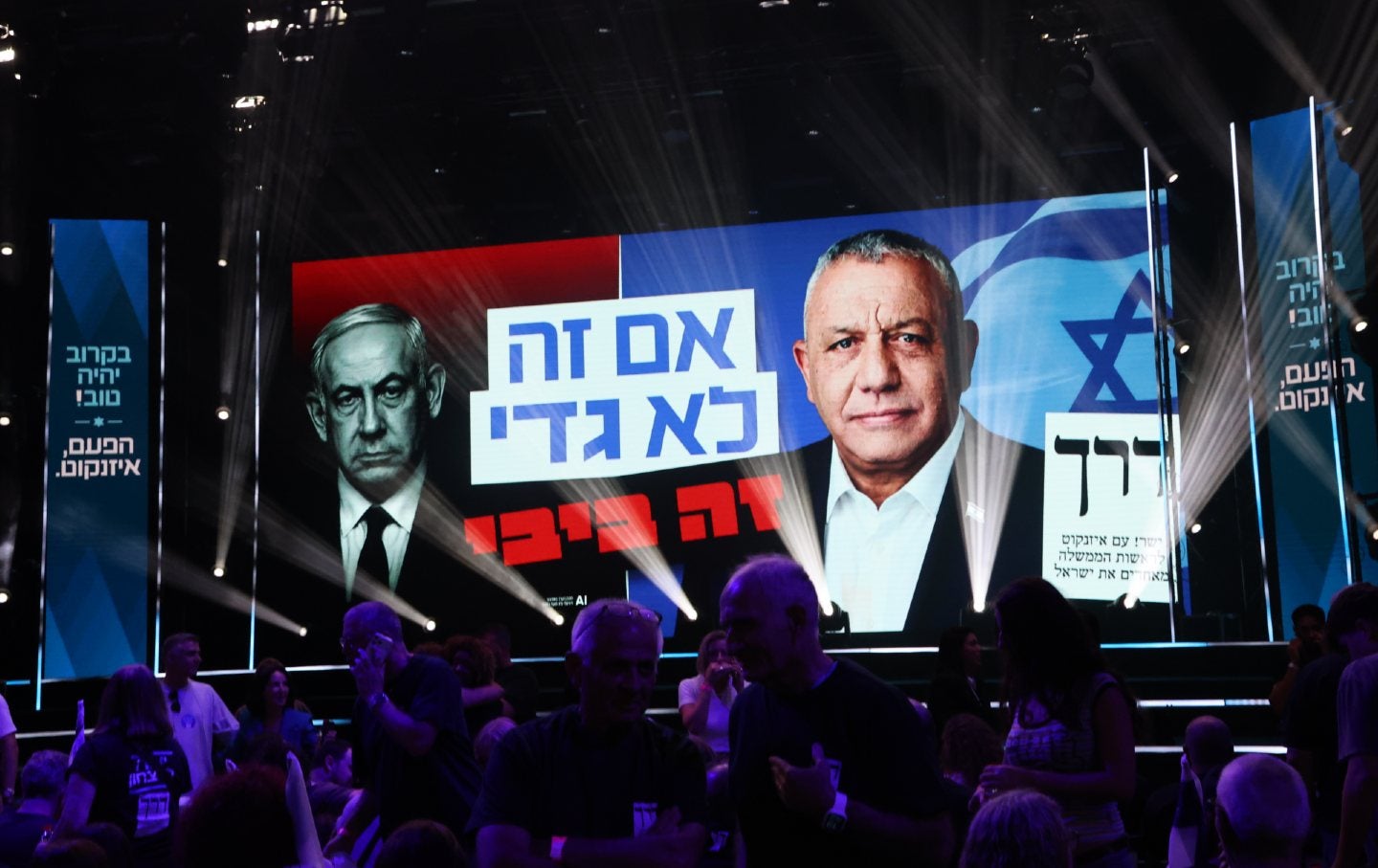
Israeli Political Landscape Faces Questions Regarding Future Policy Direction
As Israeli elections approach, political analysts are debating whether a change in leadership would result in a fundamental shift in national policy. The discussion centers on whether the current political framework is driven by specific individuals or deeper systemic ideologies.
The upcoming Israeli elections have prompted significant discussion regarding the country's long-term political trajectory, particularly concerning the Palestinian issue. A central point of debate among political observers is whether the potential defeat of Prime Minister Benjamin Netanyahu would lead to a substantive change in Israeli policy or merely a change in the personnel overseeing existing strategies.
Some analysts argue that the current political climate is heavily influenced by a combination of military leadership and ideological factions, often described as 'fanatics' by critics of the current administration. From this perspective, the structural policies regarding the occupation and regional security are deeply entrenched, suggesting that a change in the Prime Minister’s office might not alter the fundamental approach to the Palestinian question. Conversely, other political commentators suggest that the electoral process provides a necessary mechanism for public accountability and that a change in leadership is a prerequisite for any potential shift in diplomatic or domestic policy.
While there is broad agreement that the elections are a pivotal moment for the nation, sources differ on the potential for reform. Some outlets emphasize that the influence of military figures and hardline ideological groups creates a political environment where policy shifts are unlikely regardless of the election outcome. Others maintain that the democratic process remains the primary vehicle for challenging the status quo, even if the immediate impact on policy remains uncertain. The debate remains focused on whether the current challenges are a product of Netanyahu’s specific governance or a reflection of broader, systemic consensus within the Israeli political establishment.
📡 Media Analysis
How each outlet framed the story — angles, word choices, and what they chose to push or ignore.
Framed the election as a choice between different managers of an inherently flawed system.
"Fanatics, Generals, and the Question of Palestine"
✓ Only outlet to report: Explicitly linked the electoral outcome to the structural persistence of the Palestinian issue.
⚡ Where Sources Disagree
- ·Whether the election outcome is capable of producing substantive policy change or is merely a change in leadership personnel.
🔍 What Nobody's Reporting
- ·Lack of perspective from the current administration or right-leaning political analysts regarding their own policy goals.
- ·Absence of data or polling information regarding what the Israeli electorate actually prioritizes in this election cycle.
📰 Sources
0 A-rated source(s) among 1 total. Lowest trust: The Nation (B)