
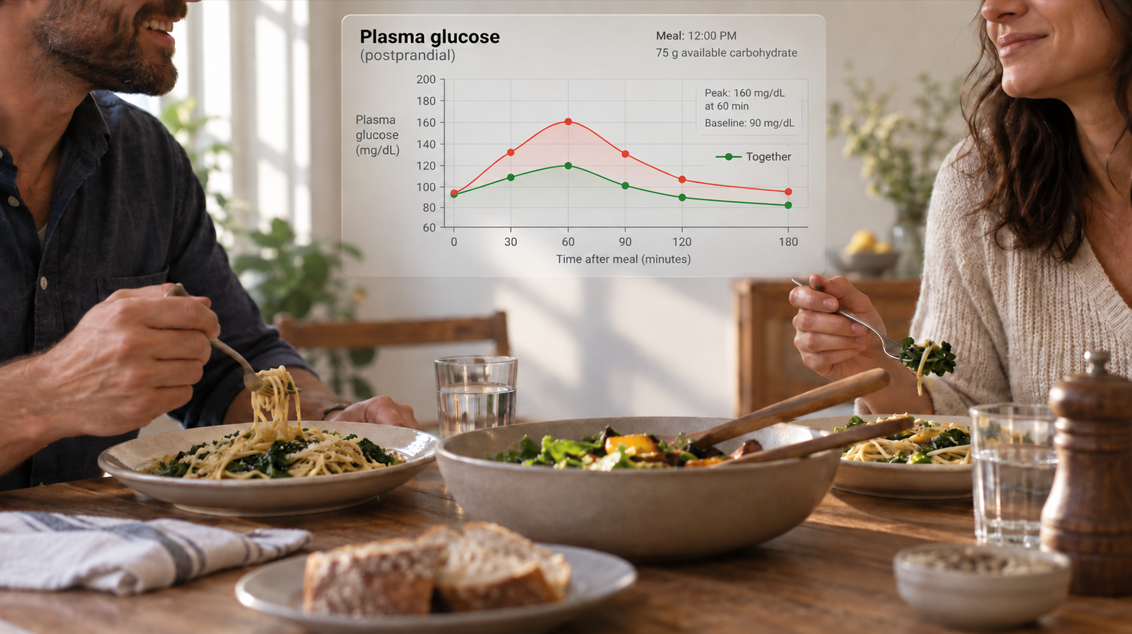
Israeli Study Finds Social Dining Linked to Lower Blood Glucose Levels
Researchers from the Hebrew University of Jerusalem and Sheba Medical Center have identified a correlation between eating with loved ones and improved blood glucose regulation. The study suggests that social bonding may play a role in managing metabolic conditions like diabetes.
A recent study conducted by researchers at the Hebrew University of Jerusalem and the Sheba Medical Center indicates that the social environment in which an individual eats can influence their physiological health. The findings suggest that dining with loved ones is associated with lower blood glucose levels compared to eating alone or in less supportive social settings.
While the study does not claim that social interaction is a replacement for medical treatment, it highlights the potential for human bonding to assist in the management of basic bodily functions. The researchers believe these results could offer new avenues for supporting patients with diabetes and other metabolic conditions. By focusing on the psychological and social aspects of nutrition, the study suggests that the context of a meal is as important as the nutritional content itself. The research team intends to further explore how these social dynamics impact long-term metabolic health, though the current report focuses primarily on the immediate physiological benefits observed during social dining experiences.
📡 Media Analysis
How each outlet framed the story — angles, word choices, and what they chose to push or ignore.
Highlighted the potential medical applications of a social-behavioral study.
"human bonding helps basic body functions"
✓ Only outlet to report: Identified the specific institutions involved: Hebrew University of Jerusalem and Sheba Medical Center.
🔍 What Nobody's Reporting
- ·The study's methodology, such as sample size and participant demographics, was not disclosed.
- ·Lack of information regarding the specific mechanisms or hormones that link social bonding to glucose regulation.
📰 Sources
0 A-rated source(s) among 1 total. Lowest trust: Times of Israel (B)