
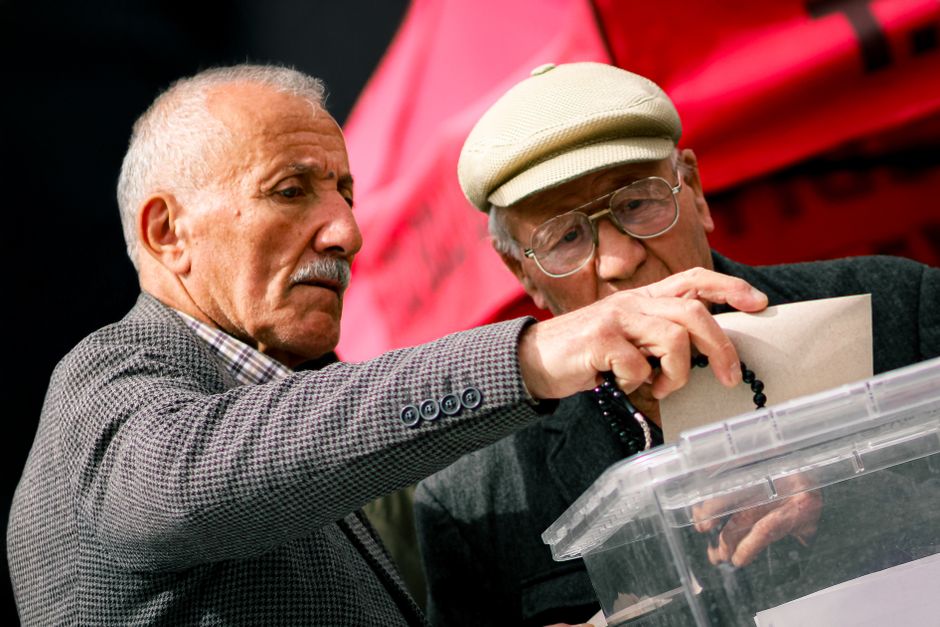
Israeli Voter Turnout Reaches 53-Year High During Election Day
Israeli election turnout reached 45 percent midway through the day, marking the highest participation level since 1973. Analysts are currently debating how this surge in voter engagement will impact the final parliamentary seat distribution.
As of midday, Israeli election officials reported that 45 percent of eligible voters had cast their ballots. This figure represents the highest turnout rate for a mid-day update since 1973, signaling high levels of civic engagement across the country.
Political analysts are divided on the implications of this high turnout for Prime Minister Benjamin Netanyahu’s coalition. Axios reports that the surge in participation could potentially push smaller parties within Netanyahu’s political bloc below the electoral threshold, which would complicate his path to securing a 61-seat majority in the Knesset. Conversely, the increased turnout is also being observed within Arab minority communities, which could result in a record number of parliamentary seats for those parties.
There is disagreement regarding the motivation behind the turnout. While the high numbers suggest a highly mobilized electorate, there is no consensus on which specific political factions are benefiting most from the surge. Furthermore, the campaign environment remains tense, with reports of Prime Minister Netanyahu utilizing aggressive rhetoric to mobilize his base, a tactic that has been a consistent feature of his previous election strategies. The final outcome remains uncertain as polling stations continue to process voters throughout the remainder of the day.
📡 Media Analysis
How each outlet framed the story — angles, word choices, and what they chose to push or ignore.
Focused on how the high turnout specifically threatens Netanyahu's path to a parliamentary majority.
"bad news for Benjamin Netanyahu"
✓ Only outlet to report: Reported that Netanyahu made false claims about Arab voters to energize his base.
⚡ Where Sources Disagree
- ·Whether high turnout is inherently detrimental to the incumbent's coalition or if it reflects a broader, non-partisan increase in civic participation.
🔍 What Nobody's Reporting
- ·Lack of data regarding the specific turnout numbers or motivations of the right-wing voting bloc.
- ·Absence of commentary or statements from opposition party representatives regarding the turnout surge.
📰 Sources
0 A-rated source(s) among 1 total. Lowest trust: Axios (B)