
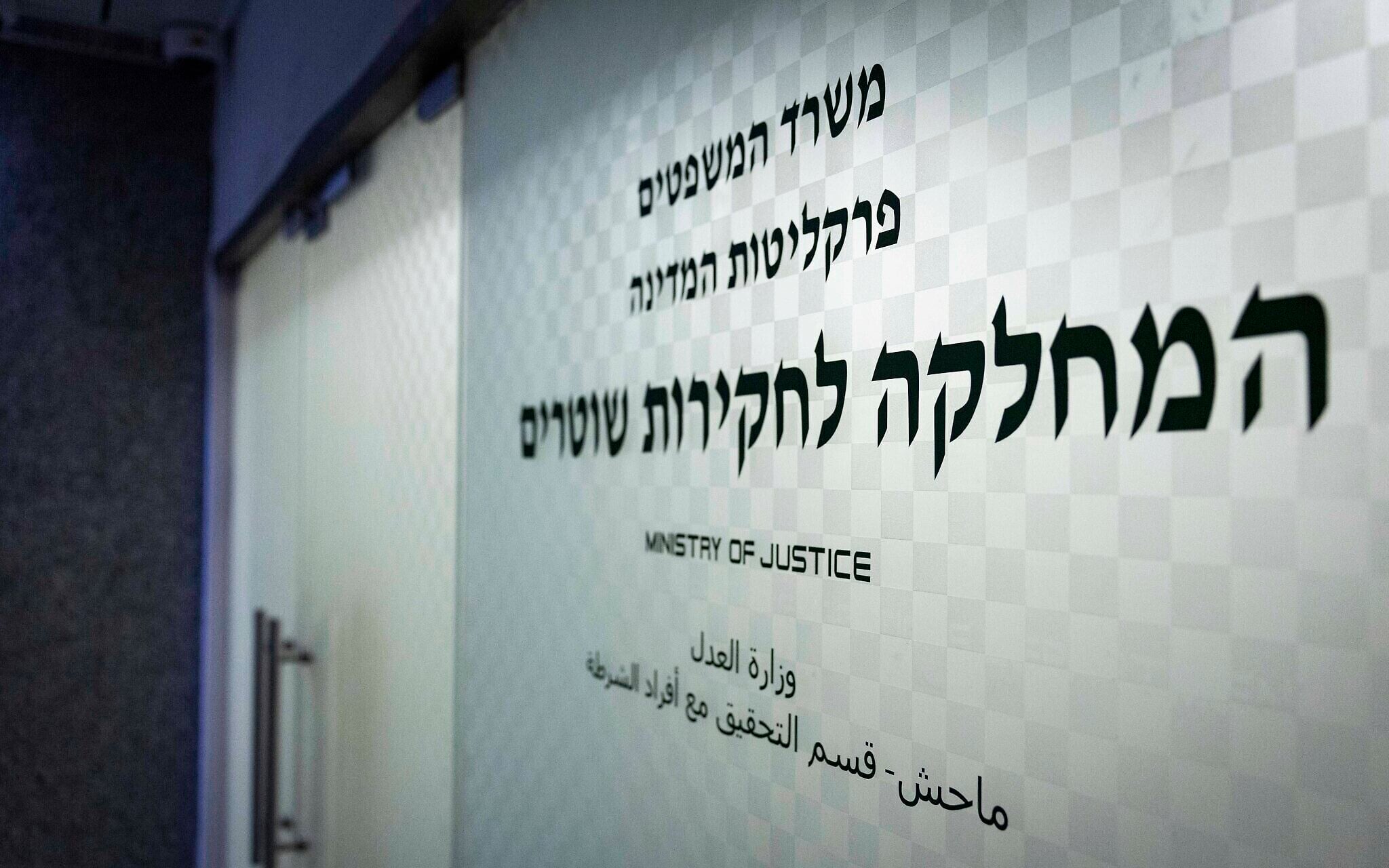
Israel's High Court Extends Freeze on New Police Investigations Unit Law
The Israeli High Court of Justice has prolonged a temporary injunction blocking the implementation of a law concerning the Department of Internal Police Investigations (DIPI). The move has sparked a sharp disagreement between the Justice Minister and the petitioners who sought the court's intervention.
The Israeli High Court of Justice has officially extended a freeze on the implementation of a controversial law aimed at restructuring the Department of Internal Police Investigations (DIPI). The court's decision maintains the status quo while legal challenges against the legislation continue to be processed.
This legal battle has created a clear divide between the executive and judicial branches. Justice Minister Yariv Levin has publicly criticized the court’s intervention, arguing that the judges are attempting to protect an ineffective system. Levin contends that the DIPI has failed in its duties and that the new law is a necessary step toward reform and accountability within the police force.
Conversely, the petitioners who brought the case to the High Court view the judicial freeze as a vital safeguard. They argue that the legislation threatens the independence of the law-enforcement system and that the court's decision is essential to prevent the politicization of investigations into police conduct. While the government maintains that the law is a matter of administrative efficiency, the petitioners insist that the current legal structure is the only thing preventing executive overreach. The court has not yet set a date for a final ruling on the matter, leaving the future of the DIPI's organizational structure in a state of legal limbo.
📡 Media Analysis
How each outlet framed the story — angles, word choices, and what they chose to push or ignore.
Balanced the government's frustration with the petitioners' concerns about institutional independence.
"rails at judges"
⚡ Where Sources Disagree
- ·Whether the DIPI is a 'failed' institution needing reform or a system that requires protection from political interference.
🔍 What Nobody's Reporting
- ·Lack of specific details regarding the actual provisions of the law being frozen.
- ·No explanation of the specific legal arguments presented by the petitioners to the court.
📰 Sources
0 A-rated source(s) among 1 total. Lowest trust: Times of Israel (B)