
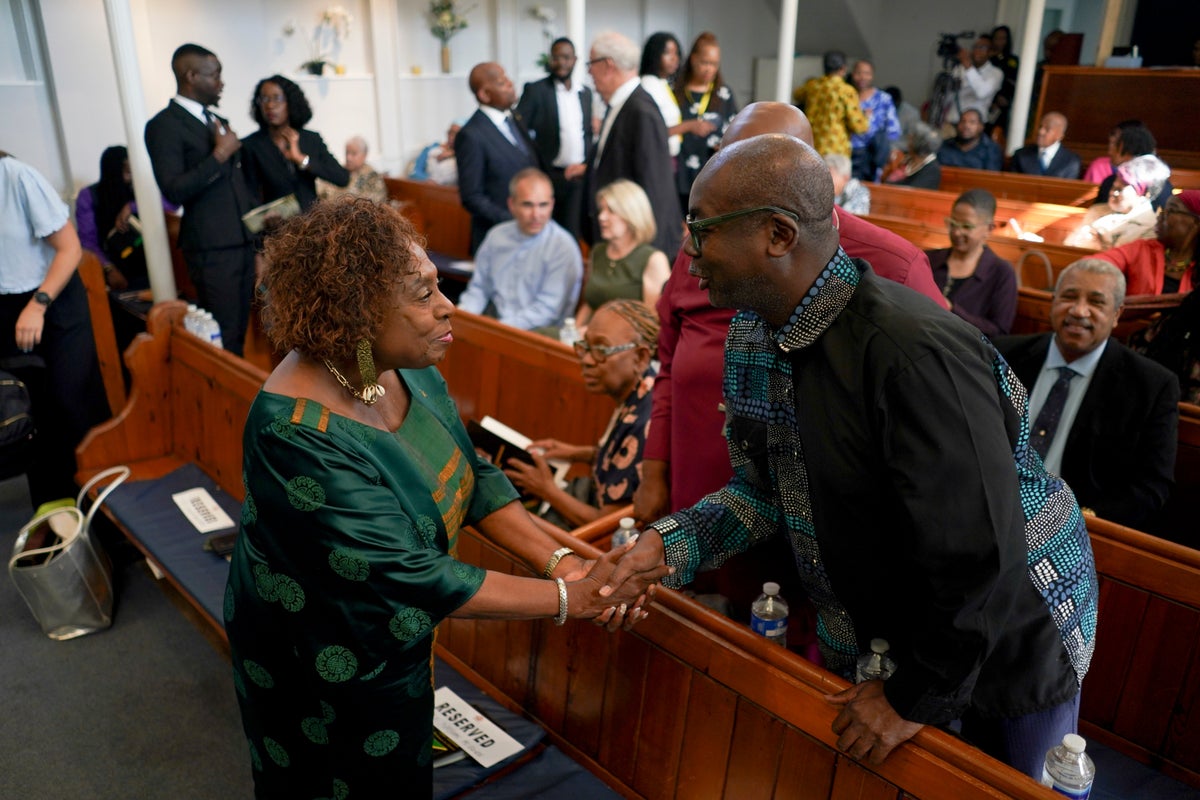
Jamaica formally requests reparations from Britain for historical role in slavery
The Jamaican government has initiated a formal process to seek reparations from the United Kingdom for its historical involvement in the trans-Atlantic slave trade. The request has been directed toward King Charles III as the nation continues to address the legacy of colonial-era enslavement.
The government of Jamaica has officially moved to seek financial and moral reparations from the British state for its role in the trans-Atlantic slave trade. This effort represents a significant escalation in the ongoing international dialogue regarding historical justice and the economic consequences of colonial-era slavery on modern Caribbean nations.
While the specific mechanisms for these reparations remain under discussion, the move is part of a broader regional push by CARICOM nations to hold former colonial powers accountable for the systemic exploitation of enslaved people. Proponents of the reparations claim argue that the wealth generated by the slave trade laid the foundation for British economic prosperity, while simultaneously creating generational poverty and social instability in Jamaica.
Critics of the reparations movement, often represented by British government officials and conservative commentators, frequently argue that modern taxpayers should not be held financially responsible for the actions of their ancestors. They often emphasize that the UK abolished the slave trade in 1807 and slavery itself in 1833, suggesting that focus should remain on current development aid rather than historical compensation. The Independent notes that the appeal is being directed to King Charles III, highlighting the symbolic importance of the British monarchy in this historical narrative. As the situation develops, the primary point of contention remains whether historical grievances can or should be settled through modern financial transfers, a debate that continues to divide political and academic circles in both nations.
📡 Media Analysis
How each outlet framed the story — angles, word choices, and what they chose to push or ignore.
Framed the request as a direct appeal to the monarchy to address historical wrongs.
"pushing for Britain to pay"
⚡ Where Sources Disagree
- ·Whether modern British taxpayers bear moral or financial responsibility for the actions of the 18th and 19th-century slave trade.
🔍 What Nobody's Reporting
- ·Lack of detail regarding the specific legal or diplomatic mechanisms Jamaica intends to use to pursue these claims.
- ·Absence of a formal response or statement from the British government regarding this specific request.
📰 Sources
0 A-rated source(s) among 1 total. Lowest trust: The Independent (B)