
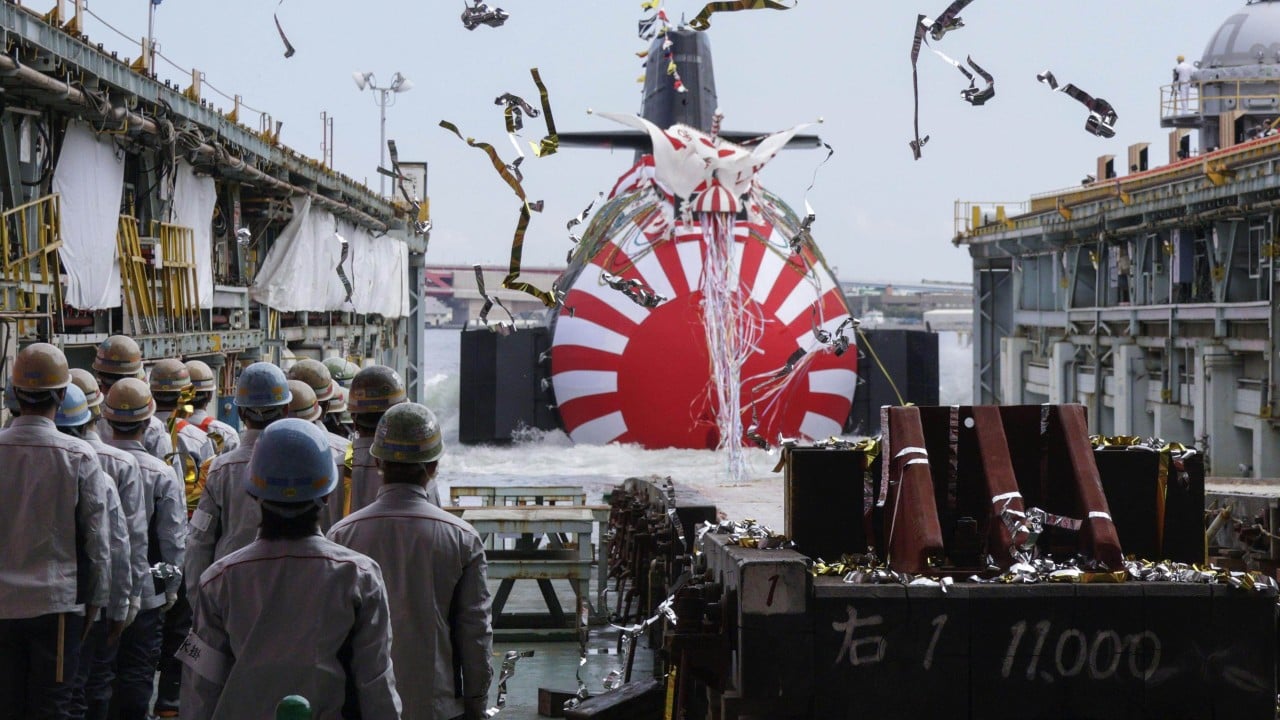
Japan Considers Nuclear-Powered Submarines Amid Rising Regional Tensions
Japanese Prime Minister Sanae Takaichi has announced that the government is seriously considering the acquisition of nuclear-powered submarines. The proposal, which marks a shift from long-standing defense norms, has sparked internal debate within the ruling coalition as Japan prepares to update its core security strategy.
Japanese Prime Minister Sanae Takaichi recently signaled a potential shift in the nation’s naval defense policy by confirming that the government is evaluating the feasibility of acquiring nuclear-powered submarines. Speaking before parliament on October 14, Takaichi stated that the administration would examine the option in a "concrete and realistic manner." This development comes as Japan faces increasing pressure to bolster its maritime capabilities in response to China’s expanding naval presence in the Pacific.
For decades, the prospect of Japan operating nuclear-powered vessels has been considered a taboo subject due to the country’s post-war pacifist stance and its unique historical relationship with nuclear technology. While the government views this as a necessary strategic evolution to maintain regional security, the proposal has not received universal support. The ruling coalition is currently divided over the move, with internal factions debating the political and security implications of such a significant departure from established policy.
As Tokyo prepares to finalize revisions to its core security documents by the end of the year, the submarine debate has become a focal point of national security discussions. Proponents argue that nuclear-powered submarines offer superior endurance and stealth compared to conventional diesel-electric models, which are currently the backbone of the Maritime Self-Defence Force. Critics, however, remain concerned about the potential for regional escalation and the domestic political fallout associated with abandoning long-held defense restrictions. The government has not yet provided a timeline for a final decision, but the ongoing review of security documents suggests that the issue will remain a central topic in Japanese defense policy through the end of the year.
📡 Media Analysis
How each outlet framed the story — angles, word choices, and what they chose to push or ignore.
Framed the potential policy shift as a pragmatic response to regional geopolitical pressure.
"flexing its naval power"
🔍 What Nobody's Reporting
- ·Lack of specific arguments from the opposition or dissenting members within the ruling coalition.
- ·No mention of potential reactions from neighboring countries other than China.
- ·Absence of technical or budgetary estimates for such a massive naval procurement.
📰 Sources
0 A-rated source(s) among 1 total. Lowest trust: SCMP (B)